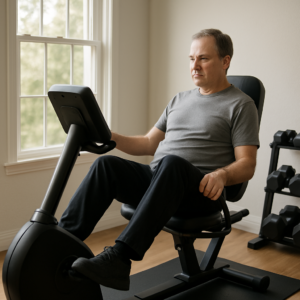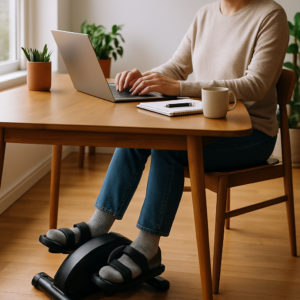


You know that feeling — you squat down to grab something off the bottom shelf, stand back up, and suddenly your knee sends you a sharp little reminder that it’s not happy. Or maybe it’s the end of a long day on your feet and that familiar ache has settled in right behind your kneecap. If any of that sounds familiar, you’re in very good company. Knee discomfort is one of the most common complaints I hear, and the great news is that there’s a lot you can do right now to prevent knee pain before it becomes something that really slows you down.
Why Your Knees Deserve More Attention Than You’re Giving Them
Here’s the thing about knees — they’re asked to do an enormous amount of work every single day. Every time you climb stairs, take a walk, stand up from your desk, or exercise, your knees are absorbing force, stabilizing your movement, and keeping you upright. The knee joint is actually one of the most complex joints in your body, supported by ligaments, tendons, cartilage, and a whole network of surrounding muscles. When any one of those pieces isn’t functioning well, the whole system feels it.
The tricky part is that most knee problems don’t happen overnight. They build up gradually through repetitive stress, muscle imbalances, poor movement patterns, or simply the wear that comes with an active life. That’s actually encouraging news — because gradual problems can often be addressed gradually, with consistent daily habits that support your joint health over time.
Daily Habits That May Help Prevent Knee Pain
1. Strengthen the Muscles Around Your Knee
Your knee joint itself doesn’t have a lot of muscle attached directly to it — instead, it relies on the muscles of your thighs, hips, and calves to do the heavy lifting. When your quadriceps, hamstrings, and glutes are strong, they absorb a significant amount of the load that would otherwise go straight into your joint. Research suggests that targeted strengthening exercises — like squats, lunges, step-ups, and bridges — may help reduce the stress placed on the knee and improve overall stability. If you’re just starting out, bodyweight exercises are a perfectly good place to begin.
2. Warm Up Before Activity and Stretch After
I can’t tell you how many people skip their warm-up and then wonder why their knees ache during a run or workout. Cold muscles and connective tissue are less pliable and far more susceptible to strain. Even five to ten minutes of light movement — walking, leg swings, or gentle cycling — can make a meaningful difference in how your knees respond to exercise. After your activity, spending time on your hip flexors, hamstrings, calves, and IT band may help reduce tension that often transfers directly to the knee.
3. Pay Attention to Your Movement Patterns
How you move matters just as much as how much you move. When you squat or bend, are your knees caving inward? Are you landing heavily on one side when you walk? Small movement inefficiencies, repeated hundreds of times a day, can add up to significant wear on your joint over time. Slowing down, focusing on form, and occasionally checking in with a physical therapist or trainer can go a long way toward protecting your knees in the long run.
4. Manage Your Weight and Stay Hydrated
Research consistently suggests that excess body weight places additional load on the knee joint — some estimates indicate that every pound of body weight translates to roughly four pounds of pressure on the knees during walking. Even modest weight management efforts may have a meaningful impact on knee comfort over time. Staying well hydrated also supports the cartilage in your knees, which has no direct blood supply and depends on fluid movement through the joint to stay nourished and resilient.
5. Don’t Ignore Early Warning Signs
A little soreness after a tough workout is normal. Persistent aching, swelling, clicking that comes with pain, or discomfort that doesn’t resolve with rest are signs worth taking seriously. Catching a problem early almost always means a faster, easier recovery. If something feels off, please don’t push through it — getting a professional opinion sooner rather than later is almost always the better call.
Products Worth Trying: Knee Support That Many People Find Helpful
One thing I recommend to a lot of people — especially those who are active, returning from an injury, or dealing with everyday joint discomfort — is incorporating a quality knee sleeve or brace into their routine. Compression and support won’t fix an underlying problem on their own, but many people find they help reduce discomfort during activity, improve proprioception (your body’s sense of where the joint is in space), and provide a sense of stability that makes movement feel more confident. Here are a few options worth considering:
The Knee Brace I Actually Wear on Long Days—Without the Bulk
If you’re dealing with that sharp pain when you squat or the ache that builds after standing all day, compression support can make an immediate difference—but only if you’ll actually wear it. Most knee braces are either too restrictive or too flimsy to matter; this one splits the difference.
What works
- Compression actually reduces swelling and proprioceptive feedback—the research supports this, and most people notice relief within the first few wears, especially during or after activities that typically trigger pain.
- The neoprene construction stays in place without cutting off circulation or feeling like you’re wearing a tourniquet, which means you can keep it on for hours without the creeping numbness that kills compliance.
- It’s thin enough to wear under jeans or workout gear without looking medical, which removes the psychological barrier that keeps most braces in a drawer.
What doesn’t
- Compression braces are symptom management, not fixes—they help you move better and hurt less, but they don’t address the underlying imbalance or weakness causing the pain in the first place.
- If your pain is from structural damage (meniscus tears, cartilage loss) or if movement itself is severely limited, a brace alone won’t be enough; you’ll need physical therapy or professional evaluation.
A brace buys you time and comfort while you work on the actual problem—strength, mobility, movement patterns—but it’s not a substitute for that work. Modvel Compression Knee Brace
About This Article

Written by Michael Torres. Michael Torres has had joint problems his whole life — hypermobile as a kid, chronic sprains and a dislocating shoulder through his twenties, an osteoarthritis diagnosis in his early fifties, and a right knee replacement since. He is not a doctor or a physical therapist and has no clinical training. He writes about what has helped him and what he has watched help the people around him, and says plainly when he has not tried something himself. More about this site.
Scope and limits. Michael has no medical or clinical training — he writes about living with his own joint pain, not about treating anyone else's. Nothing here is medical advice. Talk to a doctor before starting anything new, and get seen promptly for pain that is new, severe, worsening, or comes with swelling, fever, or numbness.
Verify this against a primary source
Specifics change, and your situation may differ from the one described here. These are the authorities worth checking directly:
- NIAMS — arthritis and musculoskeletal research from the NIH
- MedlinePlus — plain-language medical reference from the NIH
- Arthritis Foundation — condition guides and treatment overviews