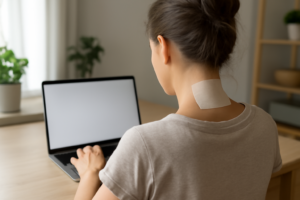


You wake up, swing your legs off the bed, and before you even make it to the coffee maker, there it is — that familiar stiffness radiating up the back of your neck and into the base of your skull. Sound familiar? If you’ve ever wondered why your neck seems to protest every single morning, you’re not alone. Understanding neck pain triggers is one of the most important — and most overlooked — steps toward actually feeling better. Most of the time, the culprits aren’t mysterious medical conditions. They’re the everyday habits, postures, and patterns we repeat without thinking. And the good news? Once you identify them, you have real power to change things.
The Most Common Neck Pain Triggers You’re Probably Ignoring
As someone who’s spent years helping people work through joint and muscle pain, I can tell you that the vast majority of neck pain cases trace back to a handful of very predictable sources. Let’s walk through them honestly.
Forward Head Posture and Screen Time
For every inch your head drifts forward from its neutral position, the effective weight your cervical spine has to support increases dramatically — research suggests it can feel like an extra 10 pounds of pressure per inch. Now think about how you hold your phone, hunch over a laptop, or lean toward your TV. Most of us are doing this for hours every single day. Over time, the muscles at the back of your neck — especially the suboccipital muscles right at the base of your skull — become chronically overloaded. This is one of the most underrated neck pain triggers in modern life, and it’s almost entirely fixable with awareness and intentional positioning.
Sleeping Position and Pillow Support
Sleeping on your stomach forces your neck into a prolonged rotation that can leave you stiff and sore by morning. Even side sleeping without adequate pillow support can allow your neck to drop out of alignment for hours at a time. Many people find that switching to a supportive cervical pillow and focusing on back or side sleeping with proper head support makes a noticeable difference within just a few weeks.
Stress and Muscle Tension
Stress is sneaky. When we’re anxious, overwhelmed, or just mentally fried, we tend to brace — shoulders creep toward the ears, the jaw tightens, and the neck muscles go into a constant low-grade clench. Over time, this creates trigger points, those tight, tender knots that refer pain upward into the head and outward into the shoulders. If your neck pain reliably gets worse during stressful weeks, this is likely a major contributing factor for you.
Dehydration and Diet
The intervertebral discs in your cervical spine are largely made of water. Chronic dehydration may contribute to disc compression and reduced cushioning between vertebrae. Some people also notice that certain dietary patterns — high in processed foods, alcohol, or inflammatory ingredients — seem to correlate with increased neck stiffness and headaches. While the research is still evolving, staying well-hydrated and eating an anti-inflammatory diet is a reasonable and low-risk strategy worth trying.
Lack of Movement and Prolonged Static Positions
Sitting in one position for too long — even a “good” position — reduces circulation, stiffens the joints, and fatigues the muscles that support your cervical spine. Movement is literally medicine for your neck. Setting a timer to move and gently stretch every 45–60 minutes can be surprisingly effective at breaking the cycle of tension before it builds into pain.
Daily Habits That May Help You Avoid Flare-Ups
Knowing the triggers is one thing. Building the daily habits that counteract them is where real progress happens. Here are some practical adjustments that many people find genuinely helpful:
- Raise your screen to eye level. Whether it’s a monitor riser, a stack of books, or a laptop stand, getting your screen up so you’re not looking down is one of the single most impactful changes you can make.
- Do a daily chin tuck series. Gently drawing your chin straight back (not down) creates a light traction effect through the cervical spine and strengthens the deep neck flexors. Ten repetitions, two or three times a day, is a simple place to start.
- Apply heat before activity, cold after. Many people find that gentle moist heat loosens tight muscles before stretching or exercise, while cold therapy after activity or during a flare-up may help reduce discomfort.
- Practice diaphragmatic breathing. Slow, deep belly breathing activates the parasympathetic nervous system and can help release the chronic upper trapezius and neck tension that comes with stress.
- Stay hydrated consistently throughout the day — not just when you’re thirsty.
Products Worth Trying for Neck Pain and Tension Headache Relief
I want to be clear — none of these products are cures, and they work best as part of a broader self-care routine. That said, many people find real comfort in having the right tools on hand, especially when neck tension starts creeping into head pain. Here are a few options I think are worth a look.
Cold Therapy for Morning Neck Stiffness: When Ice Actually Helps
Morning neck stiffness often responds well to cold therapy in the first 20-30 minutes after waking — it reduces inflammation and can quiet down that radiating tension before it locks in for the day. A targeted cold cap designed for the neck and base of skull hits the exact area most people struggle with, without the mess of ice packs or the need to drape yourself in a towel.
What works
- Cold application in the first 30 minutes of waking can reduce inflammatory swelling in stiff joints — the research supports this, and most people notice a real difference in range of motion within 5-10 minutes.
- A wearable cap keeps your hands free and delivers consistent cold directly to the neck and base of skull without requiring you to hold an ice pack or deal with dripping water.
- Unlike oral pain relievers, cold therapy addresses the mechanism (inflammation and muscle tension) rather than just masking the symptom — so you’re actually working toward the root issue while you drink your coffee.
What doesn’t
- Cold therapy is a symptom manager, not a fix — if your neck pain is triggered by poor posture, a weak upper back, or repetitive strain, the stiffness will return the next morning unless you address those underlying habits.
- Some people have vasomotor sensitivity or nerve issues where cold makes things worse, not better — if you’re one of them, you’ll know within the first use, and this won’t be your tool.
Cold therapy works best as part of a broader strategy (better sleep positioning, breaks from your desk, neck mobility work), not as a standalone solution. If you’re dealing with consistent morning stiffness, TheraICE Migraine Relief Cap can give you that initial relief window to actually move and function before pain sets in.
About This Article

Written by Michael Torres. Michael Torres has had joint problems his whole life — hypermobile as a kid, chronic sprains and a dislocating shoulder through his twenties, an osteoarthritis diagnosis in his early fifties, and a right knee replacement since. He is not a doctor or a physical therapist and has no clinical training. He writes about what has helped him and what he has watched help the people around him, and says plainly when he has not tried something himself. More about this site.
Scope and limits. Michael has no medical or clinical training — he writes about living with his own joint pain, not about treating anyone else's. Nothing here is medical advice. Talk to a doctor before starting anything new, and get seen promptly for pain that is new, severe, worsening, or comes with swelling, fever, or numbness.
Verify this against a primary source
Specifics change, and your situation may differ from the one described here. These are the authorities worth checking directly:
- NIAMS — arthritis and musculoskeletal research from the NIH
- MedlinePlus — plain-language medical reference from the NIH
- Arthritis Foundation — condition guides and treatment overviews