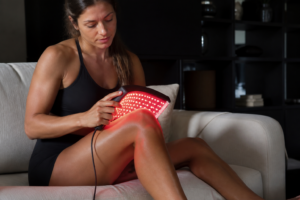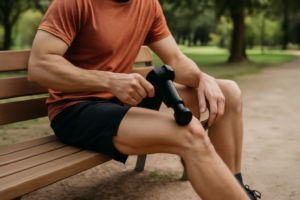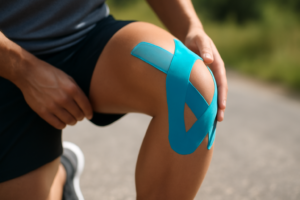


You know that moment — you wake up after a tough workout or a long day on your feet, and before you even get out of bed, your knees, shoulders, or hips are already announcing themselves. Maybe you’ve been dealing with chronic joint discomfort for months, or maybe a recent strain has you limping through your mornings. Either way, you’re looking for something that actually works without immediately reaching for a bottle of ibuprofen. That’s exactly where drug-free joint pain relief comes in — and I want to walk you through four methods that genuinely help many people feel better, move better, and recover faster.
Why Consider Drug-Free Joint Pain Relief in the First Place?
I’m not here to tell you that medication is always wrong — there’s absolutely a time and place for it, and your doctor knows your situation best. But many of the friends I help, especially active adults and weekend warriors, prefer to explore non-pharmacological options first. Over-the-counter pain relievers can mask symptoms without addressing the underlying issue, and long-term use comes with its own set of concerns. The good news is that research increasingly supports hands-on, physical approaches to managing joint discomfort — approaches you can use at home, on your schedule, without a prescription.
4 Proven Methods for Drug-Free Joint Pain Relief
1. Electrical Stimulation (TENS Therapy)
If you’ve never tried a TENS unit, this might be the single biggest game-changer you’re missing. TENS stands for Transcutaneous Electrical Nerve Stimulation, and it works by sending low-voltage electrical pulses through electrode pads placed on your skin near the painful area. Research suggests that this process may help interrupt pain signals traveling to the brain and encourage the release of endorphins — your body’s natural pain-fighting chemicals.
I’ve recommended TENS therapy to clients dealing with everything from knee osteoarthritis flare-ups to post-workout shoulder soreness, and many of them report meaningful relief within their first few sessions. The best part? Home TENS devices have become remarkably affordable and user-friendly.
TENS Therapy for Immediate Joint Pain Relief Without Pills
If you need pain relief that works within minutes—not weeks—TENS (transcutaneous electrical nerve stimulation) is one of the few drug-free methods with solid research backing and real-world results. It won’t fix the underlying joint damage, but it can interrupt pain signals long enough to move, sleep, or actually recover without reaching for anti-inflammatories.
What works
- Relief typically starts within the first session—most people feel noticeable pain reduction in 15–30 minutes, making it genuinely useful for acute flare-ups or post-workout soreness.
- The research is legitimate: clinical studies show TENS can reduce joint pain signals through the “gate control” mechanism, and it’s commonly prescribed by physical therapists for knee, shoulder, and hip discomfort.
- The TENS 7000 has adjustable intensity and mode settings, so you can dial it in for different joint areas and pain types—not a one-size-fits-all device, which matters when your knee pain feels different from shoulder stiffness.
What doesn’t
- It masks pain rather than healing the joint—once you turn it off, the discomfort can return, so TENS works best alongside actual recovery (rest, physical therapy, addressing the root cause) not instead of it.
- Not everyone responds the same way; some people feel substantial relief, others feel minimal difference, and there’s no way to predict which camp you’ll land in until you try it (though a trial period can help).
TENS is genuinely helpful for acute pain management, but it’s a tool for getting through the day or unlocking movement, not a substitute for addressing why your joints hurt in the first place. If you’re looking for fast, repeatable relief without medication, the TENS 7000 Digital TENS Unit is worth a try.
About This Article

Written by Michael Torres. Michael Torres has had joint problems his whole life — hypermobile as a kid, chronic sprains and a dislocating shoulder through his twenties, an osteoarthritis diagnosis in his early fifties, and a right knee replacement since. He is not a doctor or a physical therapist and has no clinical training. He writes about what has helped him and what he has watched help the people around him, and says plainly when he has not tried something himself. More about this site.
Scope and limits. Michael has no medical or clinical training — he writes about living with his own joint pain, not about treating anyone else's. Nothing here is medical advice. Talk to a doctor before starting anything new, and get seen promptly for pain that is new, severe, worsening, or comes with swelling, fever, or numbness.
Verify this against a primary source
Specifics change, and your situation may differ from the one described here. These are the authorities worth checking directly:
- NIAMS — arthritis and musculoskeletal research from the NIH
- MedlinePlus — plain-language medical reference from the NIH
- Arthritis Foundation — condition guides and treatment overviews