

You wake up, swing your legs over the side of the bed, and the moment your feet hit the floor — there it is. That familiar stiffness in your knees, your hips, or your fingers that makes you want to just sit back down. If that sounds like your mornings, you are absolutely not alone. Millions of people deal with chronic joint discomfort every single day, and the frustrating part is that most conventional advice either feels too intense or too vague to actually help. The good news? There are real, sustainable strategies for low-impact joint pain relief that don’t require a gym membership, a complicated routine, or pushing through serious pain.
Why Low-Impact Movement Is the Foundation of Joint Health
Here is something I wish more people understood early on: rest is not always the answer. I know that sounds counterintuitive when your joints are aching, but staying sedentary for long periods can actually make stiffness and discomfort worse over time. The synovial fluid that lubricates your joints needs movement to circulate properly. When you stay still too long, things get stiff, tight, and cranky.
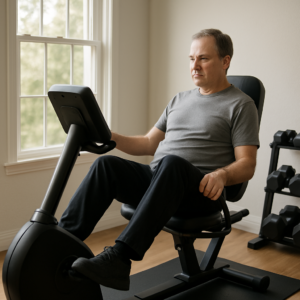
That said, not all movement is created equal. High-impact activities like running on pavement or jumping exercises can put significant stress on already-inflamed joints. That’s where low-impact movement shines. Activities like swimming, walking on softer surfaces, cycling, yoga, and tai chi allow you to keep your body moving without loading your joints with excessive force. Research suggests that regular gentle movement may help reduce inflammation, improve range of motion, and support the muscles that protect your joints.
Even something as simple as a 15-minute walk after dinner or a few gentle stretches in the morning can make a meaningful difference over weeks and months. Consistency matters far more than intensity when it comes to joint health.
Small Daily Habits That Support Achy Joints
Movement is important, but it’s only one piece of the puzzle. How you spend the hours you’re not exercising matters just as much. Here are some practical habits many people find helpful for managing joint discomfort day to day.
Mind Your Sitting Position
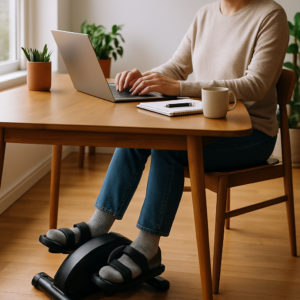
If you work at a desk or spend long hours in a car, the way you sit can significantly affect your hips, lower back, and even your knees. Sitting in a poorly supported position for hours puts uneven pressure on your joints and can contribute to that deep, nagging ache you might feel by afternoon. Elevating or properly cushioning your seat helps distribute your weight more evenly and may reduce strain on the tailbone, coccyx, and surrounding joints.
Use Distraction and Sensory Tools Strategically
This one surprises people, but it’s backed by real science. Research on pain perception shows that redirecting your brain’s attention — even briefly — can reduce the intensity of how pain is experienced. Sensory tools that engage your hands and fingertips can act as a gentle distraction, especially during stressful moments when pain tends to feel amplified. Many people living with chronic pain and conditions like arthritis find that keeping their hands occupied with tactile tools helps them stay calmer and more focused, which in turn can make discomfort feel more manageable.
Stay Hydrated and Support Your Diet
Cartilage is largely made up of water, so chronic dehydration may contribute to joint stiffness and discomfort. Aiming for adequate daily water intake is one of the simplest, most overlooked joint health habits. Additionally, many people find that an anti-inflammatory diet rich in omega-3 fatty acids, colorful vegetables, and whole grains supports how their joints feel over time.
Low-Impact Joint Pain Relief: Products Worth Trying
I always say that your environment should work for your body, not against it. Here are a few products that may support your comfort and complement your low-impact routine.
The Cushion That Actually Reduces Morning Stiffness When You’re Sitting Most of the Day
If your mornings are stiff but your days are spent at a desk or in a chair, you’re fighting joint pain on two fronts: limited movement at night, and prolonged static positioning during work. A high-quality memory foam seat cushion addresses the second half of that equation by reducing pressure on your hips, knees, and lower back while you sit — which means less compensation stress on your joints throughout the day.
What works
- Memory foam distributes weight more evenly than a flat chair, reducing peak pressure points on the hips and tailbone that can trigger referred pain in knees and lower back.
- Most people notice reduced afternoon stiffness and end-of-day soreness within 2–3 weeks of consistent use, especially if sitting is unavoidable in your routine.
- A cushion with a non-slip base and breathable cover actually stays in place and doesn’t turn into a sweat trap by hour four — which matters if you’re using it daily.
What doesn’t
- A cushion won’t fix your morning stiffness on its own — that still requires movement, stretching, or other habits. It only addresses the sitting-all-day part of the problem.
- If you have severe hip or sacroiliac joint pain, a cushion alone often isn’t enough; you’ll likely need posture work, physical therapy, or medical evaluation alongside it.
This is a tool that works best when paired with movement — don’t expect a cushion to replace stretching, strengthening, or the habits that actually reverse joint stiffness. Benazcap Memory Foam Seat Cushion, Ergonomic Office Chair Cushion
About This Article

Written by Michael Torres. Michael Torres has had joint problems his whole life — hypermobile as a kid, chronic sprains and a dislocating shoulder through his twenties, an osteoarthritis diagnosis in his early fifties, and a right knee replacement since. He is not a doctor or a physical therapist and has no clinical training. He writes about what has helped him and what he has watched help the people around him, and says plainly when he has not tried something himself. More about this site.
Scope and limits. Michael has no medical or clinical training — he writes about living with his own joint pain, not about treating anyone else's. Nothing here is medical advice. Talk to a doctor before starting anything new, and get seen promptly for pain that is new, severe, worsening, or comes with swelling, fever, or numbness.
Verify this against a primary source
Specifics change, and your situation may differ from the one described here. These are the authorities worth checking directly:
- NIAMS — arthritis and musculoskeletal research from the NIH
- MedlinePlus — plain-language medical reference from the NIH
- Arthritis Foundation — condition guides and treatment overviews