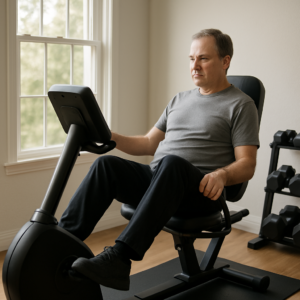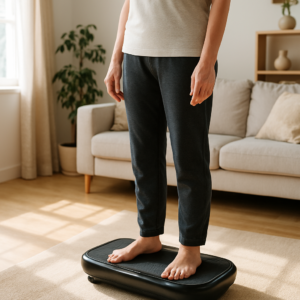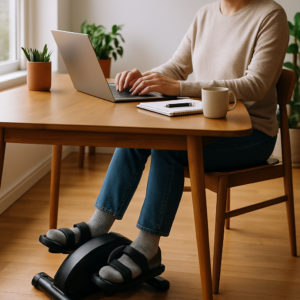

Picture this: you’ve been dealing with stiff, achy joints for months, and on the days you stay home alone, the pain somehow feels worse. But then a friend calls, you head out for a slow walk together, and by the time you get back, something feels a little lighter — not just emotionally, but physically. If that sounds familiar, you’re not imagining it. The link between social connections and joint pain is something researchers and clinicians are paying increasing attention to, and what they’re finding is genuinely encouraging for anyone managing chronic joint discomfort.
Why Social Connections May Influence Joint Pain and Inflammation
It might sound surprising, but loneliness and social isolation are increasingly recognized as contributors to chronic inflammation — the same underlying process that drives joint pain in conditions like osteoarthritis and rheumatoid arthritis. Research suggests that prolonged loneliness can elevate levels of pro-inflammatory markers in the body, including C-reactive protein and interleukin-6, both of which are associated with increased joint swelling and pain sensitivity.
On the flip side, meaningful social engagement appears to activate the body’s natural stress-dampening systems. When you feel safe, supported, and connected, your nervous system shifts out of a heightened state of alert. Cortisol levels may drop, sleep quality often improves, and your body’s inflammatory response can become better regulated. None of this is a cure, but the cumulative effect over time can be meaningful for how your joints feel day to day.
Think about what happens during a good conversation with someone you trust. Your breathing slows. Your muscles relax. That physical softening isn’t just metaphorical — it’s your nervous system doing exactly what it’s supposed to do when it feels safe. And relaxed muscles put less compressive force on your joints, which can translate directly to less discomfort.
Practical Ways to Use Social Activity as Part of Your Joint Care Routine
I always tell the people I work with: recovery doesn’t happen in isolation — literally. Here are some genuinely useful ways to weave social connection into a joint-friendly lifestyle.
Join a Low-Impact Group Exercise Class
Water aerobics, chair yoga, and tai chi classes done in a group setting offer a double benefit: the physical movement keeps joints lubricated and mobile, while the social component supports emotional well-being. Many people find that they push through mild discomfort more easily when others are alongside them. Community centers, YMCAs, and senior centers often offer affordable or free options.
Walk With a Friend or Neighbor
Walking is one of the best low-impact exercises for joint health, and doing it with someone else adds an accountability factor that makes it easier to stay consistent. Even a 15-to-20-minute walk three times a week may help reduce joint stiffness and support cardiovascular health, which in turn supports the tissues surrounding your joints.
Consider Support Groups for Chronic Pain
Online and in-person support groups for people managing arthritis or chronic joint conditions can provide something that medical appointments often can’t: the validation of being truly understood. Feeling heard may help reduce the psychological burden of chronic pain, and research suggests that perceived social support is associated with lower pain catastrophizing — meaning people tend to feel less overwhelmed by their pain when they don’t feel alone in it.
Volunteer or Engage in Community Activities
Purposeful social engagement — activities where you feel useful and connected — appears to have particularly strong effects on well-being and inflammation markers. Volunteering, community gardening (with joint-friendly adaptations), or joining a hobby group can all serve this purpose.
Products Worth Trying to Support Your Recovery Between Social Activities
Social connection is a powerful tool, but it works best alongside good physical self-care habits. Here are a few products that many people managing joint pain find helpful for home use between activities and social commitments.
Using Hand Stress Relief to Break the Pain-Isolation Cycle
When joint pain keeps you isolated, even small fidget tools can help you stay engaged during social time without aggravating your hands. Stress balls designed for adults give you something to do with anxious hands during conversation—reducing tension that often tightens joints—without requiring the grip strength of traditional hand therapy equipment.
What works
- Research on fidget tools shows they reduce cortisol levels during social anxiety, and lower cortisol means less inflammatory signaling in joints—this is why that walk with a friend felt lighter.
- The soft-squeeze design (unlike harder therapy balls) lets you engage your hands without overloading finger joints, so you’re getting tension release without the next-day flare-up risk.
- Most people report that having something tactile to hold during conversations or phone calls reduces unconscious tension gripping, which is often the real culprit behind hand stiffness by day’s end.
What doesn’t
- This is not a substitute for actual hand therapy or mobility work—it’s a tool for *during* social time, not for treating joint dysfunction itself.
- If your hand pain is severe or inflammatory, mindless squeezing can aggravate it; this works best when you’re already managing pain baseline with other approaches.
Don’t expect this alone to solve joint pain—the real win is removing one barrier to social connection, which is where the actual anti-inflammatory benefit comes from. Ortarco 3 Pack Stress Balls for Adults
About This Article

Written by Michael Torres. Michael Torres has had joint problems his whole life — hypermobile as a kid, chronic sprains and a dislocating shoulder through his twenties, an osteoarthritis diagnosis in his early fifties, and a right knee replacement since. He is not a doctor or a physical therapist and has no clinical training. He writes about what has helped him and what he has watched help the people around him, and says plainly when he has not tried something himself. More about this site.
Scope and limits. Michael has no medical or clinical training — he writes about living with his own joint pain, not about treating anyone else's. Nothing here is medical advice. Talk to a doctor before starting anything new, and get seen promptly for pain that is new, severe, worsening, or comes with swelling, fever, or numbness.
Verify this against a primary source
Specifics change, and your situation may differ from the one described here. These are the authorities worth checking directly:
- NIAMS — arthritis and musculoskeletal research from the NIH
- MedlinePlus — plain-language medical reference from the NIH
- Arthritis Foundation — condition guides and treatment overviews