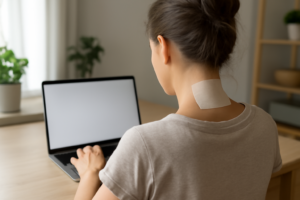
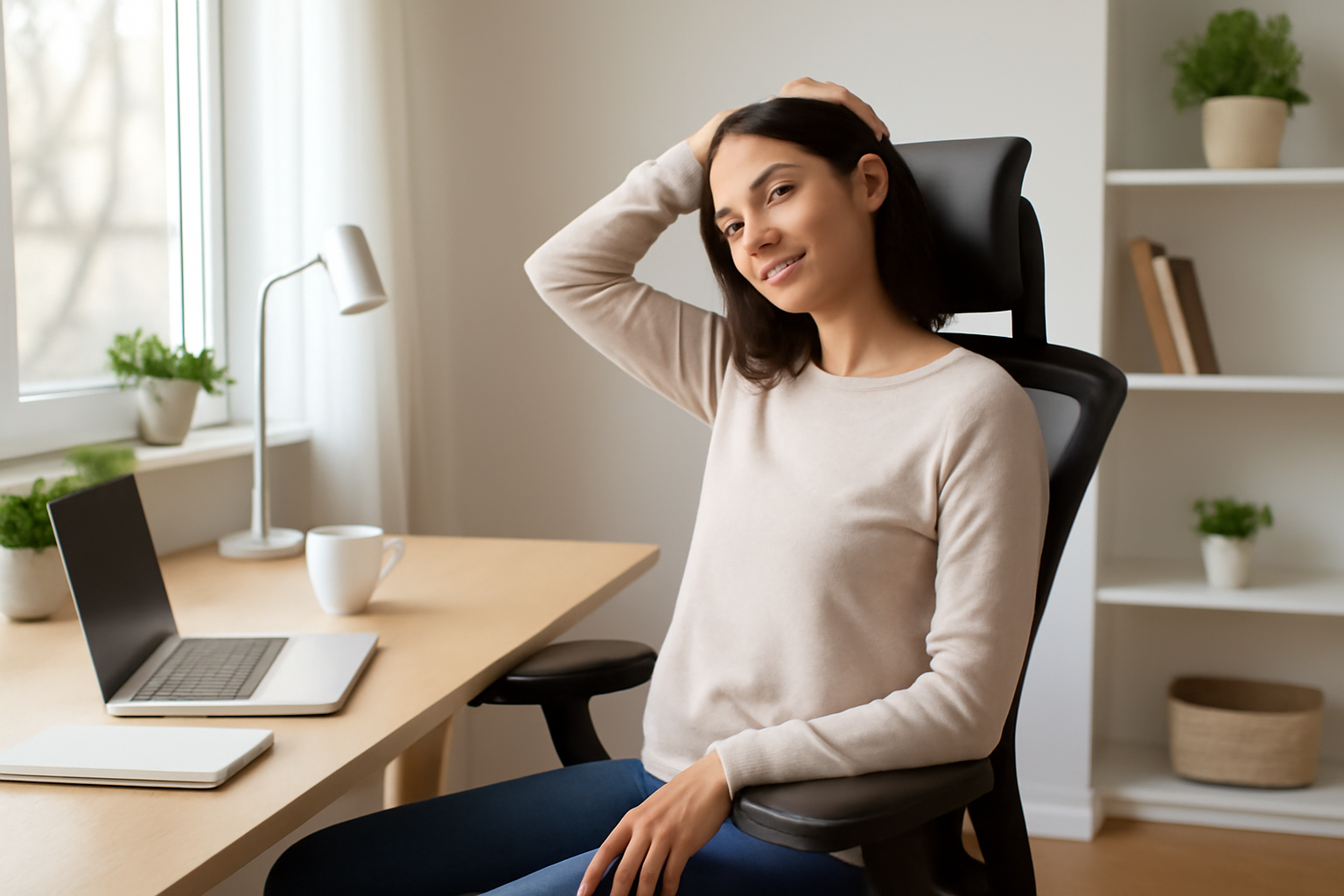

You wake up, reach for your phone, and within five minutes you’re already tilting your head down at that familiar angle — the one that leaves you rubbing the back of your neck by noon. Sound familiar? If you’re dealing with stiffness, aching, or that deep tension that radiates from your shoulders up into your skull, you’re not alone. Millions of people struggle with this exact pattern every single day, and the frustrating part is that the home environment most of us have built around ourselves is quietly making it worse. The good news? A few intentional changes to your setup may go a long way toward cervical neck pain relief — and that’s exactly what we’re going to walk through together today.
Why Your Home Setup Might Be the Hidden Culprit
Before we talk solutions, let’s get honest about the problem. Cervical pain — the kind that lives in the upper spine and neck — is often the result of sustained postures we hold for hours without realizing it. Working from a laptop on the couch, squinting at a screen that’s too low, sleeping on a pillow that doesn’t support the natural curve of your neck — these aren’t dramatic injuries. They’re slow, repetitive stressors that accumulate over weeks and months.
Research suggests that forward head posture — where your ears sit in front of your shoulders rather than directly above them — dramatically increases the load on the cervical spine. For every inch your head moves forward, the effective weight your neck muscles have to support can increase significantly. That’s a lot of strain for muscles that were never designed to hold that position all day long.
The encouraging thing is that your home is a space you can actually control. Unlike an office environment where you might have little say over your chair or desk height, at home you have options — and those options can make a real difference in how you feel day to day.
Practical Home Setup Changes That May Support Cervical Neck Pain Relief
1. Raise Your Screen to Eye Level
This is the single most impactful change most people can make. Your monitor or laptop screen should be positioned so that the top third of the display is roughly at eye level when you’re sitting up straight. This keeps your head in a neutral position rather than constantly angled downward. A simple laptop stand, a stack of books, or a monitor riser can accomplish this without spending a lot of money. If you’re working from a laptop, pairing it with a separate keyboard and mouse is worth the investment — it lets you elevate the screen without awkwardly craning your arms upward.
2. Reassess Your Pillow and Sleep Position
We spend roughly a third of our lives horizontal, and how you sleep matters enormously for cervical health. Many people find relief when they switch to a contoured cervical pillow that supports the natural inward curve of the neck. If you’re a side sleeper, your pillow should be thick enough to keep your spine aligned — your nose should be roughly in line with your sternum, not tilting up or sagging down. Stomach sleeping is the position most physical therapists will gently discourage, as it requires your neck to rotate and hold an extreme angle for hours at a time.
3. Create Movement Breaks — Literally Schedule Them
Static posture — even good posture — isn’t meant to be held indefinitely. The cervical spine benefits enormously from regular, gentle movement throughout the day. Set a timer every 45 to 60 minutes to stand up, roll your shoulders back, do a few slow chin tucks, and gently turn your head side to side. These micro-breaks don’t need to be elaborate. Even 90 seconds of intentional movement can help interrupt the tension cycle that builds during prolonged sitting. Many people find that this habit alone leads to noticeably less stiffness by the end of the day.
4. Reduce Screen Glare and Eye Strain
Here’s a connection that often gets overlooked: eye strain and screen glare cause you to unconsciously lean forward and squint, which pulls your head into that problematic forward position. Reducing your screen brightness, adjusting room lighting to minimize glare, and using blue light filtering glasses during extended screen time may help reduce this reflex. Many people who add blue light glasses to their routine report less eye fatigue and fewer tension headaches by the end of the day — which indirectly takes pressure off the neck and upper shoulders.
Products Worth Trying for Your Neck-Friendly Home Setup
I want to be upfront: no product is a cure, and I always encourage people to work with a physical therapist or physician for persistent pain. That said, there are some genuinely helpful tools that may complement the setup changes above and give you more comfortable days.
Cold Therapy for Acute Neck Flare-Ups: The One Tool That Actually Stays Put
When cervical pain spikes—whether from a poor sleep position, hours hunched over a desk, or just a day where everything tightened up—cold therapy can interrupt inflammation faster than stretching or posture corrections alone. The problem is most ice packs slip, regular frozen towels melt unevenly, and you end up nursing a headache with numb hands instead of relief. A properly fitted cold cap that stays where it’s supposed to actually works.
What works
- Stays in place without constant adjustment—the gel-covered design conforms to your neck and back of head, so you’re not spending 15 minutes retying something that keeps sliding down your shoulders.
- Targets the exact area where cervical tension concentrates—the base of the skull, upper trapezius, and occipital ridge—rather than dispersing cold uselessly across your whole head like a generic ice pack.
- Most people report noticeably reduced muscle tightness within 10-15 minutes of consistent use during flare-ups; the research supports cold therapy for acute inflammation, though results are temporary without addressing the underlying postural or mechanical cause.
What doesn’t
- This is a symptom manager, not a fix—if you spend eight hours a day with your head jutting forward, cold therapy twice a day won’t solve the structural problem that’s creating the pain in the first place.
- Gel caps lose their cold fairly quickly (usually 10-20 minutes depending on how cold you started), so you’re looking at a tool for acute flares, not all-day relief, and freezing time between uses adds friction if you need frequent applications.
Cold therapy works fastest when you use it early in a flare—waiting until pain has been building for hours makes the effect less dramatic. TheraICE Migraine Relief Cap
About This Article

Written by Michael Torres. Michael Torres has had joint problems his whole life — hypermobile as a kid, chronic sprains and a dislocating shoulder through his twenties, an osteoarthritis diagnosis in his early fifties, and a right knee replacement since. He is not a doctor or a physical therapist and has no clinical training. He writes about what has helped him and what he has watched help the people around him, and says plainly when he has not tried something himself. More about this site.
Scope and limits. Michael has no medical or clinical training — he writes about living with his own joint pain, not about treating anyone else's. Nothing here is medical advice. Talk to a doctor before starting anything new, and get seen promptly for pain that is new, severe, worsening, or comes with swelling, fever, or numbness.
Verify this against a primary source
Specifics change, and your situation may differ from the one described here. These are the authorities worth checking directly:
- NIAMS — arthritis and musculoskeletal research from the NIH
- MedlinePlus — plain-language medical reference from the NIH
- Arthritis Foundation — condition guides and treatment overviews