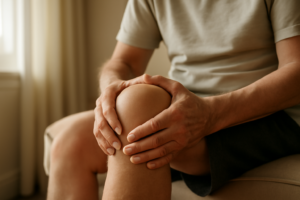

Joint pain is one of the most common reasons people search for answers online — and one of the most misunderstood. The reason I always recommend starting with a joint pain quiz is simple: not all joint pain is the same, and treating the wrong type can waste months of your life and, in some cases, make things significantly worse. Inflammatory arthritis, osteoarthritis, acute injury, and chronic overuse all produce pain in joints — but they look different, feel different, and respond to completely different treatments.
Something I always explain to people who come to me frustrated after months of ineffective treatment is this: the pattern of your pain tells a story. When did it start? Where exactly does it hurt? Is it worse in the morning or the evening? Does rest help or make it worse? These aren’t just casual questions — they are the same clinical questions a rheumatologist or physiotherapist would use to start narrowing down a diagnosis. The checklist below is designed to help you identify which story your joints might be telling.
I want to be clear upfront: this quiz is not a diagnostic tool and cannot replace a proper clinical assessment. What it can do is help you understand your symptom pattern well enough to have a more informed conversation with your GP, physiotherapist, or rheumatologist — and push you in the right direction sooner rather than later.
The Joint Pain Type Symptom Checklist
Go through each question below and answer honestly with a simple Yes or No based on what you have been experiencing over the past four to twelve weeks. Try not to overthink it — go with what feels most true to your experience. The goal is to identify a pattern, not to tick every single box.
- Is your joint pain in the same joint(s) on both sides of your body (symmetrical)?
- Do you experience significant joint stiffness in the morning that takes more than 30 minutes to improve?
- Is your pain accompanied by visible swelling, warmth, or redness in the joint?
- Did your pain begin gradually over months or years, rather than after a specific event?
- Do you have pain in smaller joints such as the knuckles, wrists, or balls of your feet?
- Is the pain worse after periods of rest and better with gentle movement?
- Do your joints feel worse after activity and better with rest (the opposite of inflammatory patterns)?
- Did the pain come on after a specific injury, impact, or repetitive strain?
- Do you have a personal or family history of autoimmune conditions?
- Have blood tests shown elevated inflammatory markers such as CRP or ESR, or positive rheumatoid factor?
Give yourself 1 point for every “Yes.” Then check your score below.
What Your Score Means
0–3: Mechanical or overuse pattern. Your pain pattern leans more toward osteoarthritis or overuse than inflammatory arthritis. This is the most common pattern by a wide margin. Mechanical loading management, anti-inflammatory nutrition, and targeted exercise are your most useful tools here. Focus on building the muscles around the affected joint, managing activity levels intelligently, and reducing aggravating movements. That said, even a low score warrants attention if your pain is persistent or worsening — do not dismiss it simply because it may be “just wear and tear.”
4–6: Mixed or early-stage pattern. A mixed picture like this could suggest early osteoarthritis, overuse injury, or early inflammatory involvement — and in my experience, this middle range is where people tend to wait the longest before seeking proper help. Blood work to check inflammatory markers such as CRP, ESR, and rheumatoid factor, alongside a rheumatology or physiotherapy opinion, is a sensible and proactive step. Catching inflammatory arthritis early is genuinely important: research published in journals like Rheumatology consistently shows that early treatment is associated with significantly better long-term joint outcomes.
7–10: Significant inflammatory pattern. A score in this range reflects a pattern with considerable overlap with inflammatory arthritis — particularly if you are also experiencing symmetrical small joint involvement, morning stiffness lasting over 30 minutes, and visible swelling or warmth. This does not confirm a diagnosis, but it does make a strong case for prompt investigation. A rheumatology referral is strongly recommended. In the meantime, avoid the temptation to push through the pain with high-impact exercise, and speak with your GP as soon as possible about next steps.
Understanding the Pattern
The pattern I look for when assessing joint pain clinically comes down to a fundamental question: is this joint being damaged from the inside, or is it being overloaded from the outside? Inflammatory arthritis — which includes conditions like rheumatoid arthritis, psoriatic arthritis, and ankylosing spondylitis — involves the immune system mistakenly attacking the synovial lining of joints. This produces the hallmark signs of warmth, swelling, and stiffness that are typically worst in the morning and improve with movement. Osteoarthritis, by contrast, is driven by the progressive breakdown of articular cartilage, often as a result of biomechanical stress, previous injury, age, or genetic predisposition. It tends to worsen with activity and improve with rest.
Overuse injuries occupy a slightly different space. Tendons, bursae, and the soft tissues around joints can become chronically irritated through repetitive loading — think of a runner developing lateral knee pain, or a desk worker with persistent wrist discomfort. These are not strictly “joint” conditions in the articular sense, but they produce pain at or near joints and are frequently confused with the other categories. The key distinguishing feature is a clear relationship between a specific activity or movement pattern and the onset of symptoms.
Risk factors for inflammatory arthritis include a family history of autoimmune disease, female sex (though this varies by condition), smoking, and certain genetic markers such as HLA-DR4 in rheumatoid arthritis. Osteoarthritis risk is closely tied to age, body weight, previous joint injury, and occupational demands. Understanding which risk factors apply to you can help contextualise your quiz score and make your conversation with a healthcare professional more productive from the first appointment.
Take a Validated Joint Pain Type Assessment
The checklist above is a useful starting point, but if you want to dig deeper before your next appointment, there are some well-constructed online tools worth exploring. These are not substitutes for clinical assessment, but they can help you organise your symptoms and understand the possible categories your pain might fall into.
- Buoy Health Joint Pain Quiz — An AI-powered quiz built by doctors designed to help differentiate between arthritis, injuries, and overuse pain based on your specific symptom profile.
- Private MD Labs Joint Pain Quiz — A symptom-based tool that walks you through possible joint pain types and their likely causes, with guidance on relevant lab tests to consider.
Please do make sure to share and discuss the results of any online quiz with a qualified healthcare professional. These tools are informational aids — a GP, physiotherapist, or rheumatologist is the appropriate person to interpret your full clinical picture and guide next steps.
The Curcumin Formula That Actually Works for Inflammatory Joint Pain
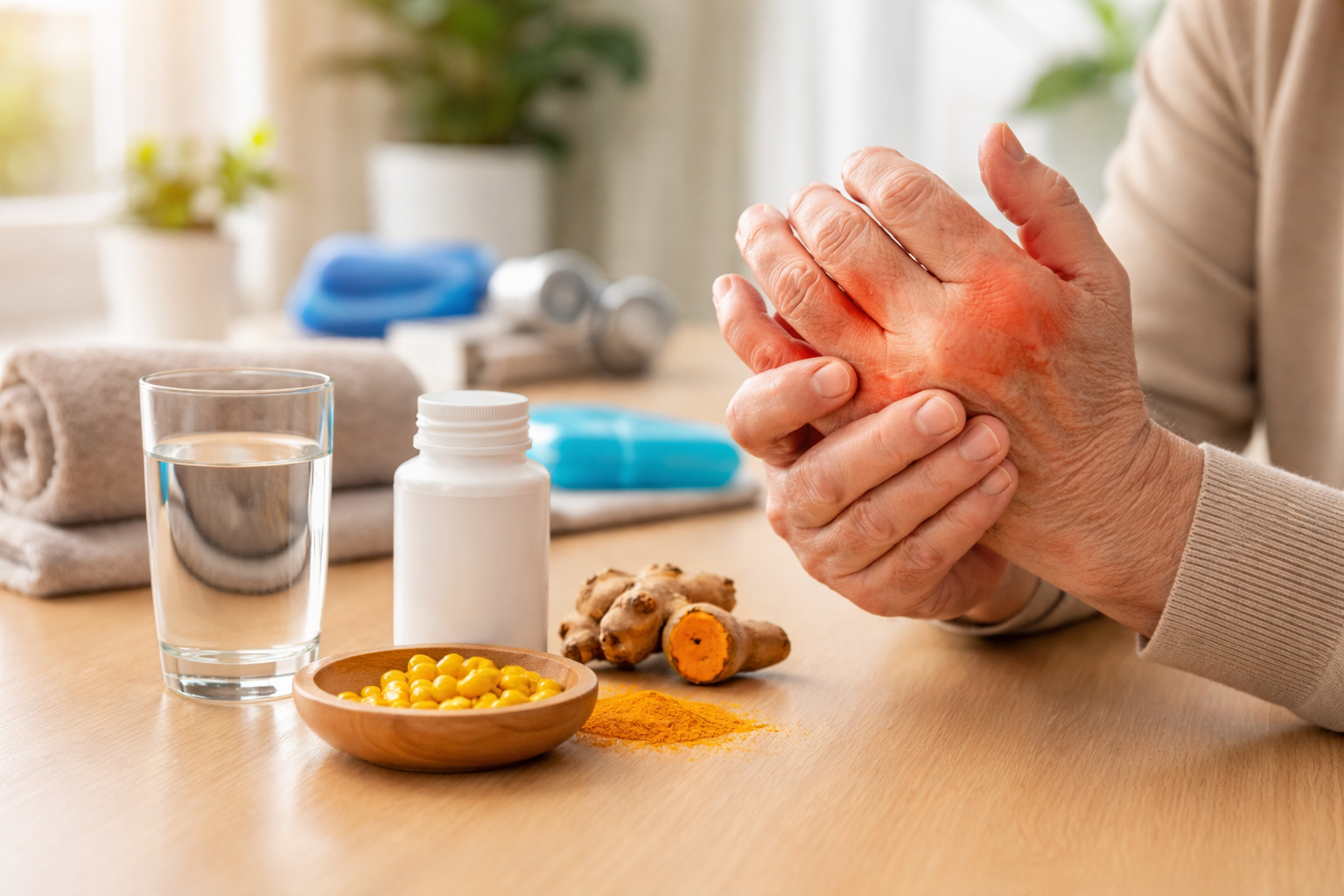
If your quiz results point to inflammatory arthritis or inflammatory overuse pain, curcumin is one of the few supplements with solid research backing it — but only if you’re taking enough of it and giving it time. This NatureWise formula delivers the dose that actually shows up in the studies: 2250mg daily across the 180-count supply.
What works
- Research consistently shows curcumin reduces inflammatory markers in the bloodstream — but you need the bioavailable form (this one uses a black pepper extract) to actually absorb it.
- Most people report noticeable reduction in morning stiffness and joint swelling after 4-6 weeks of consistent use, which is realistic for an anti-inflammatory to kick in.
- At 2250mg daily, this hits the dosage range used in actual clinical trials — not the underdosed “one capsule” marketing nonsense you see everywhere.
What doesn’t
- Curcumin does absolutely nothing for mechanical joint pain (osteoarthritis without inflammation, acute injuries) — if your quiz showed overuse without swelling, this isn’t your answer.
- You have to take it consistently for weeks before you feel anything; if you’re looking for the immediate relief of a topical cream, this won’t give it to you.
This isn’t magic, and curcumin only works if the inflammation is actually the root of your pain — which is why the quiz matters. NatureWise Curcumin Turmeric 2250mg (180 Count — 60-Day Supply)
About This Article

Written by Michael Torres. Michael Torres has had joint problems his whole life — hypermobile as a kid, chronic sprains and a dislocating shoulder through his twenties, an osteoarthritis diagnosis in his early fifties, and a right knee replacement since. He is not a doctor or a physical therapist and has no clinical training. He writes about what has helped him and what he has watched help the people around him, and says plainly when he has not tried something himself. More about this site.
Scope and limits. Michael has no medical or clinical training — he writes about living with his own joint pain, not about treating anyone else's. Nothing here is medical advice. Talk to a doctor before starting anything new, and get seen promptly for pain that is new, severe, worsening, or comes with swelling, fever, or numbness.
Verify this against a primary source
Specifics change, and your situation may differ from the one described here. These are the authorities worth checking directly:
- NIAMS — arthritis and musculoskeletal research from the NIH
- MedlinePlus — plain-language medical reference from the NIH
- Arthritis Foundation — condition guides and treatment overviews