

You wake up on a cold January morning, swing your legs over the side of the bed, and the moment your feet hit the floor you feel it — that deep, achy stiffness in your knees or fingers that just wasn’t there back in September. If that sounds familiar, you are absolutely not imagining it. Cold weather genuinely does affect how our joints feel, and for millions of people living with arthritis or chronic joint conditions, finding reliable winter joint pain relief becomes a real seasonal priority. I’ve talked with a lot of people who feel frustrated when winter rolls around, and I want to share what actually helps — both from what the research says and from the practical, everyday strategies that make a real difference.
Why Cold Weather and Joint Pain Go Hand in Hand
The relationship between cold weather and joint pain is something researchers are still unpacking, but there are a few well-supported theories worth understanding. One of the leading explanations involves barometric pressure — the atmospheric pressure that surrounds us every day. When temperatures drop, barometric pressure often falls too, and this change may cause the tissues around your joints to expand slightly. For joints already dealing with inflammation or reduced cartilage, that small shift can translate into noticeable discomfort.
There’s also the simple matter of circulation. Cold temperatures cause blood vessels to constrict, which can reduce blood flow to the extremities — your hands, wrists, knees, and ankles. Less circulation means less warmth delivered to those areas, and tissues that are cold tend to feel stiffer and more painful. Add in the fact that many of us move less in winter — fewer walks, less outdoor activity, more time sitting on the couch — and you’ve got a perfect recipe for joint stiffness and flare-ups.
Vitamin D is another factor worth mentioning. Shorter days and more time indoors means many people become mildly deficient in vitamin D during winter months. Research suggests that adequate vitamin D levels play a role in musculoskeletal health, and low levels have been associated with increased pain sensitivity. It’s worth talking to your doctor about whether supplementation might be appropriate for you.
Practical Winter Joint Pain Relief Strategies That Actually Work
Before we get to products, let’s talk about habits — because no heating pad in the world replaces smart daily routines. These are the recommendations I find myself giving most often, and the ones patients consistently tell me make the biggest difference.
Keep Moving (Even When You Don’t Want To)
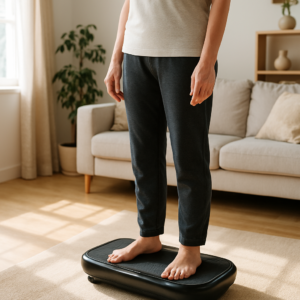
I know it’s tempting to hibernate, but gentle, consistent movement is one of the best things you can do for stiff, aching joints. Movement lubricates the joint space, promotes circulation, and helps maintain the muscle strength that protects your joints. You don’t need to run a marathon — even 15 to 20 minutes of light walking, stretching, or chair-based exercise each day may help significantly. Many people find that a brief warm-up session in the morning helps them shake off that initial stiffness faster.
Layer Up and Stay Warm
This one sounds obvious, but it’s worth being intentional about. Wearing warm layers over vulnerable joints — thermal knee sleeves under your pants, gloves when you step outside, warm socks — can help maintain circulation and reduce that cold-induced tightening sensation. Think of it as keeping your joints “pre-warmed” throughout the day, not just reacting to pain after it starts.
Stay Hydrated and Watch Your Diet
We tend to drink less water in winter because we don’t feel as thirsty, but dehydration can actually make joints feel worse. Synovial fluid — the natural lubricant inside your joints — depends on adequate hydration. On the dietary side, foods rich in omega-3 fatty acids like salmon, walnuts, and flaxseed have anti-inflammatory properties that research suggests may support joint comfort over time.
Apply Heat Strategically
Heat therapy is one of the most accessible and well-supported tools for managing joint stiffness. Warmth increases blood flow, relaxes surrounding muscles, and helps loosen up stiff tissue. The key is applying it consistently — not just when pain becomes unbearable. Morning routines that include 10 to 15 minutes of targeted heat can set a much more comfortable tone for your entire day.
Products Worth Trying for Winter Joint Comfort
I’m always a little cautious about recommending products because everyone’s situation is different, but the following items address real, common needs I hear about constantly — warmth, compression, targeted support, and convenience. These are tools that many people find genuinely helpful as part of a broader joint care routine.
Heat + Massage for That Deep Winter Joint Stiffness
When cold weather hits, passive heat alone often isn’t enough—you need the combination of sustained warmth plus gentle compression or massage to actually loosen up that morning stiffness and get blood flow back to your joints. This 3-in-1 unit covers the joints that hurt most (knees, shoulders, elbows), which means you’re not juggling three separate devices or settling for one sore spot while the rest of you stays stiff.
What works
- The combination of heat + massage (versus heat alone) actually improves circulation faster—most people notice relief within 10-15 minutes rather than waiting 30+ minutes for a plain heating pad to kick in.
- Three attachments mean you can target your actual problem areas instead of buying separate devices; the knee sleeve and elbow brace designs stay put without you having to hold them, which matters when you’re trying to actually use your joint while treating it.
- The cordless design with rechargeable battery means you can use it on the commute, at your desk, or while getting ready—consistency matters more than perfect conditions, and barriers to use kill these things fast.
What doesn’t
- Heat tools feel amazing while you’re using them, but they don’t address the underlying cause—if your winter pain is driven by inflammation, inactivity, or structural issues, the relief stops the moment you take it off until you’ve actually treated the root problem.
- Battery life and durability vary; some people get consistent use for years, others report the motor wearing out or the battery dropping after a few months of daily use, so this isn’t a forever investment.
Think of this as a reliable symptom manager during the winter months, not a cure—you’ll probably want to pair it with actual movement and potentially other strategies depending on what’s actually driving your pain. Check out the Heated Knee Massager Shoulder Heating Pads Elbow Brace 3-in-1
About This Article

Written by Michael Torres. Michael Torres has had joint problems his whole life — hypermobile as a kid, chronic sprains and a dislocating shoulder through his twenties, an osteoarthritis diagnosis in his early fifties, and a right knee replacement since. He is not a doctor or a physical therapist and has no clinical training. He writes about what has helped him and what he has watched help the people around him, and says plainly when he has not tried something himself. More about this site.
Scope and limits. Michael has no medical or clinical training — he writes about living with his own joint pain, not about treating anyone else's. Nothing here is medical advice. Talk to a doctor before starting anything new, and get seen promptly for pain that is new, severe, worsening, or comes with swelling, fever, or numbness.
Verify this against a primary source
Specifics change, and your situation may differ from the one described here. These are the authorities worth checking directly:
- NIAMS — arthritis and musculoskeletal research from the NIH
- MedlinePlus — plain-language medical reference from the NIH
- Arthritis Foundation — condition guides and treatment overviews