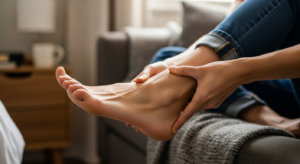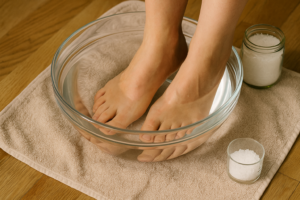
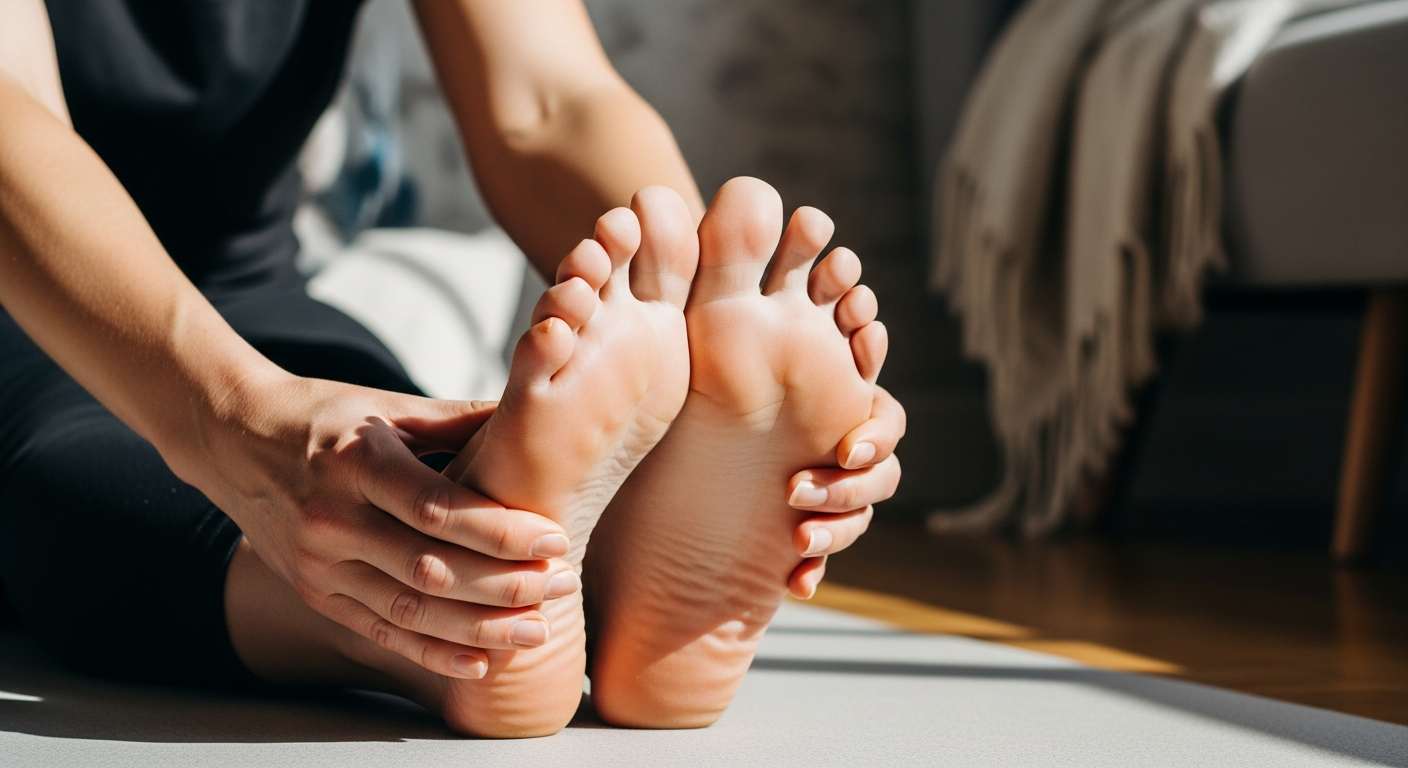

Your feet work hard every single day. They carry your entire body weight and absorb countless impacts. However, most people neglect foot health until pain strikes. Regular foot exercises can strengthen muscles, improve flexibility, and relieve joint discomfort. Whether you’re managing arthritis, recovering from an injury, or simply looking to prevent future problems, a structured routine of targeted foot exercises can make a meaningful difference in your mobility and comfort.
Why Foot Exercises Matter for Joint Health
The feet contain 26 bones, 33 joints, and over 100 muscles, tendons, and ligaments. When these structures weaken or lose flexibility, it doesn’t just affect your feet—it can compromise your ankles, knees, hips, and even your lower back. Foot exercises work by strengthening the intrinsic muscles (the small muscles within the foot itself) and improving range of motion in the joints. This increased stability reduces abnormal stress on surrounding structures and can help prevent or manage conditions like plantar fasciitis, arthritis, and chronic foot pain.
Consistency is key. Most people see noticeable improvements in flexibility and mild pain reduction within 2-4 weeks of regular practice, though building significant strength typically takes 6-8 weeks.
10 Essential Foot Exercises for Joint Health
1. Toe Spreads
Sit comfortably and try to spread your toes apart as wide as possible, holding each spread for 5 seconds. Repeat 10-15 times per foot. This activates the small muscles between your toes and improves intrinsic foot strength.
2. Toe Curls
Place a towel flat on the floor and use your toes to curl it toward you. Add a light weight to the far end to increase resistance as you build strength. This exercise targets the muscles on the bottom of your foot.
3. Calf Raises
Stand with feet hip-width apart and slowly rise up onto your toes, holding briefly at the top. Lower back down and repeat 15-20 times. This strengthens your calves while improving ankle stability and foot alignment.
4. Marble Pickups
Scatter marbles on a mat and use your toes to pick them up one at a time, placing them in a cup. This combines dexterity with intrinsic foot strengthening and makes the exercise engaging.
5. Ankle Circles
Sit with one leg extended or crossed over the other knee. Slowly rotate your ankle in full circles, 10 times in each direction. This improves mobility in the ankle joint and helps maintain synovial fluid circulation.
6. Plantar Fascia Stretch
Sit down and cross one foot over the opposite knee. Gently pull your toes back toward your shin, holding the stretch for 30 seconds. Repeat 3 times per foot. This directly addresses one of the most common sources of foot pain.
7. Single-Leg Balance
Stand on one leg for 20-30 seconds, using a chair or wall for light support if needed. Repeat 3 times per leg. This strengthens stabilizer muscles and improves proprioception (body awareness), which reduces fall risk.
8. Short Foot Exercise
Sit or stand and try to shorten your foot by drawing the ball of your foot toward your heel without curling your toes. Hold for 5 seconds and repeat 10 times. This isolates the arch muscles and is particularly helpful for flat foot conditions.
9. Resistance Band Ankle Work
Loop a resistance band around the ball of your foot. Point your foot away from you, then pull it back toward you against the band’s resistance. Perform 15 repetitions in each direction per foot.
10. Heel Walks and Toe Walks
Walk across the room on your heels for 30 seconds, then walk on your toes for 30 seconds. Alternate 3-5 times. This works different muscle groups and improves overall foot strength and coordination.
The Mat That Actually Makes Floor Exercises Sustainable
Foot exercises work best when you’re doing them consistently, and that’s hard to maintain if your knees, hips, or lower back are complaining about hard floor contact. A quality exercise mat removes that friction point—literally—so you can focus on form and repetition instead of discomfort.
What works
- The extra thickness (about half an inch) actually cushions your joints during floor work without being so soft that you lose stability during balance exercises.
- Non-slip surface means your feet stay planted during exercises like toe spreads and balance board work, so you’re not fighting the mat while trying to strengthen stabilizer muscles.
- It’s thick enough to make a real difference in comfort but not so bulky that it takes up a closet or becomes a hassle to roll out and use daily.
What doesn’t
- A mat is a facilitator, not a fix—if you have significant foot or joint pain, you still need to modify exercises or get clearance from a physical therapist before starting a routine.
- The cushioning wears down over time with heavy or daily use, especially if you’re doing impact-based movements; I’ve gotten about 18 months of solid daily use before noticing compression loss.
A mat makes foot exercises more comfortable, but it’s not a substitute for consistency and proper form. Amazon Basics Extra Thick Exercise Yoga Mat
Getting Started: Tips for Success
Begin with just 5-10 minutes daily rather than sporadic longer sessions. Your feet will adapt better to regular, frequent movement than occasional intensive workouts. Perform exercises slowly and mindfully—focus on form over speed. If you experience sharp pain (rather than mild muscle fatigue), stop and consult a healthcare provider. Wear supportive footwear during daily activities, not just during exercise. And remember that foot health is cumulative; the small investments you make today pay dividends in mobility and comfort for years to come.
About This Article

Written by Michael Torres. Michael Torres has had joint problems his whole life — hypermobile as a kid, chronic sprains and a dislocating shoulder through his twenties, an osteoarthritis diagnosis in his early fifties, and a right knee replacement since. He is not a doctor or a physical therapist and has no clinical training. He writes about what has helped him and what he has watched help the people around him, and says plainly when he has not tried something himself. More about this site.
Scope and limits. Michael has no medical or clinical training — he writes about living with his own joint pain, not about treating anyone else's. Nothing here is medical advice. Talk to a doctor before starting anything new, and get seen promptly for pain that is new, severe, worsening, or comes with swelling, fever, or numbness.
Verify this against a primary source
Specifics change, and your situation may differ from the one described here. These are the authorities worth checking directly:
- NIAMS — arthritis and musculoskeletal research from the NIH
- MedlinePlus — plain-language medical reference from the NIH
- Arthritis Foundation — condition guides and treatment overviews