

Foot joint inflammation can make everyday activities feel unbearable. Walking to your car becomes a challenge. Standing in the kitchen turns into torture. Fortunately, natural remedies offer relief without harsh medications. These approaches address both symptoms and underlying causes of inflammation.
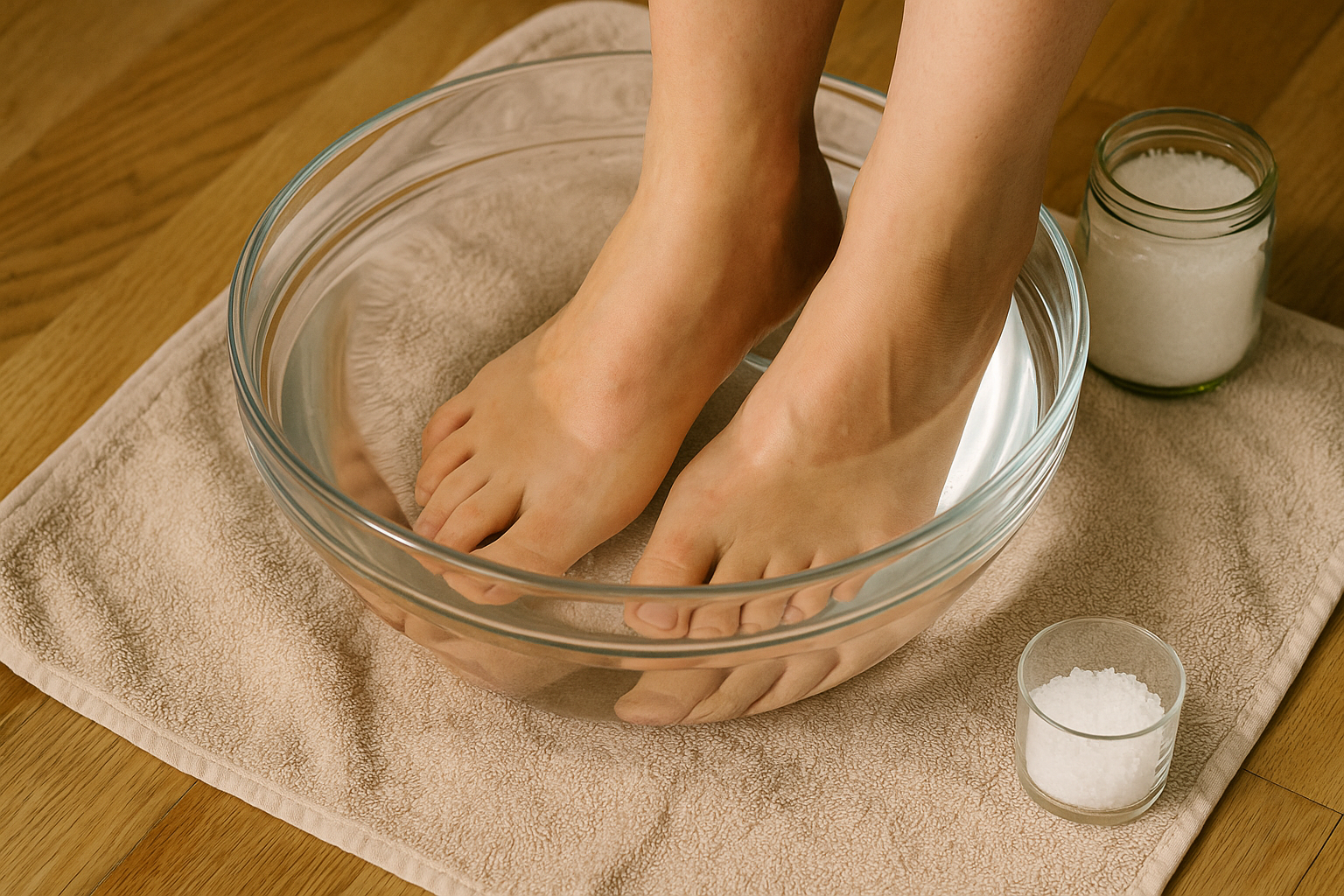
Warm Epsom Salt Soaks: The Foundation for Reducing Foot Joint Swelling
Foot swelling and stiffness often improve fastest when you target inflammation locally and give your joints sustained warmth and magnesium support. A warm epsom salt soak addresses both—reducing fluid buildup while magnesium penetrates inflamed tissue, which is why I start almost everyone here before moving to other interventions.
What works
- Magnesium absorption through the skin reduces muscle tension around the joint and supports the inflammatory response—research shows this happens within 10–15 minutes of soaking, and users report noticeably less tightness afterward.
- Warm water itself mobilizes fluid and improves circulation to the foot, which many people find makes the next day’s walking easier, especially if done consistently 3–4 times weekly.
- Teal’s product dissolves completely without residue and doesn’t require expensive specialty salts—the purity matters because cheap epsom salts often leave grit that irritates skin, which defeats the purpose.
What doesn’t
- This won’t fix structural damage or severe arthritis—if your foot pain comes from bone-on-bone wear, soaks will reduce inflammation temporarily but won’t reverse the underlying condition.
- Results take consistency; one soak won’t noticeably reduce swelling, and if you have severe edema from circulatory issues or kidney problems, you need to address the root cause with a doctor before relying on this.
Think of this as a reliable anti-inflammatory tool, not a cure—you’ll need to use it regularly and often combine it with movement or other approaches for lasting improvement. Teal’s Epsom Salt
How to Get the Most From Your Epsom Salt Soaks
Soaking properly makes a real difference. Fill a basin or tub with warm (not hot) water—around 92–100°F is ideal because water that’s too hot can actually increase inflammation in some cases. Dissolve about one to two cups of epsom salt, depending on the depth of your soak. Submerge your foot or feet for 15–20 minutes. The magnesium begins absorbing almost immediately, but the extended time allows circulation improvements and muscle relaxation to take full effect.
I recommend doing this three to four times per week for consistent results. Many people find that morning or evening soaks fit best into their routine. If you’re soaking in the evening, it can help reduce stiffness you’d otherwise feel when getting out of bed. After your soak, pat your feet dry and avoid jumping into activity—give yourself at least 20–30 minutes of gentle movement or rest to let the benefits settle in.
Complementary Natural Approaches for Foot Joint Pain
While epsom salt soaks are a solid foundation, combining them with other natural strategies amplifies your results. These work best together rather than as isolated treatments.
Anti-inflammatory foods and supplements
What you eat matters significantly for joint inflammation. Omega-3 rich foods like fatty fish, walnuts, and flaxseeds help calm inflammatory pathways. Turmeric and ginger—whether in food or as supplements—have been used traditionally for joint health. While you should consult a healthcare provider before starting any supplement regimen, many people find that incorporating these foods into their diet helps reduce overall inflammation, including in the feet.
Ice and compression for acute flare-ups
Unlike chronic inflammation that benefits from warmth, acute swelling (sudden onset within hours) responds better to ice. Apply ice for 10–15 minutes several times daily if you’re experiencing a recent flare. Compression wraps or supportive socks can reduce fluid accumulation throughout the day. Once the acute phase passes, transition back to warmth-based approaches like epsom soaks.
Gentle movement and stretching
Stiffness worsens when your foot sits still for too long. Gentle ankle circles, toe stretches, and short walks—especially after your epsom soak when tissues are warm and pliable—help maintain mobility and prevent inflammation from locking up your joint further. Even five minutes of light movement hourly can make a noticeable difference.
When to Seek Professional Care
Natural remedies work best for mild to moderate inflammation. However, you should see a healthcare provider if your foot swelling doesn’t improve after two to three weeks of consistent soaking, if you develop redness or warmth that suggests infection, if swelling is in only one foot (which can indicate circulatory issues), or if the pain is severe enough to limit your walking. Structural problems, arthritis progression, and circulatory conditions all require professional diagnosis and care that natural remedies alone cannot address.
About This Article

Written by Michael Torres. Michael Torres has had joint problems his whole life — hypermobile as a kid, chronic sprains and a dislocating shoulder through his twenties, an osteoarthritis diagnosis in his early fifties, and a right knee replacement since. He is not a doctor or a physical therapist and has no clinical training. He writes about what has helped him and what he has watched help the people around him, and says plainly when he has not tried something himself. More about this site.
Scope and limits. Michael has no medical or clinical training — he writes about living with his own joint pain, not about treating anyone else's. Nothing here is medical advice. Talk to a doctor before starting anything new, and get seen promptly for pain that is new, severe, worsening, or comes with swelling, fever, or numbness.
Verify this against a primary source
Specifics change, and your situation may differ from the one described here. These are the authorities worth checking directly:
- NIAMS — arthritis and musculoskeletal research from the NIH
- MedlinePlus — plain-language medical reference from the NIH
- Arthritis Foundation — condition guides and treatment overviews