
Understanding Arthritis and Footwear Needs
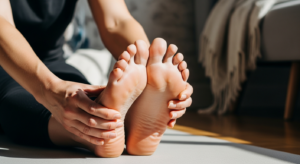
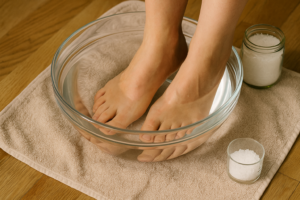
Arthritis in the feet creates significant challenges for daily mobility. The condition causes inflammation, pain, and stiffness in the joints. Consequently, finding the right footwear becomes essential for maintaining an active lifestyle. The right shoes can reduce discomfort and improve your ability to move freely.
When arthritis affects your feet, every step matters. Unlike arthritis in larger joints like the knee or hip, foot arthritis is often overlooked until pain becomes severe. Your feet carry your entire body weight with each stride, so even small improvements in cushioning and support can make a meaningful difference in your quality of life. I’ve found that many people don’t realize how much their shoe choice impacts their daily pain levels until they invest in proper footwear.
Key Features to Look for in Arthritis Shoes
Before diving into specific recommendations, it helps to understand what makes a shoe suitable for foot arthritis. Not all supportive shoes are created equal, and some features matter more than others when you’re dealing with inflamed joints.
Cushioning in the right places is non-negotiable. You want shock absorption concentrated in the areas where arthritis typically strikes: the ball of the foot, the heel, and the arch. Generic cushioning across the entire sole won’t target these pain points effectively.
A rocker or curved sole design reduces the amount of bending your foot needs to do during walking. This is especially important because excessive joint motion accelerates inflammation in arthritic feet. A good rocker sole mimics natural foot motion without forcing your joints through their full range of motion.
Breathable, flexible materials matter because swollen arthritic feet need room to swell without constriction. Rigid shoes trap heat and limit circulation, making inflammation worse. Look for mesh or soft leather uppers that adapt to foot swelling throughout the day.
Cushioning and Stability Without the Bulk: Why These Work for Foot Arthritis
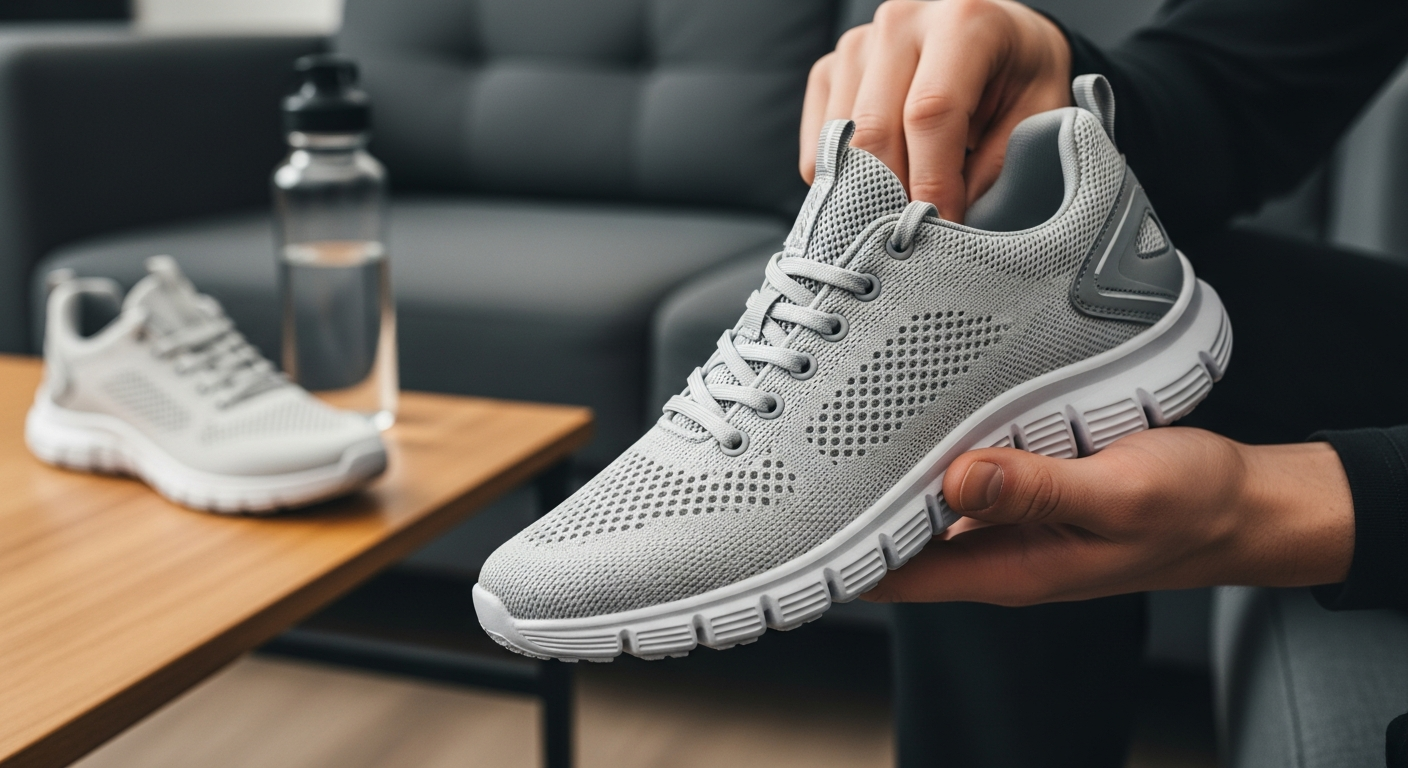
Foot arthritis demands shoes that cushion without being clunky, and provide enough structure to reduce excessive joint motion without locking your foot in place. The Skechers Women’s Summits hit that balance—they’re built for people who need support but refuse to sacrifice walkability.
What works
- Memory foam insole absorbs impact at the point where arthritis pain typically starts—the midfoot and ball of the foot—reducing the jarring sensation that makes inflammation worse throughout the day.
- The rocker sole (curved bottom design) naturally reduces the demand on arthritic joints by decreasing the range of motion your foot needs during the push-off phase of walking, which most people notice within the first week.
- Lightweight enough that they don’t feel like orthopedic shoes, which means you’ll actually wear them consistently instead of reverting to unsupportive footwear on “better days.”
What doesn’t
- They’re not a substitute for addressing biomechanical issues—if your arthritis stems from overpronation or severe structural misalignment, these alone won’t stop the underlying wear pattern, and you may need custom orthotics alongside them.
- The memory foam breaks down over 6–8 months of daily use, so you’ll need to replace them regularly (not a one-time purchase), and they’re less durable if you’re doing high-impact activities.
Shopping Tips and Common Mistakes
When shopping for arthritis shoes, avoid these common pitfalls:
- Don’t prioritize appearance over function. Stylish shoes without proper support will sit in your closet while your feet suffer in unsuitable footwear. Prioritize comfort and support first.
- Size matters more than you think. Arthritic feet often swell, especially later in the day. Shop for shoes in the afternoon or evening when your feet are at their largest. You should have a thumb’s width of space between your longest toe and the shoe’s end.
- Break shoes in gradually. Even arthritis-friendly shoes need a transition period. Wear new shoes for short periods initially, then increase wear time over a week or two.
- Replace shoes on a schedule. Don’t wait until your arthritis pain increases to consider replacing worn-out shoes. Set a reminder to evaluate shoe condition every 6–8 months.
The Bigger Picture: Shoes Are Just One Part
Good shoes reduce pain day-to-day, but they work best when paired with movement and strength—don’t expect them to reverse inflammation on their own. Gentle exercises, weight management if applicable, and potentially other treatments recommended by your healthcare provider all contribute to managing foot arthritis effectively. Consult with a podiatrist or rheumatologist if your pain is severe or worsening, as they can provide personalized recommendations and rule out other conditions.
Check out the Skechers Women’s Summits on Amazon to see the current sizing and color options.
About This Article

Written by Michael Torres. Michael Torres has had joint problems his whole life — hypermobile as a kid, chronic sprains and a dislocating shoulder through his twenties, an osteoarthritis diagnosis in his early fifties, and a right knee replacement since. He is not a doctor or a physical therapist and has no clinical training. He writes about what has helped him and what he has watched help the people around him, and says plainly when he has not tried something himself. More about this site.
Scope and limits. Michael has no medical or clinical training — he writes about living with his own joint pain, not about treating anyone else's. Nothing here is medical advice. Talk to a doctor before starting anything new, and get seen promptly for pain that is new, severe, worsening, or comes with swelling, fever, or numbness.
Verify this against a primary source
Specifics change, and your situation may differ from the one described here. These are the authorities worth checking directly:
- NIAMS — arthritis and musculoskeletal research from the NIH
- MedlinePlus — plain-language medical reference from the NIH
- Arthritis Foundation — condition guides and treatment overviews