
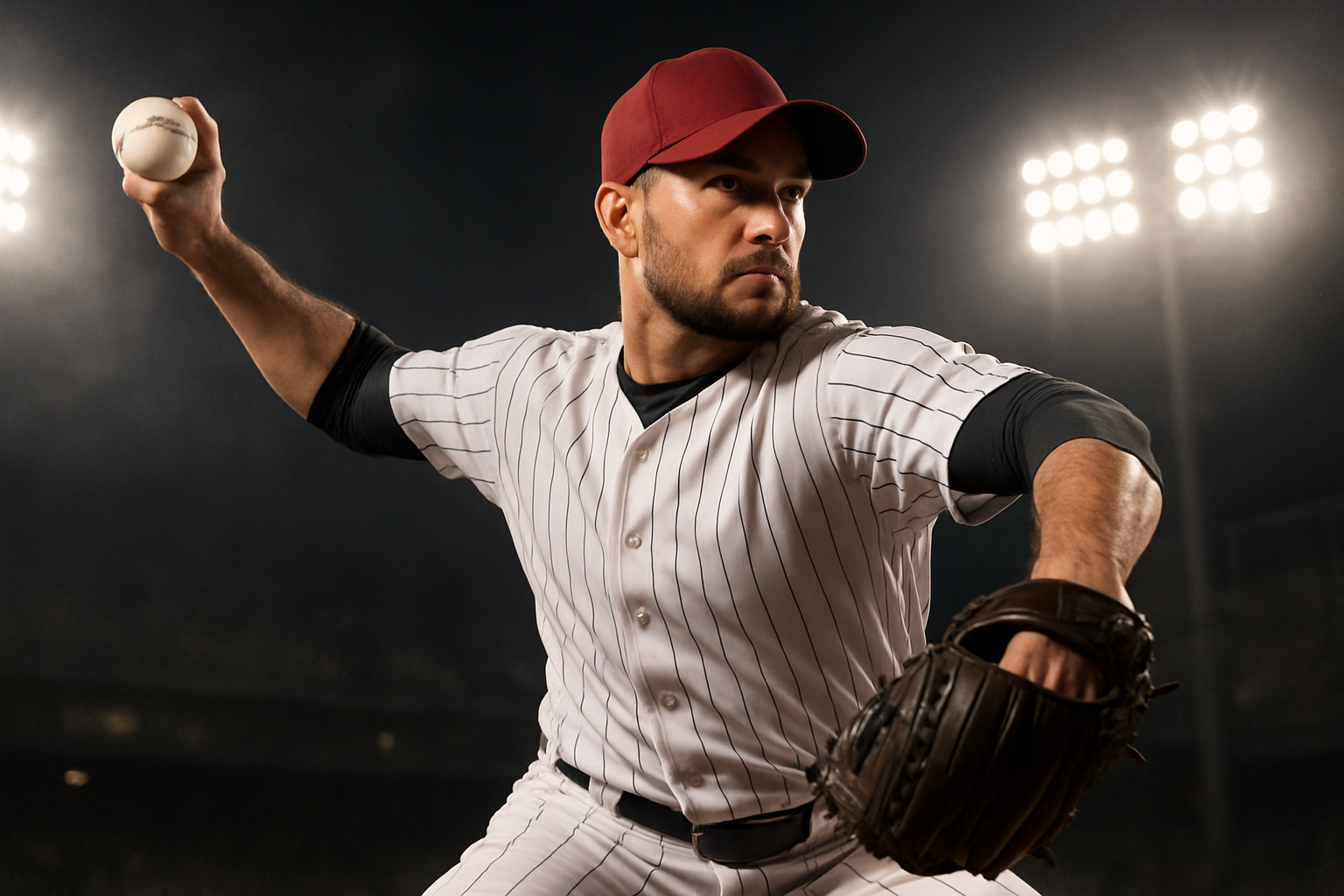
Picture this: it’s the third inning, your pitcher’s arm feels a little tight, and by the sixth inning that tightness has turned into a dull, nagging ache on the inside of the elbow. Sound familiar? Whether you’re a competitive baseball player, a volleyball setter, or a swim coach watching athletes push through overhead movements day after day, you’ve probably seen — or felt — this story play out. Finding the right elbow support for overhead athletes is one piece of the puzzle, but understanding why the elbow gets stressed in the first place is where real protection begins.
Affiliate disclosure: This post contains affiliate links. As an Amazon Associate, I earn from qualifying purchases. This helps keep JointHealthFAQ.com running at no extra cost to you — thank you for your support!
What Is Pitcher’s Elbow and Who Does It Affect?
Pitcher’s elbow is a broad term that most commonly refers to medial epicondyle stress — irritation or injury along the inside of the elbow joint. The medical community often breaks this down into conditions like medial epicondylitis (golfer’s elbow), ulnar collateral ligament (UCL) sprains, or in younger athletes, medial apophysitis. But here’s what I want you to understand right away: this isn’t just a baseball problem. Anyone whose sport demands repeated overhead or throwing mechanics — quarterbacks, javelin throwers, tennis players, and even competitive swimmers — can develop the same patterns of wear and discomfort.
The elbow is caught in the middle of a chain. When the shoulder or hip doesn’t do its job efficiently, the elbow absorbs forces it was never designed to handle repeatedly. Research suggests that poor throwing mechanics, inadequate rest, and underdeveloped rotator cuff and forearm strength are among the most significant contributing factors. That means protection has to start well before the elbow ever starts talking to you.
Early Warning Signs You Shouldn’t Ignore
One of the most frustrating things I see — both professionally and personally — is athletes waiting too long to address elbow discomfort. They push through because the season is on the line, or because they don’t want to seem weak. I get it. But your elbow will always outlast your denial if you give it a chance. Here are the early warning signs worth taking seriously:
- A dull ache on the inner elbow during or after throwing or overhead activity
- Tenderness when pressing along the inside of the elbow joint
- Decreased throwing velocity or endurance without an obvious cause
- A feeling of looseness or instability when the arm is fully loaded
- Tingling or numbness into the ring finger and pinky (which may point to ulnar nerve involvement)
If any of these sound like your situation right now, please loop in a sports medicine physician or physical therapist before continuing at full intensity. These symptoms can escalate quickly without proper guidance.
Building a Joint Protection Strategy From the Ground Up
Protecting the elbow joint starts with understanding the whole kinetic chain. I always tell the athletes I work with: strong hips and a stable core reduce the demand on your elbow. Pitchers who generate power efficiently from the lower body place meaningfully less stress on the medial structures of the elbow. Alongside that, a dedicated forearm and wrist strengthening program — think wrist curls, reverse wrist curls, and pronation/supination exercises with light resistance — can significantly support the muscles that stabilize the joint during throwing.
Pitch counts and load management matter enormously, especially for youth athletes whose growth plates are still developing. Many youth sports organizations now follow pitch count guidelines for good reason. Adults aren’t immune either — cumulative throwing volume without adequate rest is one of the most reliable paths to a chronic elbow problem.
Flexibility work for the shoulder — specifically the posterior capsule — is something many overhead athletes overlook. A tight posterior capsule can shift the mechanics of the entire throwing motion and increase medial elbow stress. Cross-body stretches and doorway chest openers performed consistently may help maintain healthy range of motion and reduce compensatory loading at the elbow.
Elbow Support for Overhead Athletes: What Actually Helps
Now let’s talk gear. External support isn’t a replacement for strength and mechanics work, but many athletes find that wearing the right brace during training or competition helps manage discomfort and gives confidence to the joint while healing or conditioning is ongoing. Here are the options I feel good recommending based on the type of support you need.
For Everyday Training and Mild-to-Moderate Tendon Soreness
Compression sleeves are the most versatile option for active athletes who need light support without restricting movement. The CAMBIVO 2 Pack Elbow Brace uses a 3D knit construction that many people find stays in place better than traditional flat-knit sleeves — that non-slip feature matters a lot when you’re three sets deep or halfway through a bullpen session. The compression may help reduce swelling and keep the joint warm during activity.
If you prefer a single-sleeve option with a slightly different fit profile, the APOYU Elbow Brace Compression Sleeve is a solid choice worth considering. Many users report that it fits comfortably for extended wear during fitness activity and workouts without cutting off circulation. It’s designed specifically for tendonitis relief and joint pain management during movement, which aligns well with what most overhead athletes are dealing with.
Another option from the same CAMBIVO line — slightly different sizing and construction — is this CAMBIVO Elbow Brace variant, also available in a two-pack. Having a pair means you can rotate between washes, which is genuinely useful if you’re training daily.
For UCL Instability, Hyperextension Risk, or High-Contact Sports
If your concern is UCL protection — particularly relevant for athletes returning from a partial tear or those in contact sports — you need a hinged brace, not just a compression sleeve. The DonJoy Performance Bionic Elbow Brace II is one of the most trusted names in this category. It’s designed specifically for UCL and Tommy John ligament support and offers maximum hinged protection against hyperextension. Football, lacrosse, and basketball players who need to stay on the field while managing elbow instability may find this particularly valuable.
For Post-Surgical or Post-Injury Recovery
Athletes recovering from elbow surgery, dislocation, or significant ligament repair need a more structured solution. The Categories Shoulder & Elbow Health