I am not a medical professional. The experiences shared here are personal. Consult your doctor before starting any new treatment.
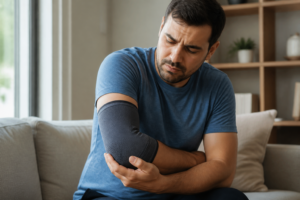
Six months ago, I could not lift a coffee mug with my right hand without wincing. That sharp, burning ache that runs from the outside of your elbow straight down your forearm — if you have tennis elbow, you know exactly what I mean. Mine started after a long weekend of pulling weeds and swinging a hammer to fix a fence, and it just never went away. I tried rest, ice, a compression sleeve, and about four different over-the-counter creams before a friend who deals with the same issue mentioned she had been using Aspercreme lidocaine for tennis elbow flare-ups with real success. That planted a seed, and two weeks later I was deep into my own experiment.
What I needed was not another product that promised relief and delivered a mild warming tingle. I needed something that could quiet the nerve pain enough for me to get through a workday at my desk — typing is surprisingly brutal on lateral epicondylitis — and ideally let me sleep through the night without waking up in the middle of it to reposition my arm. After two full weeks of consistent daily use, I have a lot to say about whether this cream actually delivered on both fronts.
The Topical Lidocaine That Actually Numbs Tennis Elbow Without Systemic Side Effects
Tennis elbow pain is localized and often sharp—exactly what a topical numbing agent is designed for. Aspercreme’s 4% lidocaine formulation lets you target the painful area directly without taking oral pain relievers, which matters if you’re managing this long-term or want to avoid systemic effects.
What works
- Lidocaine is FDA-approved for topical pain relief and research supports its effectiveness for localized musculoskeletal pain—it numbs the area within 5–15 minutes and the effect lasts 2–4 hours per application.
- The 4% concentration is the max-strength OTC dose, so you’re not underdosing; most people report meaningful relief during flare-ups or before activities that aggravate the elbow.
- The aloe base keeps your skin from drying out with repeated use, which matters if you’re applying this multiple times daily over weeks—cheaper creams can leave the area irritated and cracked.
What doesn’t
- This is pain relief, not a cure—it masks symptoms but does nothing to address the underlying tendon inflammation or micro-tears, so you still need rest, eccentric exercises, or physical therapy to actually heal.
- If your tennis elbow is severe or accompanied by significant weakness or numbness, topical lidocaine alone won’t be enough; you need to rule out nerve involvement or more serious structural damage first.
Numbing cream is a tool for managing pain while you’re doing the actual work to recover—it’s not a standalone fix, and results depend on how consistently you use it alongside proper rest and mobility work. Aspercreme Lidocaine Pain Relief Cream Soothes Aggravated Nerves, Numbing Topical Analgesic with Max-Strength 4% Lidocaine & Moisturizing Aloe, 4.3 Oz., 2 pk
Aspercreme Lidocaine Pain Relief Cream Soothes Aggravated
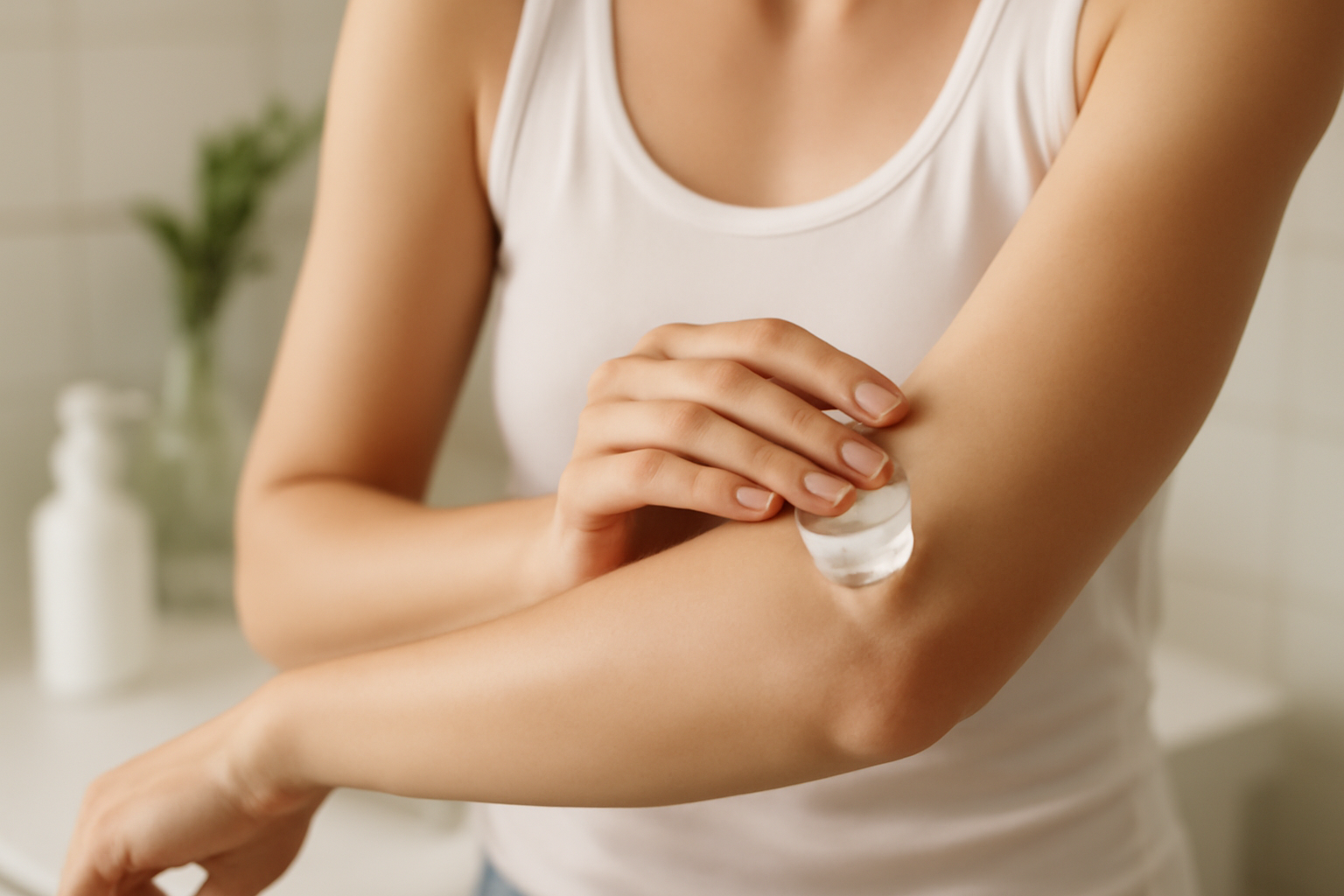
After two weeks of daily use, the lidocaine kicked in fast enough to manage my tennis elbow without irritating my skin.
Check Price on Amazon →This post contains affiliate links. As an Amazon Associate, I earn from qualifying purchases at no extra cost to you.