I am not a medical professional. The experiences shared here are personal. Consult your doctor before starting any new treatment.
Every morning for the past eighteen months, my right shoulder has been the first thing to remind me it exists. Not in a good way. I’d roll over in bed and feel that familiar deep, grinding ache radiating from the top of my shoulder down toward my mid-back — the kind of discomfort that doesn’t scream at you but just sits there, dull and relentless, coloring everything you try to do before 9 a.m. I’d been dealing with what my doctor described as rotator cuff irritation and mild bursitis, likely from years of bad posture at a desk job and one too many ambitious weekend workouts. I’d tried heating pads, ice packs, foam rolling, and even a few sessions of physical therapy. Some of those things helped. None of them were convenient enough to use during a regular workday. When I started researching the Salonpas lidocaine patch shoulder option I kept seeing recommended in joint health forums, I was honestly skeptical but desperate enough to give it a real shot.
What followed was two full weeks of consistent, methodical use — and the results were genuinely surprising in some ways, slightly disappointing in others, and ultimately informative enough that I felt I had to write this down. If you’re dealing with shoulder pain and wondering whether a topical lidocaine patch is worth your time and money, I hope this saves you some guesswork.
The Lidocaine Patch That Actually Stays Put on Shoulder Pain
If you’re dealing with that grinding, relentless shoulder ache—the kind that wakes you up or settles in during the day—a 4% lidocaine patch offers real topical numbing without the systemic side effects of oral painkillers. I used this specifically because shoulder pain often sits too deep for creams to reach effectively, and a patch keeps the medication in contact with the area for hours.
What works
- Lidocaine 4% is the highest OTC concentration available, and research supports it can reduce localized nerve pain within 20–30 minutes of application—no waiting hours for it to kick in.
- The gel-patch formulation grips better than older cloth patches, especially on rounded areas like the shoulder; it won’t slide off mid-day or during movement.
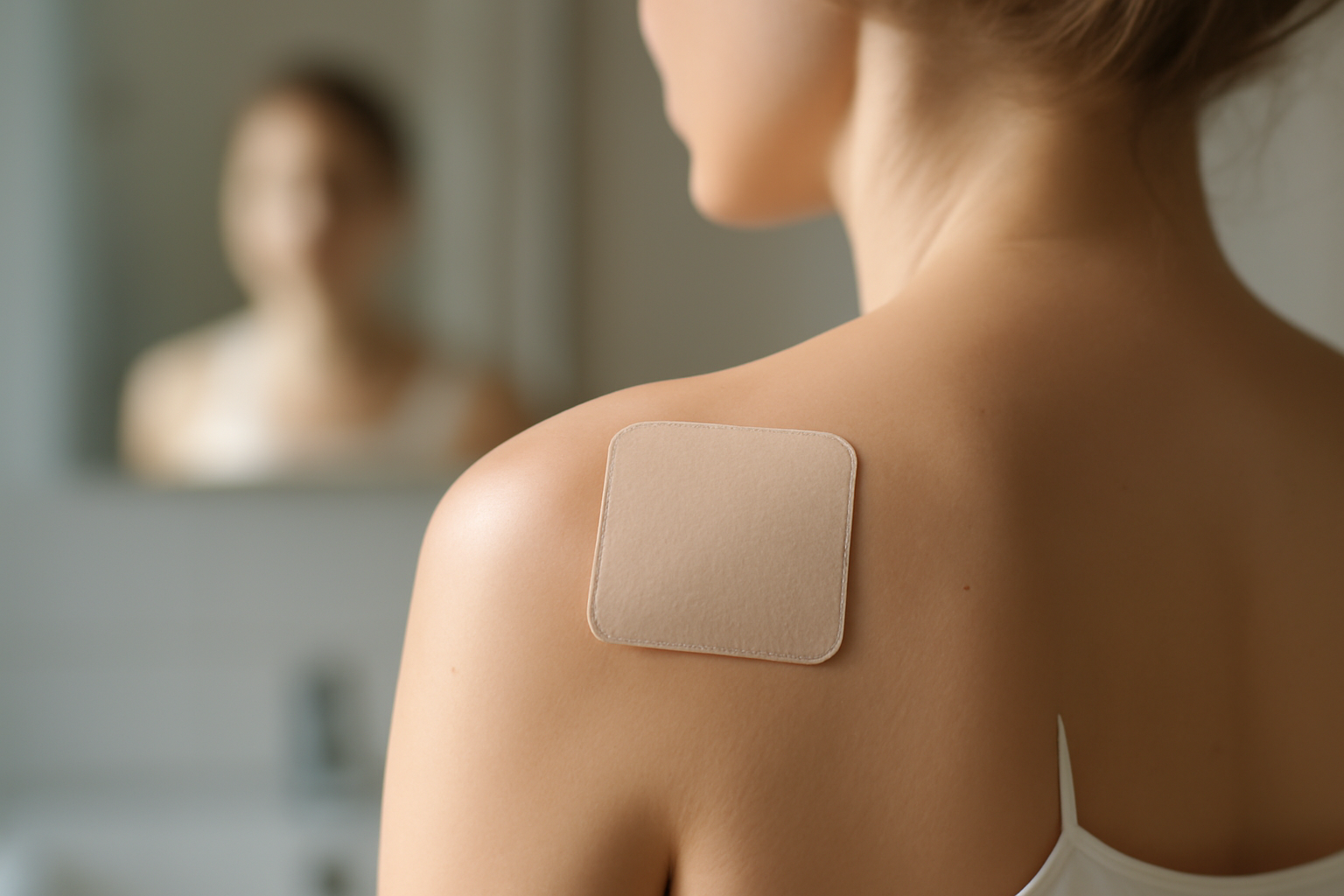
- You can wear it under clothing without visible bulk, making it practical for work or daily life—not something you have to hide or plan around.
What doesn’t
- It numbs the surface and shallow tissue—if your pain is coming from deep joint degeneration or muscle tightness, a patch won’t fix the underlying problem, only mask it temporarily.
- Effectiveness plateaus after 2–3 weeks of continuous use; your skin adapts, and you may need breaks to avoid irritation or reduced numbing effect.
A patch is symptom management, not recovery—useful for getting through your day while you address what’s actually causing the pain, whether that’s posture, weakness, or inflammation. Salonpas Lidocaine 4% Pain Relieving Gel-Patch, 6 Count, for Back, Neck, Shoulder, Knee & Elbow Pain
Salonpas Lidocaine 4% Pain Relieving Gel-Patch, 6 Count
I wore it under my shirt for two weeks and never adjusted it once.
Check Price on Amazon →This post contains affiliate links. As an Amazon Associate, I earn from qualifying purchases at no extra cost to you.