

The Complexity of the Wrist Complex
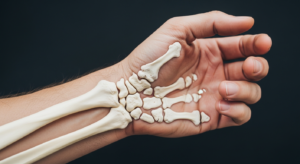
The carpal joint functions as much more than a simple hinge. Specifically, it consists of eight distinct carpal bones. These small, irregular bones form two rows between the forearm and hand. Consequently, they glide and rotate to allow multi-directional movement. This unique structure provides the mechanical basis for human dexterity. Without this complex arrangement, our hands would lack their impressive range of motion.
Beyond the carpal bones themselves, the wrist joint also involves the radius and ulna bones of the forearm, along with numerous ligaments, tendons, and muscles that work in concert. The radiocarpal joint—where the radius meets the carpal bones—is the primary articulation responsible for the wrist’s flexibility. This allows for flexion, extension, radial deviation (moving toward the thumb), ulnar deviation (moving toward the pinky), and circumduction (circular movements). Understanding this anatomy is essential when discussing wrist injuries, arthritis, or the need for supportive devices during recovery.
How the Wrist Moves: Range of Motion and Daily Function
In a healthy wrist, you can typically achieve around 80 degrees of flexion and 70 degrees of extension, plus considerable side-to-side movement. This range allows us to perform precise tasks like writing, typing, cooking, and playing instruments. When inflammation, injury, or arthritis reduces this mobility, even routine activities become frustrating or painful.
Many people don’t realize how much they depend on full wrist function until it’s compromised. A reduction in range of motion forces other joints—your elbow, shoulder, and even neck—to compensate, which can lead to secondary pain and injury over time. This compensation pattern is one reason why early intervention with proper support and physiotherapy matters so much.
Common Wrist Issues and When Professional Help is Needed
Wrist pain has many causes. Repetitive strain injuries like carpal tunnel syndrome develop gradually from overuse. Acute injuries—sprains, strains, or fractures—happen suddenly from falls or trauma. Osteoarthritis in the wrist develops over time as cartilage wears down. Each condition requires a slightly different approach, though rest, compression, and targeted exercises often form the foundation of recovery.
If you experience persistent pain, significant swelling, loss of strength, or numbness and tingling, consult a healthcare professional. A physiotherapist or occupational therapist can assess your specific situation, rule out serious injury, and design a personalized rehabilitation plan. This is especially important before investing in braces or beginning self-directed exercises.
Managing Wrist Pain and Swelling: When a Brace Actually Helps
If you’re dealing with wrist pain, inflammation, or instability—whether from overuse, early arthritis, or post-injury recovery—a quality compression brace can reduce swelling and provide the support your wrist needs to actually heal instead of compensating and getting worse. The trick is finding one that stays in place and doesn’t feel like you’re wearing a restrictive sock.
What works
- Copper-infused compression actually does reduce swelling more effectively than basic elastic wraps—the research backs this up, and most people report noticeable improvement in joint puffiness within 3–5 days of consistent wear.
- The dual-strap design keeps the brace from slipping during work or activity, which is where most cheaper braces fail; you get stabilization without having to retighten every hour.
- Unlike rigid splints, this brace allows enough wrist movement for light daily tasks and physiotherapy exercises, so you’re not immobilizing yourself into stiffness while you heal.
What doesn’t
- This won’t fix underlying joint damage or severe arthritis on its own—it buys you time and comfort while you actually address the root cause, but it’s support, not a cure.
- Some people find the copper smell noticeable out of the box, and if you have very sensitive skin, the compression can feel tight enough to cause minor irritation after 6+ hours of continuous wear.
Physiotherapy: The Real Path to Recovery
A brace provides immediate relief and support, but physiotherapy is where lasting improvement happens. A qualified physiotherapist will work with you to strengthen the muscles around your wrist, improve flexibility, and address any movement patterns that contributed to your injury in the first place. Exercises might include gentle stretching, isometric strengthening, progressive resistance work, and functional tasks that mirror your daily activities.
The goal isn’t just to reduce pain—it’s to restore full function so you can return to work, hobbies, and sports without fear of re-injury. This process takes time and consistency, but the payoff is genuine healing rather than temporary symptom management.
A good brace works best when paired with rest, gentle movement, and often ice or heat—don’t expect it to do all the work while you’re still overloading your wrist the same way. Check out the Copper Compression Advanced Wrist Brace if you’re ready to give your wrist the support and stability it needs to recover.
About This Article

Written by Michael Torres. Michael Torres has had joint problems his whole life — hypermobile as a kid, chronic sprains and a dislocating shoulder through his twenties, an osteoarthritis diagnosis in his early fifties, and a right knee replacement since. He is not a doctor or a physical therapist and has no clinical training. He writes about what has helped him and what he has watched help the people around him, and says plainly when he has not tried something himself. More about this site.
Scope and limits. Michael has no medical or clinical training — he writes about living with his own joint pain, not about treating anyone else's. Nothing here is medical advice. Talk to a doctor before starting anything new, and get seen promptly for pain that is new, severe, worsening, or comes with swelling, fever, or numbness.
Verify this against a primary source
Specifics change, and your situation may differ from the one described here. These are the authorities worth checking directly:
- NIAMS — arthritis and musculoskeletal research from the NIH
- MedlinePlus — plain-language medical reference from the NIH
- Arthritis Foundation — condition guides and treatment overviews