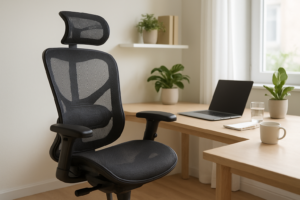
Take a moment right now and notice where your head is sitting. Is it directly above your shoulders, or is it creeping forward toward your screen? If you’re like most people I work with, it’s probably somewhere in between — and a posture quiz is one of the most useful tools for turning that vague sense of “my posture probably isn’t great” into something concrete and actionable. Posture problems are rarely random. Specific habits create specific patterns, and specific patterns create specific pain.
This post contains affiliate links. As an Amazon Associate I earn from qualifying purchases at no extra cost to you.
Something I always explain to people is that poor posture isn’t really a character flaw or a matter of laziness — it’s usually the predictable result of a modern lifestyle. We sit for long periods, we look down at phones, we carry bags on the same shoulder every day, and we rarely get the varied movement our bodies were designed for. Over time, these habits load particular joints and soft tissues in ways they weren’t built to sustain consistently. The result is a recognisable cluster of symptoms that, once you know what to look for, tells a very clear story.
The checklist below isn’t a diagnostic tool — nothing in a blog post can replace a proper clinical assessment — but it is a useful mirror. It maps out the most common postural risk factors I see in practice and flags whether they’re clustering together in your life. Even if you score low, reading through each item will help you understand the mechanisms involved. That understanding alone tends to change behaviour more effectively than any reminder to “sit up straight.”
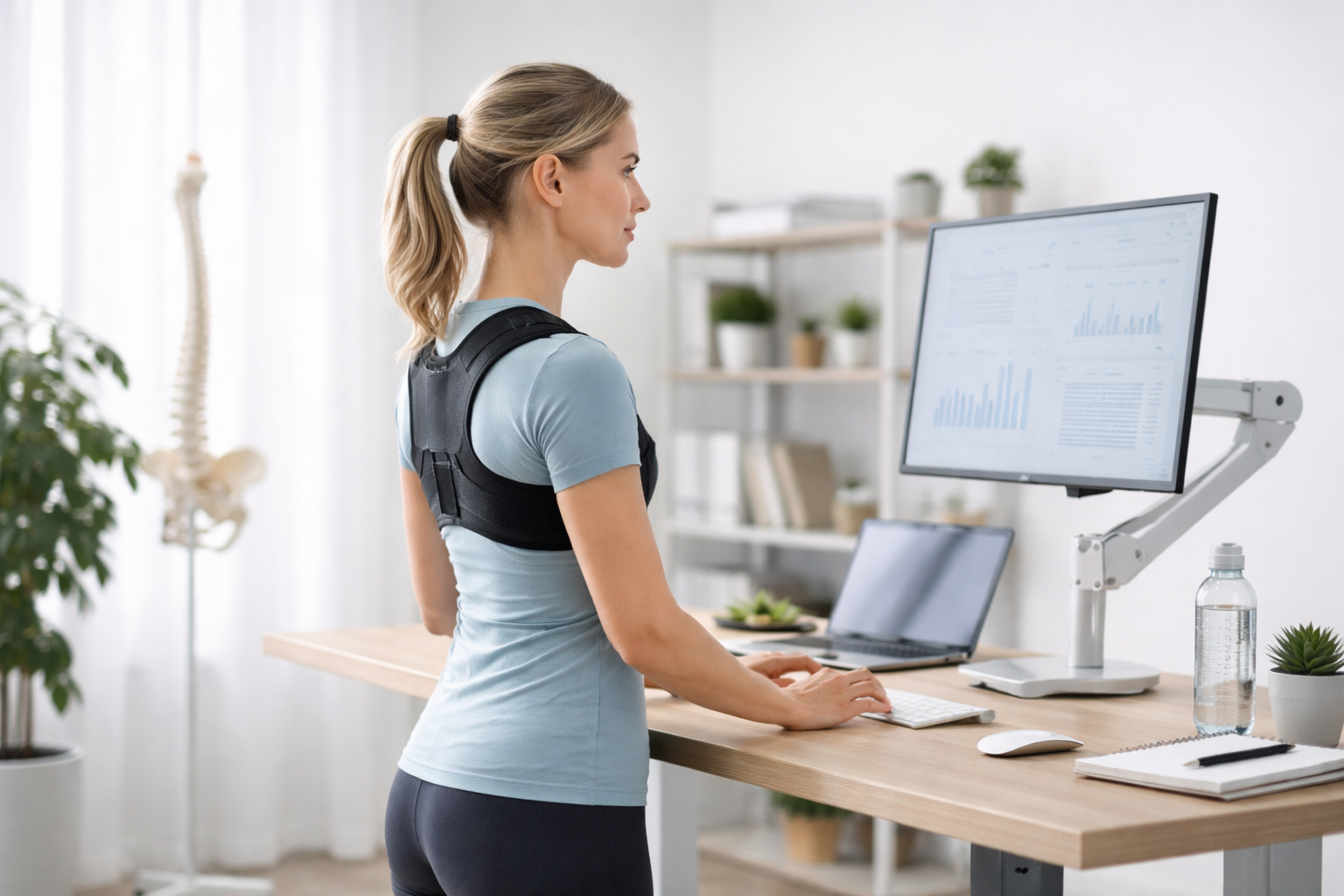
The Posture Symptom Checklist
Go through each question honestly. Think about your typical day, not your best day. There are no trick questions here — the goal is simply to map out which habits are present so you can understand what they may be contributing to.
- Does your head frequently jut forward of your shoulders when you are using a screen?
- Do your shoulders round forward rather than sitting back and down?
- Do you have an exaggerated forward curve in your lower back (anterior pelvic tilt — belly tilts forward)?
- Do you sit in a C-shape or slouch with your lower back unsupported for most of your working day?
- Do you experience neck pain, headaches, or upper back tension — particularly in the late afternoon?
- Do you spend more than 6 hours a day seated, with limited movement breaks?
- Do you carry a heavy bag or backpack consistently on one side?
- Does your pain ease significantly when you consciously correct your posture?
- Do you sleep on your front regularly (prone sleeping is the most mechanically stressful position for the spine)?
- Have you been told by a professional that your posture is contributing to your symptoms?
Give yourself 1 point for every “Yes.” Then check your score below.
What Your Score Means
0–3: Your postural habits appear relatively low-risk. That’s genuinely good news, and it’s worth acknowledging. Maintaining movement variety and ensuring your workspace is ergonomically set up are the most useful preventive steps at this stage. The research on sedentary behaviour consistently shows that even good posture held rigidly for hours creates loading problems — so variability and regular breaks remain the key habit to protect.
4–6: A moderate number of postural risk factors are present — particularly if screen time, bag carrying, and late-day neck pain are clustering together for you. This pattern is consistent with the early stages of what clinicians sometimes call “upper crossed syndrome” or lumbar postural strain, though a score here doesn’t confirm either. What I’d say is this: targeted exercises focusing on deep neck flexors, mid-back extensors, and hip flexor length, combined with some practical workspace adjustments, will make a real and relatively quick difference for most people in this range.
7–10: A significant accumulation of postural risk factors. I want to be clear — this is very common and very workable — but it does respond better to active intervention than to passive supports alone. If you’re in this range, a proper assessment with a physiotherapist, osteopath, or chiropractor is well worth pursuing. Specific strengthening work, ergonomic adjustment, and some attention to sleep position will all be relevant. The good news is that the body responds to changed loading relatively quickly when the approach is consistent.

Understanding the Pattern
In my experience, what makes posture-related joint pain so persistent is that it’s rarely about a single bad habit — it’s about compounding load over time. Take forward head posture as an example. Research published in journals examining spinal biomechanics has shown that for every inch the head moves forward of its neutral position, the effective load on the cervical spine approximately doubles. At a 45-degree forward angle — which is roughly the position many of us adopt looking at a phone — the force on the neck structures may be equivalent to carrying a weight of around 22 kilograms on the cervical vertebrae. That load, sustained for hours daily, has real consequences for the facet joints, intervertebral discs, and the surrounding musculature.
The pattern I look for is what’s often described as the “upper crossed” and “lower crossed” syndromes, first described by physiologist Vladimir Janda. In the upper body, prolonged screen use tends to create a predictable imbalance: the chest muscles and upper trapezius become tight and overactive, while the deep neck flexors and mid-back muscles become inhibited and weak. This pulls the head forward and the shoulders inward. In the lower body, prolonged sitting shortens the hip flexors and can inhibit the gluteal muscles, contributing to anterior pelvic tilt and increased lumbar loading. These aren’t just theoretical constructs — they’re patterns that show up consistently in clinical practice and are well-supported by the biomechanical literature.
What makes this clinically significant for joint health specifically is that these imbalances alter the way load is distributed across joint surfaces. Joints are designed to function optimally within a certain range of alignment. When posture chronically shifts that alignment — even subtly — the contact areas within joints change, cartilage may experience uneven stress, and the surrounding ligaments and tendons work at mechanical disadvantage. Over years, this may contribute to degenerative changes in the cervical and lumbar spine, shoulder impingement presentations, and hip joint loading issues. None of this is inevitable, and it’s genuinely reversible in many cases — but it does require understanding the pattern first, which is exactly what this kind of self-assessment is designed to help with.
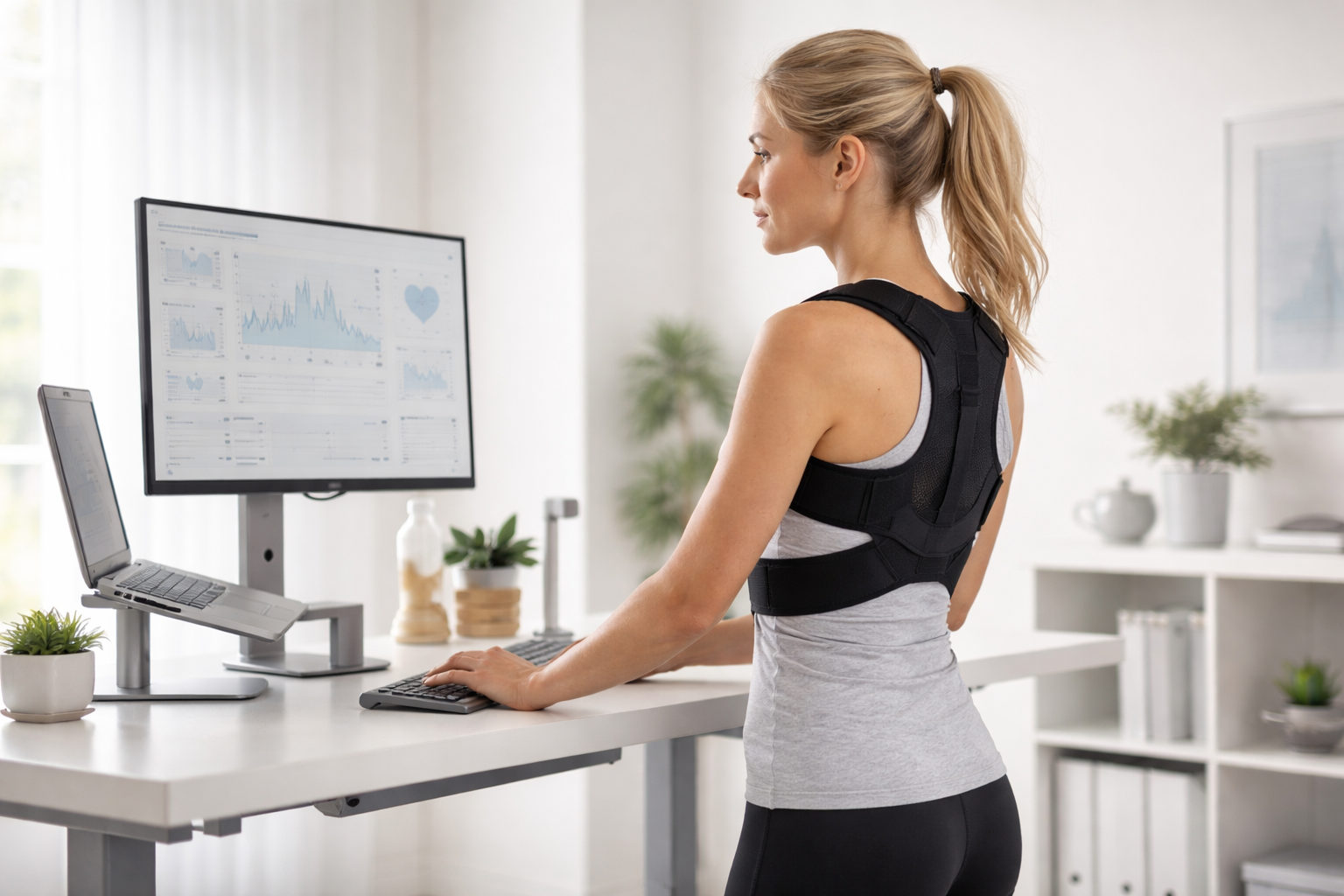
Take a Validated Posture Assessment
If this checklist has sparked some questions about your own posture patterns, these two structured online assessments are worth spending a few minutes with. They approach the topic from slightly different angles and together can give you a more rounded picture of where your habits may be creating risk.
- Centerworks Posture Quiz — an interactive quiz that explores clues about everyday aches and pains related to postural habits, with results that point toward specific areas of concern.
- Pearson Chiropractic Posture IQ Quiz — a true/false format quiz testing your knowledge of posture’s relationship to joint health, which is useful both as a self-assessment and as an educational tool.
As with any online health resource, please treat your results as a starting point for conversation rather than a conclusion. If your scores — here or on either of those quizzes — suggest significant postural risk factors, discussing the findings with a physiotherapist, osteopath, or your GP is always the most informed next step.
Products That Can Help While You Figure This Out
I want to be honest about where supports and correctors fit into the picture, because there’s often some confusion here. Posture braces and lumbar supports aren’t substitutes for strengthening work — but they can serve a genuinely useful function while you’re building better habits and addressing the underlying muscle imbalances. Think of them as a sensory reminder and a temporary offloading tool, not a long-term solution on their own.
If your checklist results suggest upper back and shoulder rounding is a key issue for you, the ComfyBrace Posture Corrector is a well-regarded option that provides mid and upper spine support across the neck, shoulder, clavicle, and back. It’s fully adjustable and breathable, which matters a great deal if you’re wearing it for extended periods during the workday. The key is to use it for focused periods — perhaps 30 to 60 minutes during screen work — rather than wearing it all day, which can actually reduce the muscular engagement you’re trying to build.
If your lower back is the primary area of concern — particularly if you scored “yes” on questions 4 and 6 about prolonged sitting and slouching — a good lumbar support cushion for your office chair can make a meaningful short-term difference. The Lumbar Support Pillow with Mesh Cover and Double Adjustable Straps fits most office and car seats, helps restore the natural lumbar curve that tends to flatten during long sitting sessions, and is practical enough to move between different chairs throughout your day. It won’t fix a posture problem on its own — but it can reduce the cumulative load on your lumbar discs and facet joints while you work on the bigger picture.
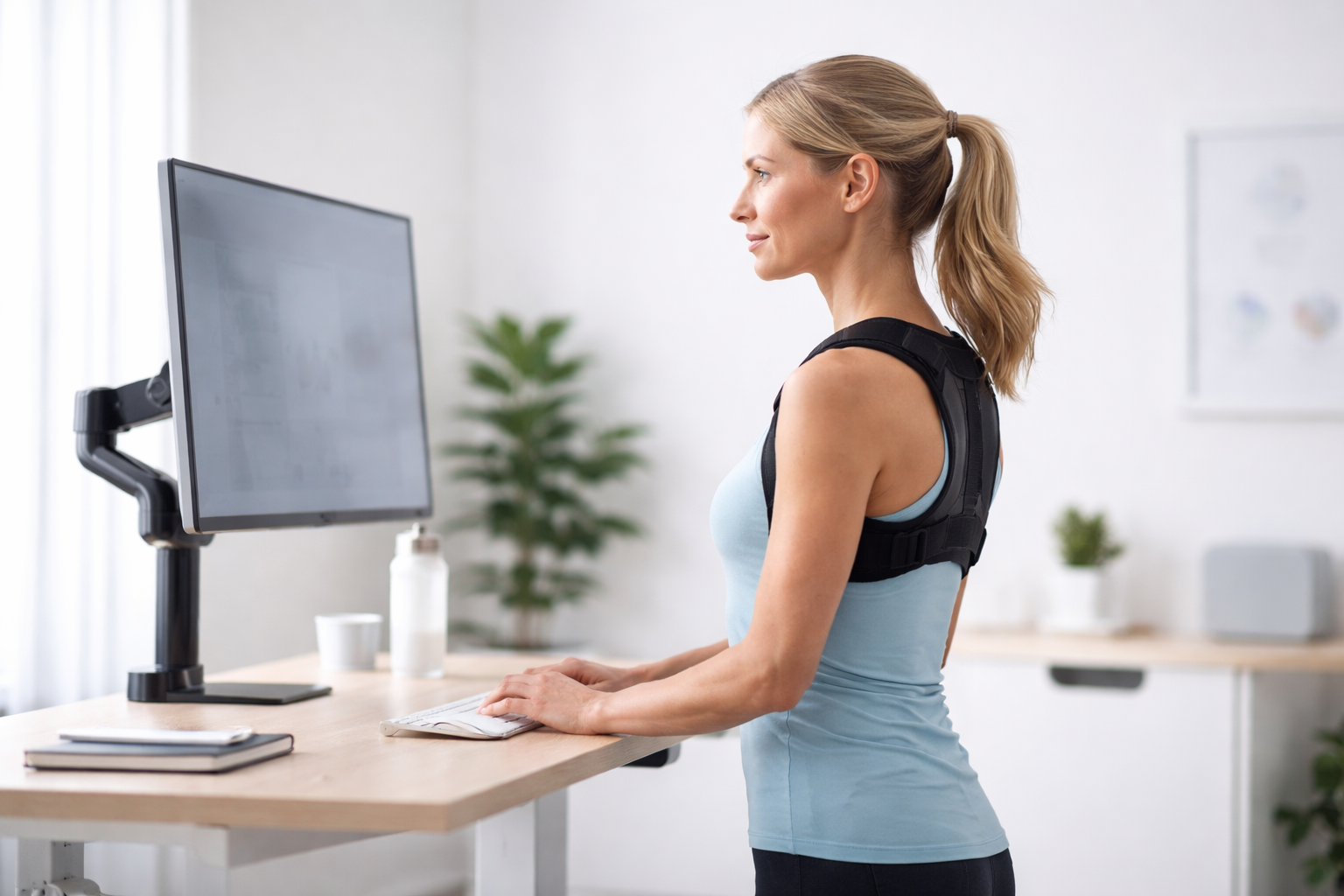
Wherever you landed on the checklist today, the most important thing to take away is this: posture-related joint problems are among the most responsive issues I see in clinical practice when people actually understand what’s driving them and make even modest, consistent changes. You don’t need to overhaul everything at once. Start with whichever one or two items on the checklist feel most true to your daily life, make one change this week, and build from there. Your joints are genuinely adaptable — they respond well to being loaded differently. Understanding your own pattern, as this quiz is designed to help you do, is always the most useful first step.