

You’re standing in the supplement aisle, bottle of joint support in hand, and a thought stops you: “Wait—will this work with my blood pressure medication?” It’s a smart question to pause and ask. I’ve been there myself, staring at ingredient lists and wondering if I’m about to create a problem while trying to solve one. The truth is, joint supplements and blood pressure medication can interact in real, documented ways—but the good news is that finding out whether yours will is faster and easier than you might think.
I’ve spent over 15 years managing my own joint issues and reading the research behind supplements. What I’ve learned is that asking about drug interactions isn’t paranoid—it’s responsible. Some of the most popular joint supplements do have real interaction potential with blood pressure medications, and some ingredient combinations can genuinely complicate your cardiovascular health. But I’m not a doctor, pharmacist, or clinician, and this post is general information only, not medical advice. Before starting, stopping, or changing any supplement or medication, you need to talk with your prescriber or pharmacist.
Let me walk you through the main concerns, why they matter, and most importantly—how to get a fast, free, expert answer about your specific situation.
Why This Question Matters: Joint Supplements Can Have Real Interaction Potential
The reason I’m writing this post is simple: it’s a question worth asking seriously. Supplements aren’t inert—they contain active compounds, and those compounds can interact with prescription medications in ways that matter.
If you’re taking blood pressure medication, your doctor has carefully chosen a drug (or combination of drugs) to keep your cardiovascular system in a specific target range. A supplement that lowers blood pressure further, thins your blood, or affects your electrolytes can push things out of that balance. Conversely, some supplements might blunt the effect of your medication, making it work less well than intended. Neither outcome is what you want.
The good news? This isn’t mysterious or hard to check. A pharmacist can look at your actual medication list and the actual ingredient panel of the supplement you’re considering and give you a clear answer in about two minutes. That’s the real solution to this question, and I’ll come back to it.
Joint Supplements and Blood Pressure Medication: The Main Ones to Know About
Here are the joint-support ingredients that come up most often when people ask what joint supplement to take with blood pressure medication — and why they matter:
Turmeric and Curcumin
Turmeric is popular for joint inflammation, and the research on it is genuinely interesting. But here’s what matters: curcumin (turmeric’s active compound) may have mild blood-pressure-lowering effects of its own. If you’re already on a medication doing the same job, the combination might lower your pressure more than intended. Beyond that, turmeric has antiplatelet properties—meaning it may slightly thin your blood. If you’re also taking an anticoagulant (like warfarin) or antiplatelet medication (like aspirin at therapeutic doses), this interaction becomes more relevant. The practical takeaway: turmeric and blood pressure medication interaction is worth checking with your pharmacist before combining them.
Ginger
Ginger shares some properties with turmeric—it has mild blood-pressure effects and antiplatelet activity. Many people use it for joint comfort, but the same anticoagulation concern applies, especially at high doses or in concentrated forms.
Fish Oil and Omega-3 Fatty Acids
Fish oil may help with both joint health and cardiovascular function. At normal dietary doses, it’s generally well-tolerated. However, at higher supplemental doses (the kind sometimes used for inflammation support), it can have mild blood-pressure-lowering effects and may increase bleeding risk, especially if you’re on anticoagulants. This is one where dose really matters, and a pharmacist’s input is valuable.
Glucosamine and Chondroitin
Here’s some reassuring news: whether glucosamine is safe with blood pressure medicine is less of a direct concern than with some other supplements. Glucosamine itself doesn’t typically interact with blood pressure medications. However—and this is important—glucosamine-chondroitin combinations sometimes contain extra sodium or potassium salts as fillers or binders. If you’re on an ACE inhibitor, ARB, or potassium-sparing diuretic (medications that affect electrolyte balance), those salts matter. Also, there are isolated reports of glucosamine-chondroitin and warfarin interaction, so if you’re on an anticoagulant, it’s worth mentioning to your pharmacist.
MSM and Collagen
These are lower-interaction ingredients overall, which is partly why they show up in so many “safe” supplement conversations. MSM (methylsulfonylmethane) and hydrolyzed collagen peptides don’t have documented significant interactions with blood pressure medications. That said, “lower risk” doesn’t mean “zero risk”—and any supplement can be an outlier in any individual’s system.
Licorice Root (The One to Watch)
If there’s one ingredient you should actively scan for on a label, it’s licorice root. This is different from most other joint supplements—licorice actually raises blood pressure and can deplete potassium. If you’re on blood pressure medication, you don’t want this working against your treatment. Check the ingredient panel carefully, especially in herbal blends or “traditional” formulations.
NSAIDs and Natural Anti-Inflammatory Blends
Some joint support products contain NSAIDs (like ibuprofen) or are marketed as “natural anti-inflammatory” blends. This matters because NSAIDs themselves can blunt the effectiveness of several blood pressure medications and increase cardiovascular risk in certain populations. If your supplement contains any NSAID or is heavy on natural anti-inflammatory botanicals, your pharmacist needs to know.
Understanding Joint Supplement Drug Interactions: The Practical Approach
So—how do you actually figure out if your supplement is safe for you? Here’s what works:
- Read the full ingredient panel. Don’t just look at the front label. Turn the bottle over and read every single ingredient, including any “proprietary blend” items. Write them down or take a photo.
- Bring the actual bottle to your pharmacy. Your pharmacist can cross-reference the ingredients with your exact medication list in minutes. This is free, fast, and expert. They’ve checked these interactions thousands of times and know the real risks versus the theoretical ones.
- Introduce one supplement at a time. If you’re starting multiple new supplements, you won’t know which one caused a problem if something shifts. Add them one at a time, spaced a few weeks apart if possible.
- Monitor your blood pressure at home for a few weeks after starting anything new. If you have a home monitor (and many people on blood pressure medication do), take readings regularly after introducing a new supplement. If you notice a trend—your numbers creeping up or down—talk to your doctor.
- Tell your prescriber before any surgery. Many supplements have bleeding or anesthesia implications. If you’re planning a procedure, mention everything you’re taking.
Critical reminder: Never stop a prescribed blood pressure medication in favor of a supplement. Blood pressure medication exists because your doctor determined it’s necessary for your health. A supplement can support your joint health, but it is not a replacement for cardiovascular treatment.
What I Recommend: A Lower-Interaction Option Worth Trying
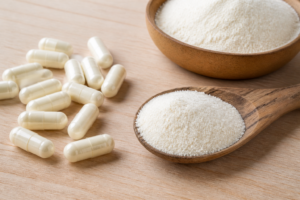
If you’re looking for a joint supplement with minimal interaction risk, I’ve had good experience with collagen-based products. Multi Collagen Peptides (hydrolyzed types I, II, III, V, and X in 120-capsule form) is a solid choice. Hydrolyzed collagen peptides are absorbed well, support connective tissue directly, and don’t have significant documented interactions with blood pressure medications. That said—check with your pharmacist before you start it anyway. Your situation is yours alone, and a two-minute conversation with someone who knows your full medication list beats any general recommendation.
The Real Answer: Your Pharmacist Is Your Expert Resource
I’ve spent this post explaining joint supplement drug interactions in general because I think it’s important to understand why the question matters. But the real answer to your question—”Is this safe for me?”—isn’t in a blog post. It’s at your pharmacy, in a two-minute conversation with someone who has access to your actual medication list and can look up the actual supplement ingredients.
Pharmacists are trained, licensed, and free to consult. They do this dozens of times a day. Bring the bottle, ask the question, and listen to what they say. That’s how you get a real, personalized answer.
This is general educational information and not medical advice. Always consult your doctor or pharmacist before starting, stopping, or changing any supplement or medication.
Managing your joints while protecting your cardiovascular health isn’t about choosing one or the other—it’s about doing both thoughtfully. You’re already asking the right questions. Take the next step, talk to your pharmacist, and move forward with confidence.
About This Article

Written by Michael Torres. Michael Torres has had joint problems his whole life — hypermobile as a kid, chronic sprains and a dislocating shoulder through his twenties, an osteoarthritis diagnosis in his early fifties, and a right knee replacement since. He is not a doctor or a physical therapist and has no clinical training. He writes about what has helped him and what he has watched help the people around him, and says plainly when he has not tried something himself. More about this site.
Scope and limits. Michael has no medical or clinical training — he writes about living with his own joint pain, not about treating anyone else's. Nothing here is medical advice. Talk to a doctor before starting anything new, and get seen promptly for pain that is new, severe, worsening, or comes with swelling, fever, or numbness.
Verify this against a primary source
Specifics change, and your situation may differ from the one described here. These are the authorities worth checking directly:
- NIAMS — arthritis and musculoskeletal research from the NIH
- MedlinePlus — plain-language medical reference from the NIH
- Arthritis Foundation — condition guides and treatment overviews