
You’re sitting in your doctor’s office or PT clinic, and they mention you need “back support.” But then they start talking about whether you need a brace or a sleeve, and suddenly you’re confused. Are they the same thing? Will one work better than the other? What’s the actual back brace vs back sleeve difference, and how do you know which one is right for your situation?
I’ve had this conversation countless times with patients, and I understand the confusion completely. The terms get used interchangeably in everyday conversation, but when it comes to supporting your back—whether you’re recovering from an injury, managing chronic pain, or getting back to the gym—knowing the difference between a back brace and a back sleeve can genuinely impact how well you recover and how comfortable you feel.
Let me break this down for you in a way that makes sense, so you can make an informed decision about which support your body actually needs.
What Is the Difference Between a Back Brace and Back Sleeve?
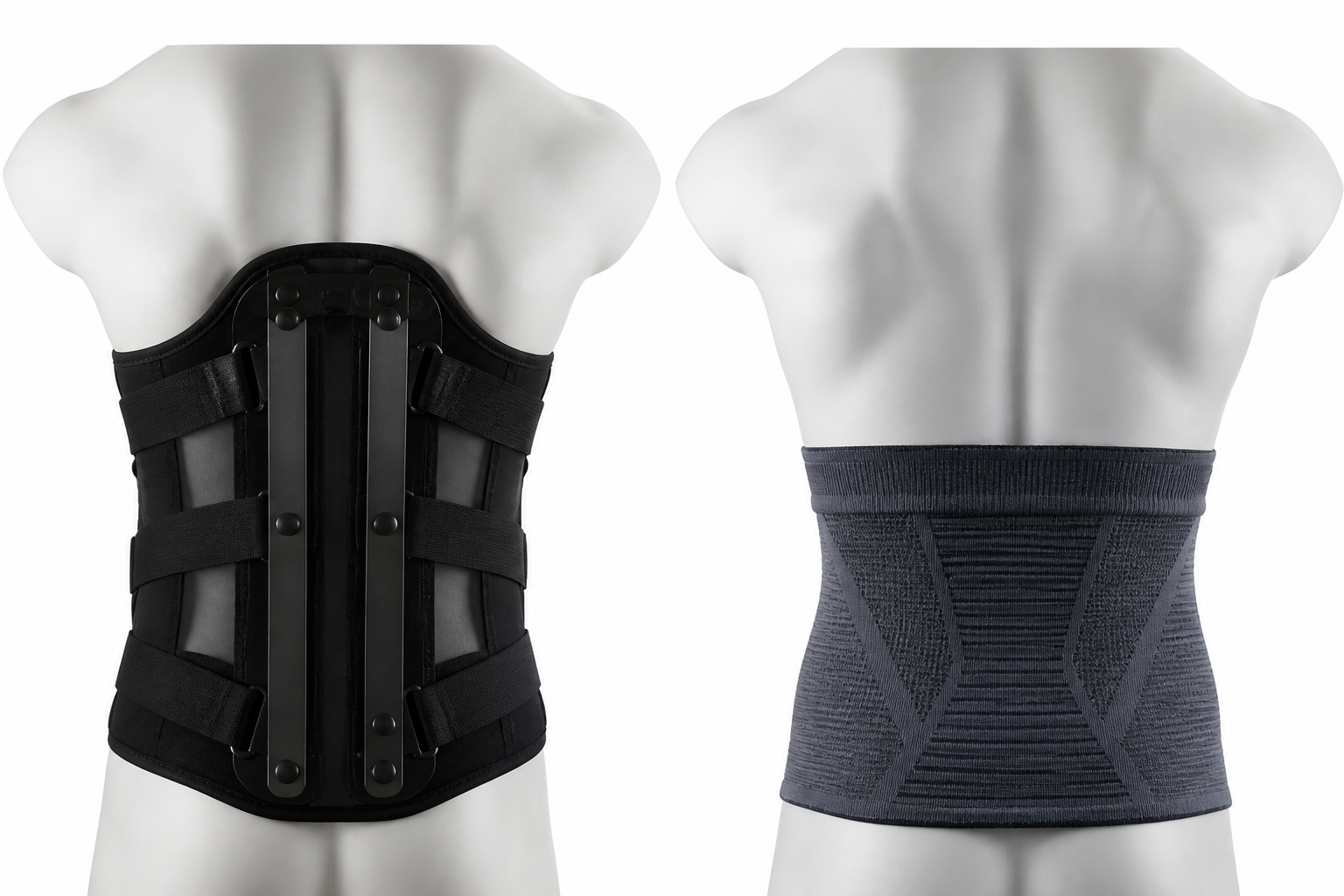
The core distinction between these two comes down to structure and support level. Think of it this way: a back sleeve is like wearing a compression shirt, while a back brace is more like putting on a piece of equipment.
Back Sleeves: Flexible Compression
A back sleeve (also called a compression sleeve or support sleeve) is made from stretchy, flexible fabric—typically neoprene or similar breathable materials. It slides on like clothing and provides gentle, uniform compression around your back and core. Think of it as a hug for your back.
Back sleeves are lightweight, discreet, and can easily be worn under clothing. Many people wear them all day without much thought. The compression helps with:
- Mild to moderate muscle soreness
- General back fatigue from daily activities
- Warming the muscles during exercise
- Proprioceptive feedback (helping your body sense proper alignment)
Back Braces: Rigid Support
A back brace is a more substantial device that includes rigid or semi-rigid components—often metal stays, plastic panels, or reinforced support systems. These braces are designed to limit motion and provide maximum stabilization. They’re bulkier and more visible, which is why you typically wear them for specific situations rather than all day.
Back braces excel at:
- Restricting excessive spinal movement during recovery
- Supporting acute injuries like sprains or strains
- Post-surgical protection and stabilization
- Preventing harmful movements that aggravate existing conditions
When Should You Use Each Type of Support?
Understanding the back brace vs back sleeve difference is helpful, but the real question is: which one do you actually need right now? That depends on your situation.
Choose a Back Sleeve If:
- You have mild, chronic back pain or general discomfort
- You want daily support during work or light activities
- You’re exercising and want compression and warmth
- You need something discreet that fits under normal clothing
- You’re in the maintenance phase of recovery (weeks 3+ after an injury)
- Your PT recommends “light compression support”
Choose a Back Brace If:
- You have an acute injury (fresh strain, sprain, or herniated disc)
- You’re recovering from back surgery
- You’ve been diagnosed with a condition requiring motion restriction
- Your doctor or PT specifically recommended a “brace” or “rigid support”
- You need maximum stabilization during specific activities
- You have moderate to severe pain that requires more than compression
Pros and Cons: Finding What Works for You
Back Sleeve Advantages and Disadvantages
Advantages:
- Easy to put on and take off
- Comfortable for extended wear
- Breathable and discreet
- Affordable and accessible
- Allows natural movement while providing gentle support
Disadvantages:
- Limited support for serious injuries
- Compression benefits decrease with wear (fabric loses elasticity)
- Won’t restrict harmful movements effectively
- May not provide enough stabilization post-surgery
Back Brace Advantages and Disadvantages
Advantages:
- Provides maximum stabilization and motion restriction
- Ideal for acute injuries and post-surgical recovery
- Rigid components maintain support consistently
- Prevents re-injury during critical healing phases
Disadvantages:
- Bulkier and more visible under clothing
- More expensive than sleeves
- Can feel restrictive or uncomfortable during extended wear
- Requires proper fitting for effectiveness
- Prolonged use may lead to core muscle weakness (one reason they’re temporary solutions)
What I Recommend: A Practical Solution
If you’re dealing with moderate back pain or recovery from a recent injury, I often suggest starting with a quality back brace that combines structure with wearability. The FEATOL Back Brace Support Belt is worth considering. It features adjustable support straps, a removable lumbar pad, and a design that works for both men and women. Many people find relief with this style of brace because it provides the rigid support you need during acute phases while remaining adjustable enough for comfort as you improve.
What makes this option practical is that you can customize the level of support based on how you’re feeling day to day. The removable lumbar pad is particularly useful if you need extra support in the lower back—a common problem area. Whether you’re managing sciatica, a herniated disc, or general back strain, having this flexibility matters.
How to Choose: The Right Fit for Your Needs
About This Article

Written by Michael Torres. Michael Torres has had joint problems his whole life — hypermobile as a kid, chronic sprains and a dislocating shoulder through his twenties, an osteoarthritis diagnosis in his early fifties, and a right knee replacement since. He is not a doctor or a physical therapist and has no clinical training. He writes about what has helped him and what he has watched help the people around him, and says plainly when he has not tried something himself. More about this site.
Scope and limits. Michael has no medical or clinical training — he writes about living with his own joint pain, not about treating anyone else's. Nothing here is medical advice. Talk to a doctor before starting anything new, and get seen promptly for pain that is new, severe, worsening, or comes with swelling, fever, or numbness.
Verify this against a primary source
Specifics change, and your situation may differ from the one described here. These are the authorities worth checking directly:
- NIAMS — arthritis and musculoskeletal research from the NIH
- MedlinePlus — plain-language medical reference from the NIH
- Arthritis Foundation — condition guides and treatment overviews