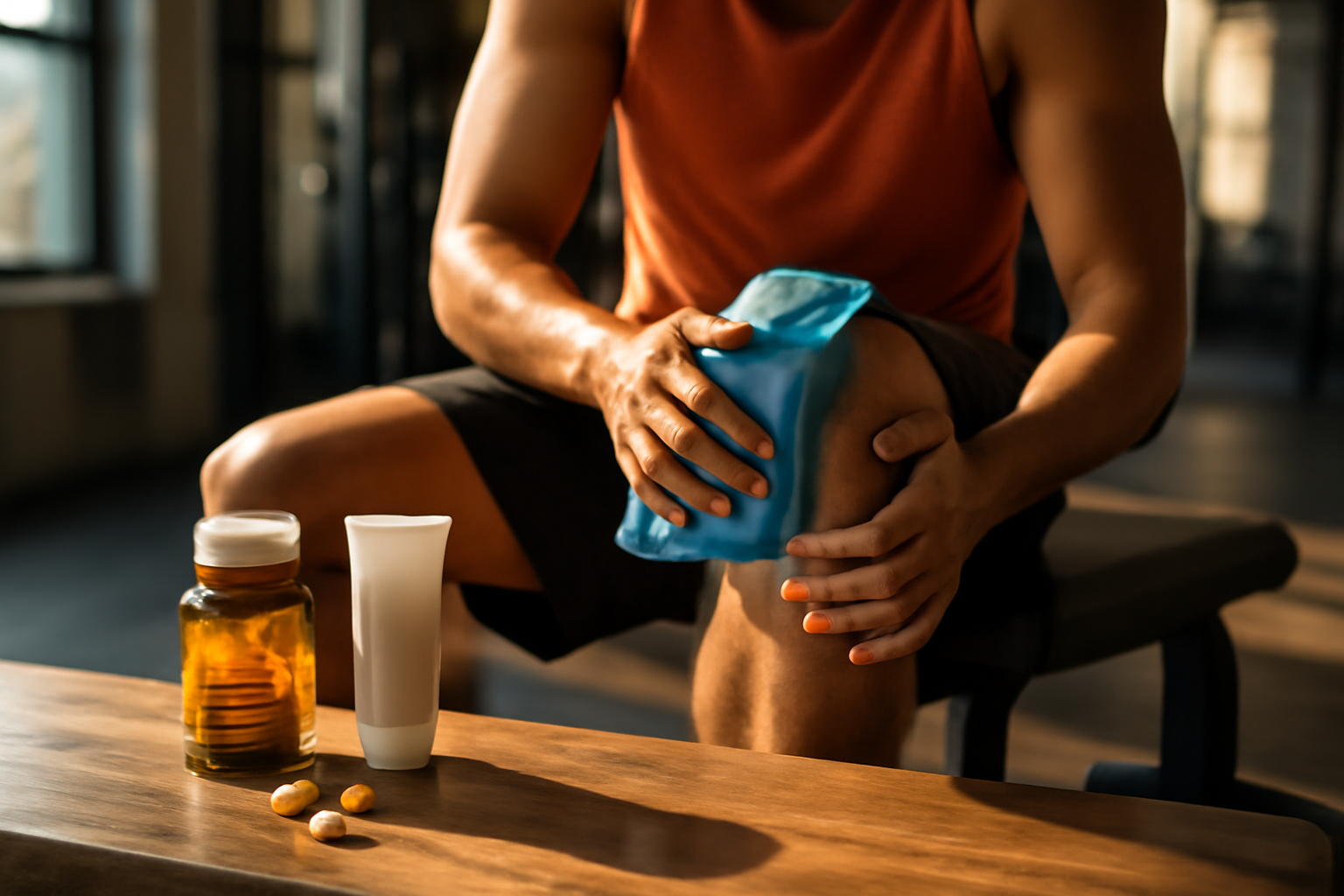

One of the most common questions I get after someone rolls an ankle or tweaks a knee isn’t “what pain reliever should I use” — it’s “when do I do what.” That’s the part that trips people up. Ice too long and too late, jump back into activity too early, or sit still for two weeks when you should have been moving gently by day four — and recovery drags out longer than it needed to. What actually helps your joints depends heavily on where you are in the healing timeline, not just which product is sitting in your cabinet.
Why Timing Matters More Than the Product You Choose
I’ve watched plenty of athletes and weekend warriors reach for the exact right tool at exactly the wrong time — icing a joint that’s been swollen and stiff for two weeks, or trying to “push through” active movement on day one when the area still needs protecting. Your joint tissue moves through fairly predictable phases after a sports injury, and what helps in one phase can actually slow you down in the next. Laying it out day by day has been the single most useful way I’ve found to explain this to people I work with.
None of this replaces a proper evaluation if something feels seriously wrong — significant swelling that doesn’t budge, inability to bear weight, or a joint that feels unstable are all reasons to get seen by a doctor or physical therapist rather than self-manage. What follows is the general timeline for the more common, garden-variety sports soreness and minor joint strains most active people deal with.
Days 1–3: Protect and Calm It Down
The first 72 hours are about limiting damage and getting swelling under control — not about aggressively “treating” the joint.
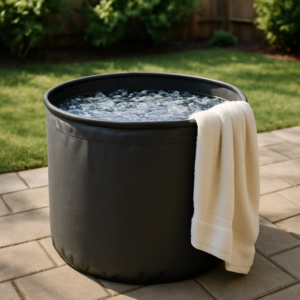
- Ice, not heat. 15–20 minutes at a time, several times a day, is enough. Longer sessions don’t speed anything up and can irritate the skin.
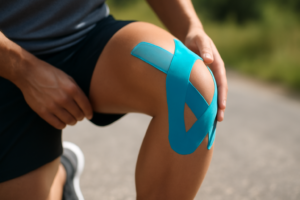
- Compression with an elastic wrap can help keep swelling from pooling in the joint, as long as it’s snug and not cutting off circulation — numbness or tingling means it’s too tight.
- Elevate the joint above heart level when you can, especially in the evening.
- Limit aggressive movement, but don’t go completely rigid — gentle range-of-motion within a pain-free zone is fine and often better than total immobilization.
This is not the window for a warming topical cream — heat and warming agents can increase blood flow to a joint that’s already inflamed and swollen, which usually makes days 1–3 feel worse, not better.
Days 4–7: The Transition Window
This is where most people either get it right or stall out. Acute swelling has usually started to settle, but the joint is still stiff, achy, and tentative. The goal shifts from “protect” to “gently restore.”
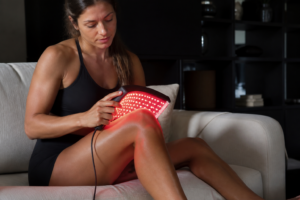
- Alternate ice and heat rather than relying on just one. Heat before activity to loosen things up, ice afterward if it flares.
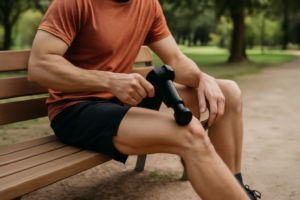
- Start light, controlled movement — walking, gentle range-of-motion drills, easy stationary cycling. The joint needs blood flow and light load to remodel properly; total rest this far out tends to leave things stiffer, not better.
- This is where a topical cream earns its place. Once you’re past the acute swelling phase and dealing with the day-to-day ache of a joint that’s healing but still cranky, something you can apply regularly without worrying about stacking it on top of oral medication becomes genuinely useful.
Why I reach for a non-absorbed topical here specifically
By days 4–7 you’re not managing acute inflammation anymore — you’re managing lingering stiffness and soreness, often multiple times a day as you test the joint with more movement. A cream that stays local rather than circulating through your system means you can apply it before a walk, after a light workout, and again before bed without the cumulative concerns that come with repeated oral anti-inflammatory use.
- Designed to absorb past the surface rather than sitting on top of the skin, so it’s actually reaching the area that’s sore, not just the skin over it.
- No systemic absorption means it fits naturally into a multiple-times-a-day routine during this stiff, achy transition window.
- The cooling sensation from the menthol and botanicals lasts longer than a quick flash, which is useful when you’re applying it before activity and want it to hold through a walk or light session.
It won’t do anything for actual structural damage, and if you’re still swollen and inflamed, you’re not in this window yet — go back to the days 1–3 approach instead. Penetrex Daily Joint & Muscle Care Cream
Week 2 and Beyond: Progressive Loading
By the second week, most minor sports-related joint strains are ready for real loading — not just tolerating movement, but rebuilding strength and stability around the joint.
- Progressive strengthening targeting the muscles around the joint, not just the joint itself, is what actually reduces the odds of re-injury. A shaky knee is usually a hip and quad strength problem as much as a knee problem.
- Reintroduce sport-specific movement gradually — cutting, jumping, and sprinting come back last, not first.
- Topical relief becomes situational rather than routine at this point — after a harder session, not before every single one.
- If pain is still limiting daily activity or hasn’t meaningfully improved by two to three weeks, that’s a signal to get evaluated rather than continue managing it solo — persistent pain past this point isn’t “normal soreness” anymore.
The through-line across all three phases: match what you’re doing to where the joint actually is in its healing process, not to what happens to be within arm’s reach. Getting that timing right does more for how quickly you’re back to full activity than any single product ever will.
About This Article

Written by Michael Torres. Michael Torres has had joint problems his whole life — hypermobile as a kid, chronic sprains and a dislocating shoulder through his twenties, an osteoarthritis diagnosis in his early fifties, and a right knee replacement since. He is not a doctor or a physical therapist and has no clinical training. He writes about what has helped him and what he has watched help the people around him, and says plainly when he has not tried something himself. More about this site.
Scope and limits. Michael has no medical or clinical training — he writes about living with his own joint pain, not about treating anyone else's. Nothing here is medical advice. Talk to a doctor before starting anything new, and get seen promptly for pain that is new, severe, worsening, or comes with swelling, fever, or numbness.
Verify this against a primary source
Specifics change, and your situation may differ from the one described here. These are the authorities worth checking directly:
- NIAMS — arthritis and musculoskeletal research from the NIH
- MedlinePlus — plain-language medical reference from the NIH
- Arthritis Foundation — condition guides and treatment overviews