
Cold plunges are everywhere right now — in recovery culture, on social media, at fancy gyms, and in the gear closets of people serious about mobility. So when I started experiencing nagging joint pain in my knees and shoulders from years of running and strength training, I figured it was worth testing whether a cold plunge for joint pain recovery actually delivered on the hype or if it was just another wellness trend designed to look dramatic on Instagram. I committed to four weeks of cold plunging after every workout, tracking swelling, morning stiffness, and pain levels with the same attention I usually reserve for mobility drills. What I found surprised me: cold plunges aren’t a magic fix, but when used strategically — and I mean strategically — they can be a legitimate tool in a joint health toolkit. The catch is that timing, duration, and knowing your own body matter far more than just dunking yourself in ice water and hoping for the best.
What I Actually Did (and How I Tracked It)
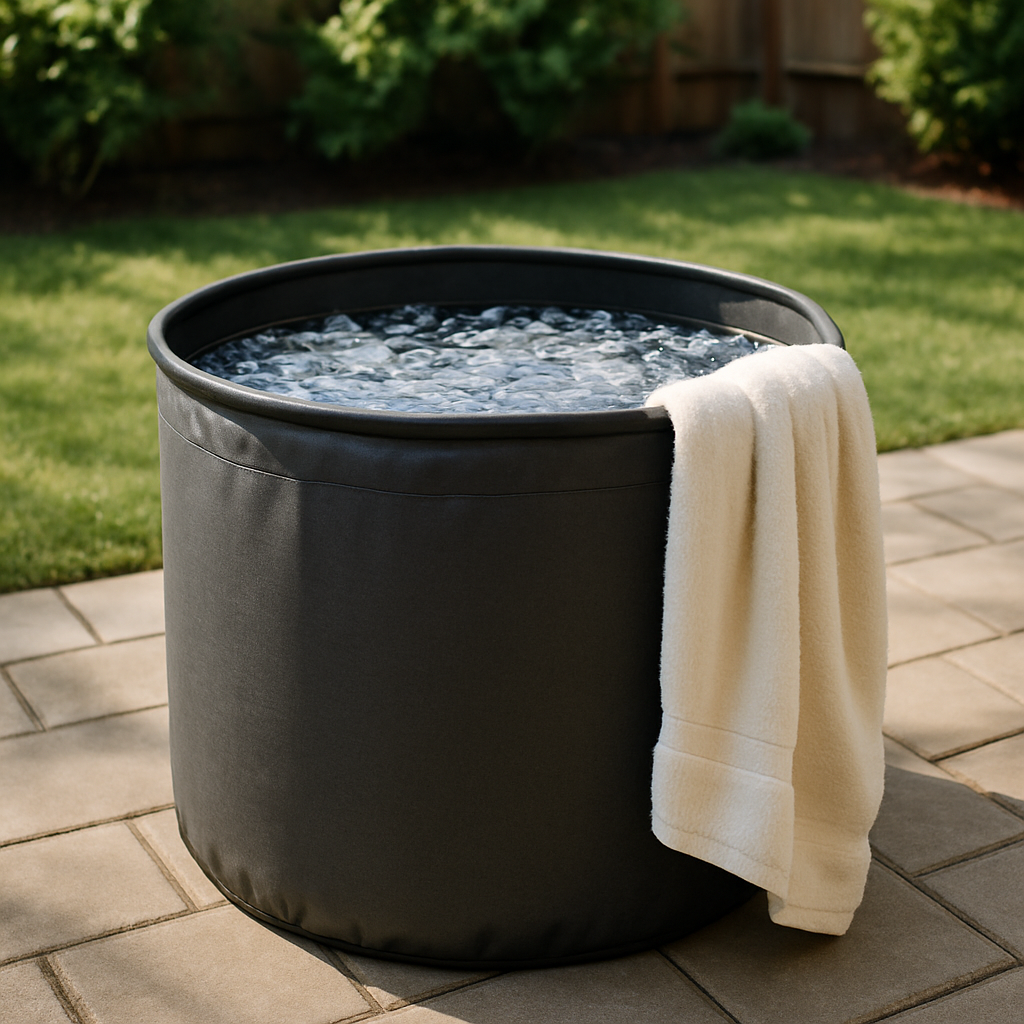
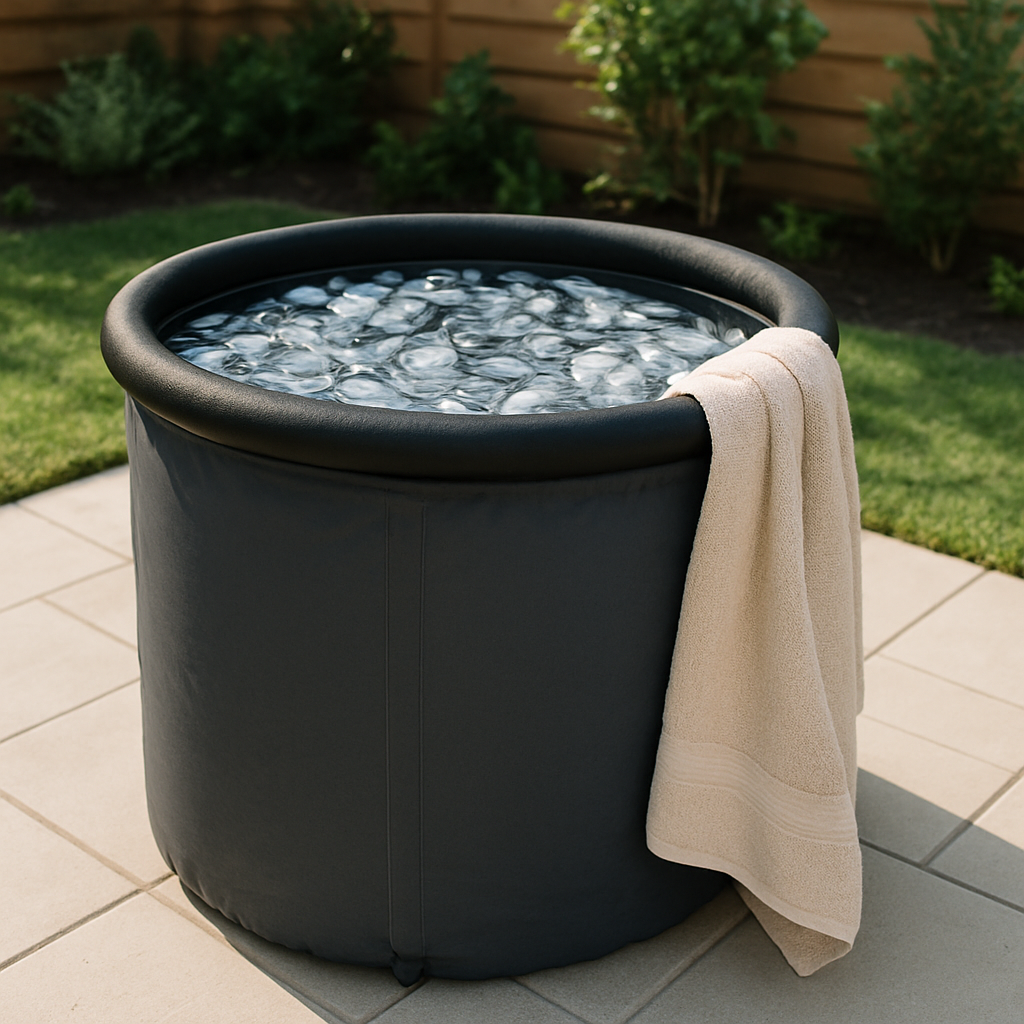
I’m not someone who jumps into things blindly, so I set up a simple tracking system before I started. Three days a week, after strength training or running sessions, I’d immerse myself in a portable cold plunge tub set to 50–55°F (10–13°C) for between 3 and 5 minutes. Every morning for the four weeks, I documented: the amount of swelling in my knees and shoulders (using a simple visual scale), how stiff I felt getting out of bed, and my perceived pain level on a 1–10 scale.
The first week was genuinely miserable. My body protested, my breath caught every single time, and I questioned why I was voluntarily sitting in ice water when I could be stretching like a normal person. By week two, the shock wore off slightly — adaptation is real — but I didn’t notice obvious changes in my joints yet. Weeks three and four are where things got interesting.
The Real Changes I Noticed
By the third week, I genuinely did feel a difference in morning stiffness. My knees — which have always been temperamental after lower-body work — felt noticeably less creaky when I first stood up. I’m not talking about pain vanishing entirely, but that gummy, restricted feeling I usually experience for the first 10–15 minutes after waking was compressed into maybe 5 minutes. That was worth noting.
The swelling reduction was more subtle, but measurable. Using my phone to take consistency-checked photos of my knees from the same angle, I could see the visual puffiness was down by the end of week three compared to baseline. Not dramatically, but noticeably. A physical therapist I consulted (more on that later) reminded me that this makes sense: cold constricts blood vessels temporarily, reducing inflammatory fluid accumulation in the joint space and surrounding tissues.
Here’s what surprised me most: the benefit wasn’t just from the cold itself. It was tied directly to when I did it. The mornings felt best when I’d cold plunged the day before, but within 24 hours of skipping a session, the stiffness and swelling crept back. This taught me that consistency matters more than intensity — a principle that doesn’t make for a great Instagram story, but it’s true.
What Cold Plunging Did NOT Fix
I want to be completely honest here: a cold plunge is not a substitute for addressing the underlying cause of joint pain. If you have poor movement patterns, weak stabilizer muscles, or biomechanical imbalances — which is what most joint pain actually stems from — sitting in cold water won’t fix that. It can help manage inflammation and speed recovery enough to let you train more consistently, which is genuinely useful. But it’s a supporting player, not the main event.
My shoulder pain, which I eventually realized was driven by tight pecs and weak scapular stabilizers, didn’t improve from cold plunging alone. It improved when I finally addressed those imbalances with targeted mobility work and strength training. The cold plunge just made the morning inflammation manageable enough that I could actually do that work without compensating.
The Practical Limitations (and Who This Isn’t For)
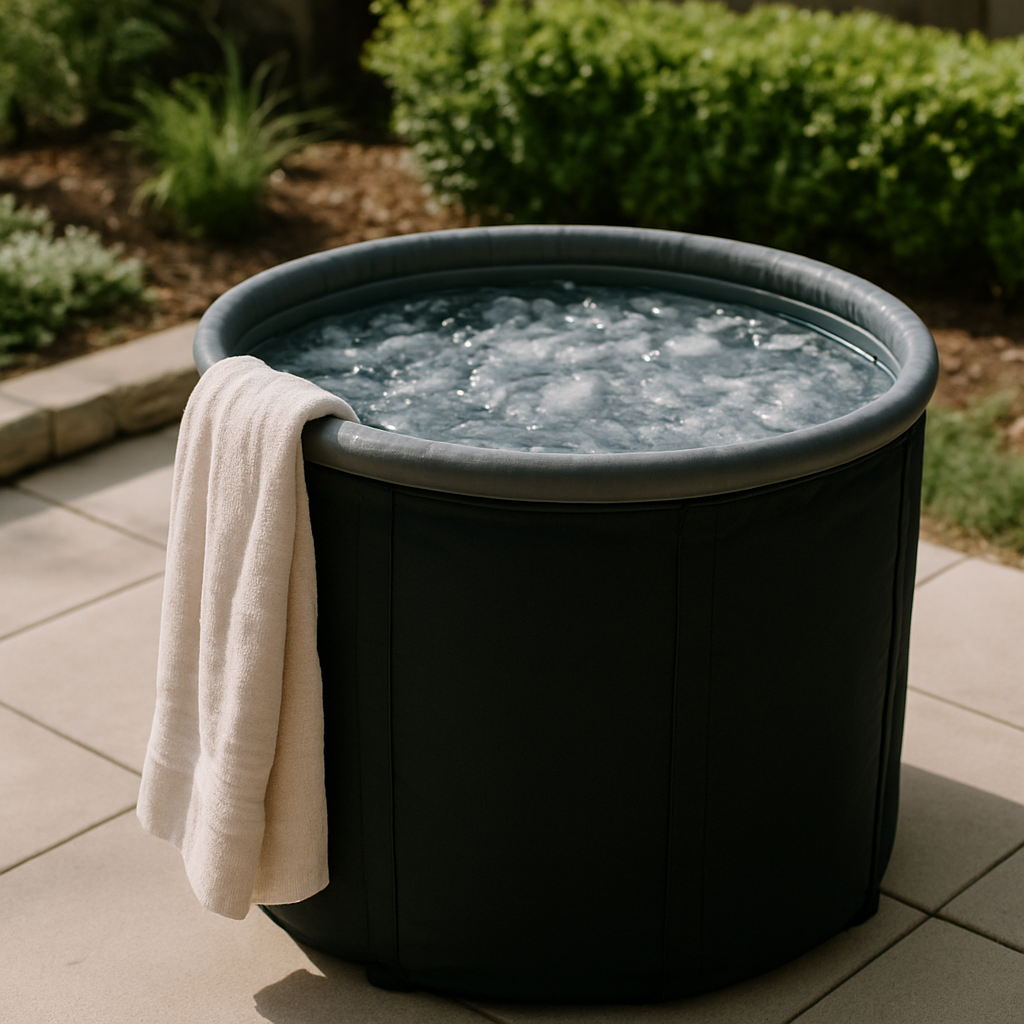
Accessibility is real. A portable cold plunge tub is not cheap, and honestly, not everyone has space for one or the time commitment to use it consistently. A cold plunge for joint pain recovery only works if you actually do it regularly — and if the barrier to entry is too high, that’s a legitimate reason to skip it and invest in something more practical for your situation.
There are also people for whom cold immersion isn’t appropriate: anyone with cardiovascular issues, severe Raynaud’s syndrome, or certain autoimmune conditions should talk to their doctor first. Cold plunging increases heart rate and blood pressure acutely, which is fine for healthy people but not universally safe. If you have joint conditions like active rheumatoid arthritis (where inflammation is driven by immune dysfunction rather than exercise-induced swelling), the evidence is less clear, and I’d defer to a rheumatologist’s guidance.
I also noticed that extremely long cold plunges — I experimented with 8–10 minutes in the second week — didn’t provide extra benefit. If anything, I felt slightly stiffer the next day, suggesting I’d overdone it. This taught me that “more cold isn’t more better,” a humbling reminder that recovery isn’t about punishment.
The Evidence Behind Cold and Joint Recovery
I reached out to my physical therapist before starting this experiment, and she gave me context I’d been missing. Cold immersion reduces localized inflammation by constricting blood vessels and slowing metabolic activity temporarily. This is helpful for acute swelling — like what happens after an intense workout — but it’s not a cure for chronic joint issues. The research on cold plunging specifically is still emerging; most of the solid evidence we have is on ice baths and cryotherapy for acute athletic recovery, not on chronic joint pain management.
What’s clear is that cold works best as part of a comprehensive approach: good movement patterns, adequate strength training, mobility work, and smart training volume. Think of it as one tool in a toolkit, not the entire toolkit.
My Honest Recommendation
If you’re dealing with exercise-induced joint swelling or stiffness, have access to a cold plunge, and can commit to using it consistently (ideally 3–5 minutes, 3–4 times a week), it’s worth a trial period of 3–4 weeks to see if you notice changes in morning stiffness or swelling. Track something specific so you can actually measure whether it’s helping you, not just whether it feels impressive.
But if cost, access, or time is a barrier, don’t sweat it. Ice baths, cold showers, or even ice packs applied strategically can provide similar acute benefits. And if your joint pain is driven by movement dysfunction or weakness, a cold plunge won’t be your answer — physical therapy, strength training, and mobility work will.
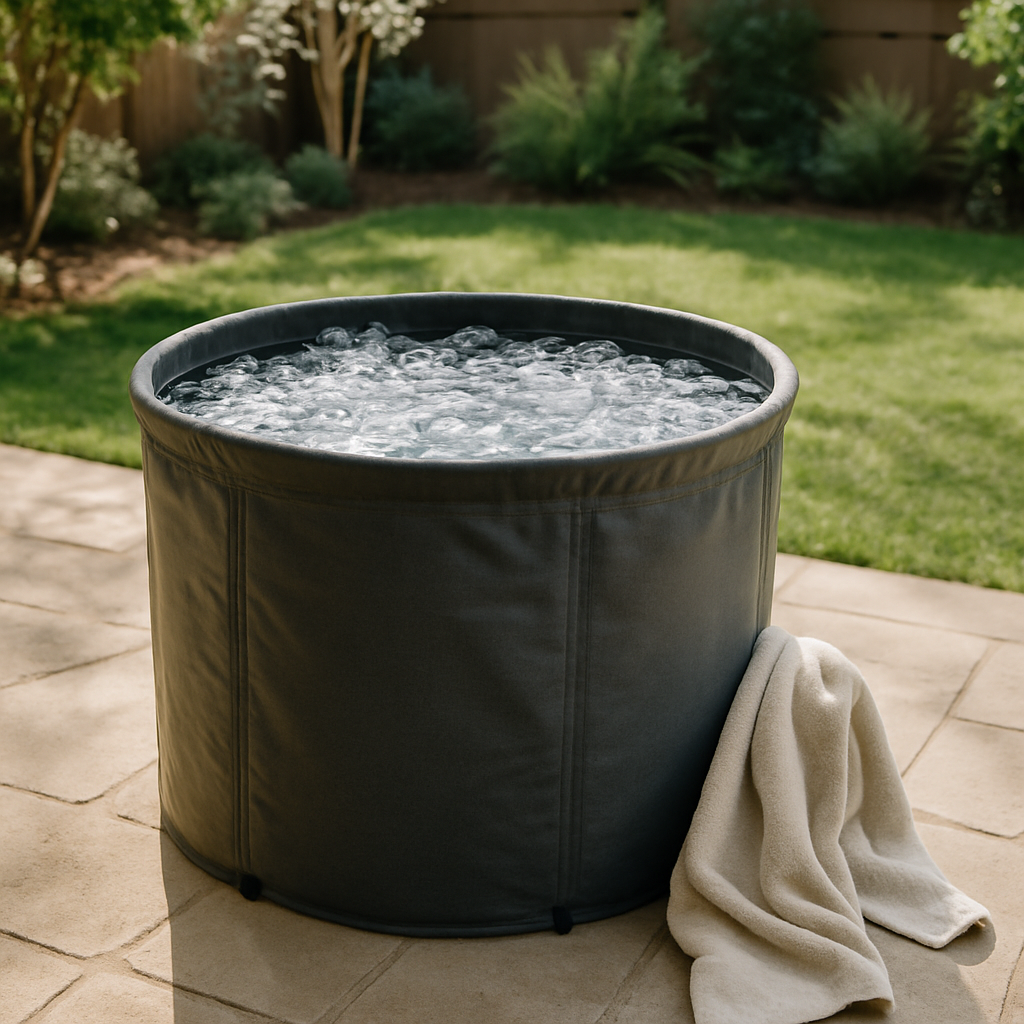
For me, after four weeks, I’m keeping cold plunging as part of my routine on high-volume training weeks. On lighter weeks, I skip it. It’s become a strategic tool rather than a dogma, which is how all recovery modalities should probably be approached. The hype is real, but it’s not magic. Your joints deserve better than magic anyway — they deserve consistency, good movement, and smart recovery choices. A cold plunge can support that. Just don’t expect it to be the whole story.
I am not a medical professional. The experiences shared here are personal and results vary from person to person. Talk to your doctor or physical therapist before starting any new brace, device, or exercise routine, especially if you have an existing joint condition.About This Article

Written by Michael Torres. Michael Torres has had joint problems his whole life — hypermobile as a kid, chronic sprains and a dislocating shoulder through his twenties, an osteoarthritis diagnosis in his early fifties, and a right knee replacement since. He is not a doctor or a physical therapist and has no clinical training. He writes about what has helped him and what he has watched help the people around him, and says plainly when he has not tried something himself. More about this site.
Scope and limits. Michael has no medical or clinical training — he writes about living with his own joint pain, not about treating anyone else's. Nothing here is medical advice. Talk to a doctor before starting anything new, and get seen promptly for pain that is new, severe, worsening, or comes with swelling, fever, or numbness.
Verify this against a primary source
Specifics change, and your situation may differ from the one described here. These are the authorities worth checking directly:
- NIAMS — arthritis and musculoskeletal research from the NIH
- MedlinePlus — plain-language medical reference from the NIH
- Arthritis Foundation — condition guides and treatment overviews