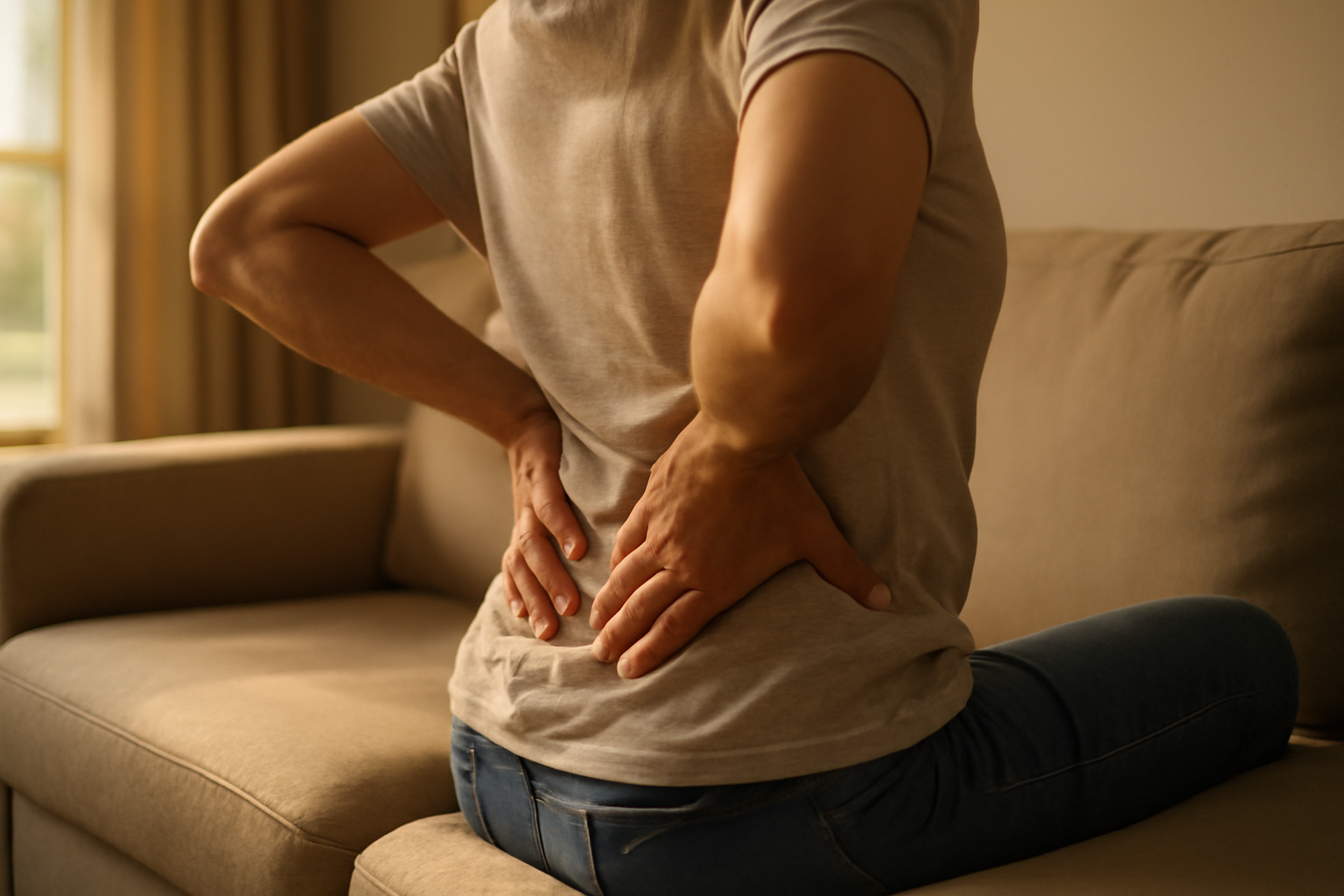

Picture this: you’ve been smoking for years, and lately your lower back has been giving you grief — a dull ache in the morning, stiffness that lingers, and hip discomfort that makes it hard to sit through a movie or walk the dog without wincing. You might have chalked it up to aging, a bad mattress, or too many hours at your desk. But here’s something worth knowing: the connection between smoking and back pain is more direct and more serious than most people realize — and understanding it could genuinely change how you approach your joint health.
Why Smoking and Back Pain Are More Connected Than You Think
I’ve worked with a lot of people who were genuinely surprised when I brought up their smoking habit in the context of their back and hip pain. It doesn’t feel like an obvious link — your lungs are up here, your spine is down there, right? But the body doesn’t work in isolated compartments, and cigarettes affect your joints in some pretty significant ways.
The biggest culprit is what smoking does to your circulation. Nicotine causes blood vessels to narrow, which means the small, nutrient-hungry structures in your spine — particularly the intervertebral discs — get less oxygen and fewer of the building blocks they need to stay healthy. These discs act like cushions between your vertebrae, and research suggests that reduced blood flow accelerates disc degeneration. Over time, this may lead to conditions like herniated discs, sciatica, and chronic lower back pain.
Your hip joints aren’t immune either. Smoking has been associated with reduced bone density and impaired cartilage repair, both of which can accelerate the wear-and-tear process in the hips. Some studies suggest smokers may develop osteoarthritis earlier and more severely than non-smokers. That’s a significant finding when you consider how central your hips are to nearly every movement you make throughout the day.
How Smoking Breaks Down Your Spinal Structure Over Time
Disc Degeneration Happens Faster
Your intervertebral discs have a very limited blood supply even under the best circumstances — they rely on a process called diffusion to pull in nutrients. Smoking constricts the vessels that support this process, which means your discs are essentially being slowly starved. Research suggests that smokers are significantly more likely to experience disc degeneration at a younger age than non-smokers. If you’ve already been diagnosed with a herniated disc or degenerative disc disease, smoking may be quietly making it worse.
Inflammation Gets Worse, Not Better
Chemicals in cigarette smoke — including carbon monoxide and free radicals — promote systemic inflammation throughout the body. Chronic low-grade inflammation is one of the key drivers of joint pain, and when it’s happening in and around your spinal joints and hip capsules, it creates a cycle that’s hard to break. You feel pain, you move less, your muscles weaken, and the joints take on more stress. Many people find that reducing inflammatory triggers in their lifestyle, including smoking, may help slow this cycle down.
Bone Density Suffers Too
Smoking interferes with the body’s ability to absorb calcium and may reduce estrogen levels in women, both of which play a role in maintaining strong bones. Weaker bones mean a more vulnerable spine and hips. This is especially concerning when you consider that the vertebrae and hip socket need to be structurally sound to bear the load of daily activity without breaking down prematurely.
What Actually Helps: Supporting Your Back and Hips While You Work Toward Change
Whether you’re actively working on quitting, cutting back, or simply trying to protect your joints in the meantime, there are practical things you can do today to reduce pain and give your spine and hips better support. These won’t undo the effects of smoking on their own, but many people find real relief by combining lifestyle changes with the right supportive tools.
Supporting Your Lower Back While You Address the Root Cause
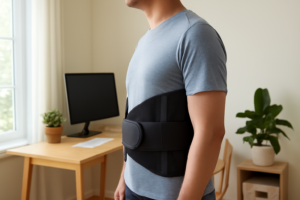
If you’re dealing with smoking-related back or hip pain, a quality back brace won’t reverse the vascular damage or restore disc hydration — but it can stabilize your spine during the months it takes to quit and let your joints begin recovering. Think of it as taking pressure off a problem area while you’re doing the harder work.
What works
- Provides genuine segmental support without over-restricting movement — you can still bend and walk naturally, which matters if you’re trying to stay active while quitting.
- Most users report noticeable relief from morning stiffness and sitting-related aches within the first week of consistent wear, especially during the vulnerable early weeks after quitting when inflammation can spike.
- Durable elastic construction holds up with daily use and washing, unlike cheaper braces that lose compression after a few months — important if you’re planning to wear this through an actual lifestyle change.
What doesn’t
- Won’t feel like much if you wear it for an hour and expect instant relief — benefit accumulates over consistent days and weeks of wear, not immediately.
- This is stabilization, not healing; if your pain stems from severe disc degeneration or nerve involvement (not just inflammation from smoking’s vascular effects), you’ll likely need imaging and possibly physical therapy in addition to bracing.
A brace buys you comfort and stability while your body does the real work — quitting — but it’s not a substitute for addressing the smoking habit itself. FEATOL Back Brace Support Belt
About This Article

Written by Michael Torres. Michael Torres has had joint problems his whole life — hypermobile as a kid, chronic sprains and a dislocating shoulder through his twenties, an osteoarthritis diagnosis in his early fifties, and a right knee replacement since. He is not a doctor or a physical therapist and has no clinical training. He writes about what has helped him and what he has watched help the people around him, and says plainly when he has not tried something himself. More about this site.
Scope and limits. Michael has no medical or clinical training — he writes about living with his own joint pain, not about treating anyone else's. Nothing here is medical advice. Talk to a doctor before starting anything new, and get seen promptly for pain that is new, severe, worsening, or comes with swelling, fever, or numbness.
Verify this against a primary source
Specifics change, and your situation may differ from the one described here. These are the authorities worth checking directly:
- NIAMS — arthritis and musculoskeletal research from the NIH
- MedlinePlus — plain-language medical reference from the NIH
- Arthritis Foundation — condition guides and treatment overviews