Knee pain affects millions of people worldwide. Many seek alternatives to conventional medications. Natural remedies offer promising options for managing discomfort and inflammation. These plant-based solutions have gained attention from both researchers and patients.
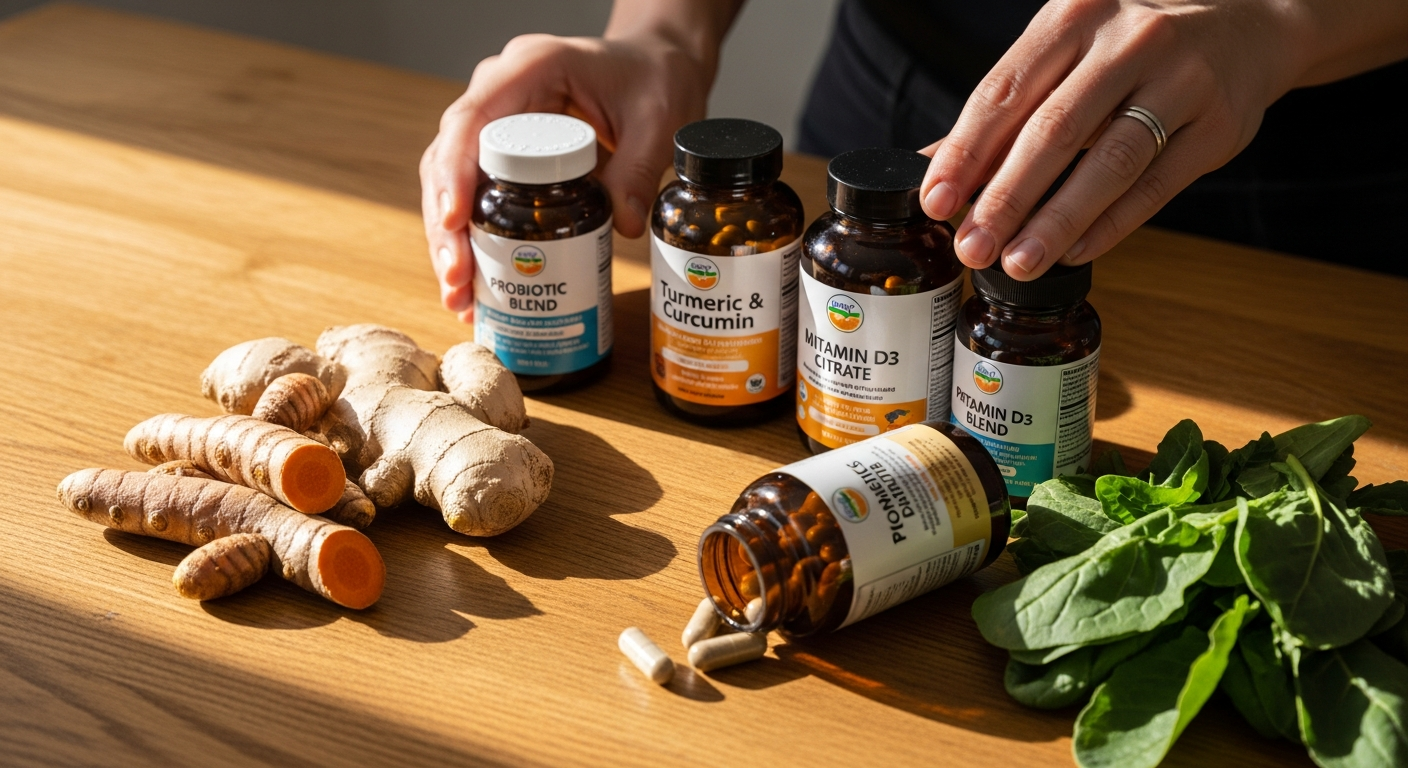
The Curcumin Dose That Actually Moves the Needle on Knee Inflammation
If you’re dealing with chronic knee pain driven by inflammation, curcumin is one of the few natural compounds where the research actually backs up the hype—but only if you’re using enough and absorbing it properly. This is where most people fail: they buy cheap turmeric powder and expect results, then quit after two weeks.
What works
- The research is solid on curcumin’s anti-inflammatory effect, particularly for knee osteoarthritis—multiple studies show it reduces inflammatory markers and joint pain comparable to ibuprofen, without the GI side effects.
- Bioavailability matters: quality supplements include black pepper extract (piperine) to increase absorption by 2000%, meaning your body actually gets to use it instead of passing it through.
- Most people report noticeable reduction in morning stiffness and activity-related pain after 4–6 weeks of consistent use, with cumulative improvement over 3 months.
What doesn’t
- Curcumin is not immediate relief—if you need pain gone by tomorrow, reach for ibuprofen; this is a “take it daily for weeks” play, not a quick fix.
- If your knee pain is structural (cartilage loss, severe malalignment), curcumin may reduce inflammation but won’t fix the mechanical problem—you’ll still need to address movement patterns, strength, or imaging findings.
Supplements work on their own timeline, not yours, so consistency matters more than intensity—but you have to actually use it long enough to know if it’s working. If you’re ready to commit to the 4–6 week trial, curcumin turmeric supplement is worth trying.
Ginger: Beyond the Kitchen Spice
Ginger has a long history in traditional medicine, and modern research has started to validate some of these uses. Like curcumin, ginger contains compounds with anti-inflammatory properties that may help reduce knee pain and swelling. The advantage of ginger is that it’s accessible—you can add fresh ginger to meals, brew it as tea, or take it as a supplement.
Studies suggest that ginger extract may help reduce joint pain and improve mobility in people with osteoarthritis. However, the effect is often more modest than curcumin, and results vary from person to person. Some people experience meaningful relief within 2–3 weeks, while others notice little difference. Ginger also works better when combined with other anti-inflammatory approaches like gentle movement and weight management.
One practical advantage: ginger is generally well-tolerated and doesn’t interact with most medications. If you have an upcoming surgery or take blood thinners, consult your healthcare provider before increasing ginger intake significantly.
Other Natural Compounds Worth Considering
Glucosamine and Chondroitin: These are joint-supporting compounds that appear in cartilage. Research on their effectiveness is mixed—some studies show modest benefits for knee osteoarthritis, while others find no significant difference from placebo. They work slowly (8–12 weeks minimum) and seem to help some people more than others. If you try them, commit to at least 3 months before deciding whether they’re working for you.
Boswellia (Frankincense): This resin extract has been used in Ayurvedic medicine and shows promise in early research for reducing joint inflammation and pain. It may work synergistically with curcumin, and some people report better results when taking them together. It’s less well-known than curcumin, but worth exploring if other remedies haven’t provided relief.
Green Tea Extract: Rich in antioxidants, green tea may help reduce inflammatory markers associated with knee pain. The evidence is encouraging but not as robust as for curcumin. Drinking green tea regularly is a low-risk way to add this to your routine.
How to Use Natural Remedies Effectively
Start with one remedy at a time. If you add curcumin, ginger, and glucosamine all at once, you won’t know which one (if any) is actually helping. Give each remedy at least 4–6 weeks at a consistent dose before evaluating results.
Choose quality supplements. The supplement industry is loosely regulated. Look for brands that list third-party testing on their labels (NSF Certified, USP Verified, or ConsumerLab tested). Cheap supplements often contain fillers and may not have therapeutic doses of active ingredients.
Combine with movement and lifestyle changes. Natural remedies work best alongside other strategies: gentle knee-strengthening exercises, maintaining a healthy weight, avoiding prolonged sitting or standing, and using ice or heat as needed. No supplement replaces good movement habits.
Track your progress. Keep a simple log of your pain levels, morning stiffness, and activity tolerance. This helps you notice gradual improvements that you might otherwise miss, and it gives you data to share with your healthcare provider.
When to See a Professional
Natural remedies can be helpful for mild to moderate knee pain, but they’re not appropriate as a sole treatment for severe pain, sudden onset pain, or significant functional loss. If your knee pain is accompanied by swelling, warmth, inability to bear weight, or pain that doesn’t improve after 2–3 weeks of home care, consult a healthcare provider. You may need imaging, physical therapy, or other interventions that natural remedies alone cannot provide.
It’s also important to discuss any supplements you’re taking with your doctor, especially if you take medications or have underlying health conditions. Natural doesn’t automatically mean safe for your specific situation.
The Bottom Line
Natural remedies for knee pain have varying levels of research support, with curcumin showing the strongest evidence. These approaches work best for mild to moderate inflammatory pain, take weeks to show effects, and work best alongside movement, strength work, and other lifestyle strategies. If you commit to consistent use and give remedies adequate time to work, you may find meaningful relief. However, expect gradual improvement rather than dramatic overnight changes, and know when to seek professional guidance.
About This Article

Written by Michael Torres. Michael Torres has had joint problems his whole life — hypermobile as a kid, chronic sprains and a dislocating shoulder through his twenties, an osteoarthritis diagnosis in his early fifties, and a right knee replacement since. He is not a doctor or a physical therapist and has no clinical training. He writes about what has helped him and what he has watched help the people around him, and says plainly when he has not tried something himself. More about this site.
Scope and limits. Michael has no medical or clinical training — he writes about living with his own joint pain, not about treating anyone else's. Nothing here is medical advice. Talk to a doctor before starting anything new, and get seen promptly for pain that is new, severe, worsening, or comes with swelling, fever, or numbness.
Verify this against a primary source
Specifics change, and your situation may differ from the one described here. These are the authorities worth checking directly:
- NIAMS — arthritis and musculoskeletal research from the NIH
- MedlinePlus — plain-language medical reference from the NIH
- Arthritis Foundation — condition guides and treatment overviews