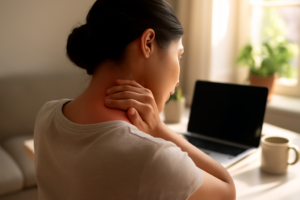
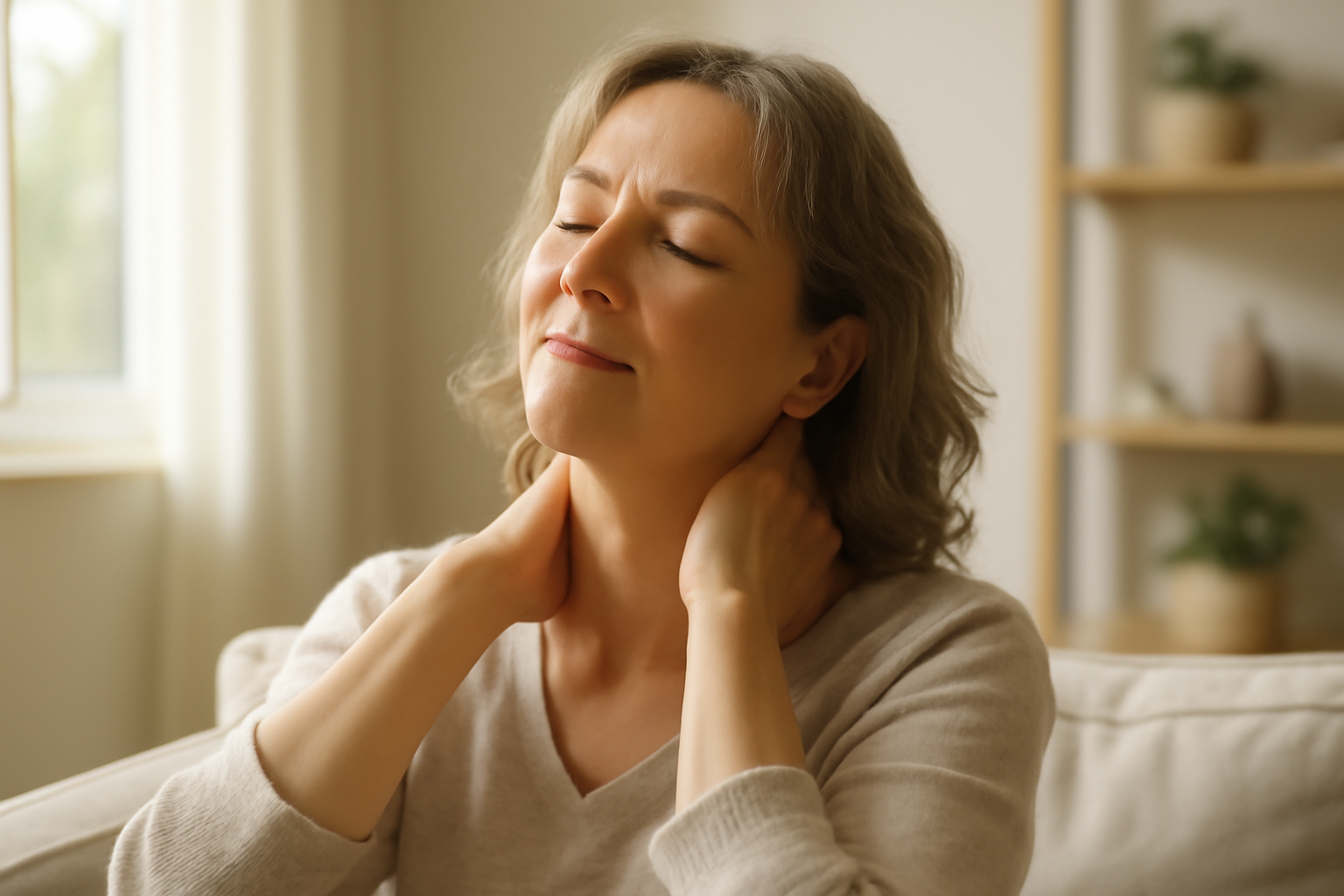

You wake up with that familiar tightness at the base of your skull. By mid-morning, it has crept up into a full-blown headache — and not just any headache. It’s the kind that makes light unbearable and noise feel like a personal attack. If this sounds like your Tuesday, you are far from alone. The connection between neck pain migraines older adults experience is one of the most underappreciated health issues for people over 50, and it deserves a much more honest conversation than it usually gets.
Yes, Migraines Can Start — or Get Worse — After 50
A lot of people assume migraines are a younger person’s problem. They’re not. Research suggests that while migraine frequency often peaks in the 30s and 40s, many adults over 50 experience new-onset migraines or a significant shift in how their migraines present. For some, the classic throbbing pain becomes less prominent while neck stiffness, dizziness, and sensitivity to movement take center stage. That shift can make it genuinely difficult to tell where the neck problem ends and the migraine begins.
Here’s what I find myself explaining to people constantly: the cervical spine — your neck — houses nerves that are intimately connected to the trigeminal nerve system, which plays a major role in migraine pathways. As we age, natural cervical degeneration, reduced disc height, and changes in posture can all irritate those nerve roots. The result is something clinicians sometimes call a cervicogenic headache, which can trigger or overlap with true migraines. They feed each other, and after 50, that cycle often becomes harder to break without the right strategy.
Why Neck Changes After 50 Matter More Than You Think
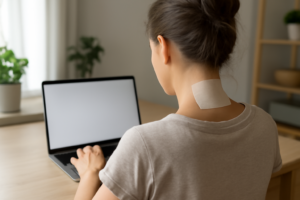
After 50, the cervical spine goes through real structural changes. Cartilage thins, discs lose hydration, and the muscles that stabilize your neck may weaken if you have been sedentary or dealing with other pain that keeps you from moving well. Add in years of screen time, driving, and sleeping on a pillow that doesn’t support your cervical curve, and you have a recipe for chronic tension that radiates straight into your head.
What many people don’t realize is that even small improvements in cervical alignment and muscle tension can have a meaningful impact on headache frequency. I am not promising miracles here — but I have seen people reduce their headache days significantly by simply addressing what was happening in their neck. That means posture habits, sleep setup, targeted stretching, and yes, some well-chosen tools that support the process.
Posture and Daily Habits to Start With
- Keep your screen at eye level — looking down even slightly for hours compresses the cervical joints
- Take a two-minute neck mobility break every 45–60 minutes if you sit at a desk
- Avoid sleeping on your stomach, which forces your neck into prolonged rotation
- Apply gentle heat to the base of your skull before bed to release suboccipital tension
- Stay hydrated — dehydration is a well-known migraine trigger and also affects disc health
What Actually Helps: Products Worth Trying for Neck Pain and Migraines in Older Adults
I want to be upfront — no product replaces a proper evaluation from your doctor or physical therapist, especially if your headaches are new, severe, or changing. But for many people managing ongoing cervicogenic migraines or neck-related head pain, the right supportive tools can make a real difference in day-to-day comfort. Here are five that I think are genuinely worth your attention.
Cold Therapy for Cervicogenic Migraines: Why a Targeted Gel Cap Works Better Than Ibuprofen Alone
When your migraine is rooted in neck tension—which it often is after 50—cooling the base of your skull and upper cervical area can interrupt the pain signal before it becomes a full-blown headache. A quality migraine relief cap with complete gel coverage targets the exact anatomical zones where cervicogenic migraines originate, without relying on another dose of medication.
What works
- Cold therapy has research backing for migraine relief, particularly when applied to the neck and occipital region where tension migraines trigger—it numbs nerve irritation and reduces blood vessel inflammation without systemic side effects.
- All-around gel coverage (not just a thin strip) keeps cold contact consistent across the entire base of skull and neck, which means you’re not fighting with slipping caps or cold spots mid-migraine.
- Most people report noticeable relief within 10–15 minutes of consistent use, and because it’s reusable, it becomes part of your toolkit rather than another pill you have to remember to take.
What doesn’t
- Cold therapy is a symptom manager, not a cure—if your migraines are driven by poor posture, unresolved neck mobility issues, or muscle imbalances, you’ll need to address those separately or the headaches will keep returning.
- Not everyone tolerates prolonged cold well; some people with sensitive skin, Raynaud’s, or migraine triggers that include temperature sensitivity may find this uncomfortable rather than helpful.
This works best as part of a bigger strategy—stretching, posture awareness, and possibly physical therapy—not as a standalone fix for chronic migraines. Migraine Relief Cap with All-Around Gel Coverage
About This Article

Written by Michael Torres. Michael Torres has had joint problems his whole life — hypermobile as a kid, chronic sprains and a dislocating shoulder through his twenties, an osteoarthritis diagnosis in his early fifties, and a right knee replacement since. He is not a doctor or a physical therapist and has no clinical training. He writes about what has helped him and what he has watched help the people around him, and says plainly when he has not tried something himself. More about this site.
Scope and limits. Michael has no medical or clinical training — he writes about living with his own joint pain, not about treating anyone else's. Nothing here is medical advice. Talk to a doctor before starting anything new, and get seen promptly for pain that is new, severe, worsening, or comes with swelling, fever, or numbness.
Verify this against a primary source
Specifics change, and your situation may differ from the one described here. These are the authorities worth checking directly:
- NIAMS — arthritis and musculoskeletal research from the NIH
- MedlinePlus — plain-language medical reference from the NIH
- Arthritis Foundation — condition guides and treatment overviews