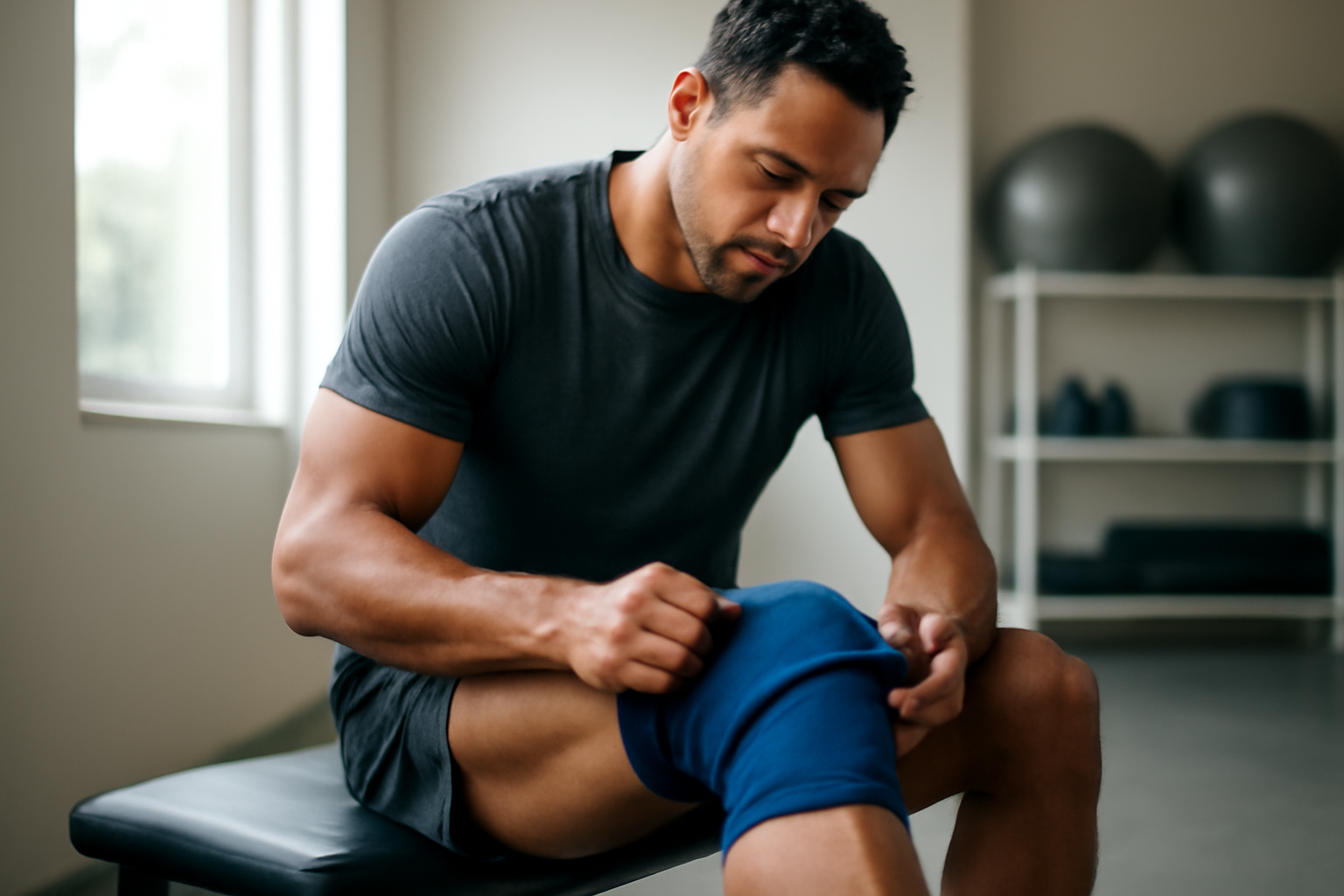

You pushed hard at practice, felt that familiar ache creeping into your knee by evening, and woke up the next morning wondering if you’d ever feel normal again. Sound familiar? If you’ve been there — and most active people have — you already know how frustrating joint pain can be. The good news is that modern joint pain relief methods have come a long way, and there are now more practical, accessible options than ever to help you recover faster and get back to doing what you love.
Why Joint Recovery Takes Longer Than Muscle Recovery
Here’s something I wish more people understood: joints don’t have the same rich blood supply that muscles do. That’s why a sore quad might bounce back in a day or two, but an irritated knee or shoulder can linger for weeks. Cartilage, tendons, and ligaments are relatively avascular — meaning they rely heavily on movement and circulation-boosting strategies to receive the nutrients they need to heal. This isn’t a reason to panic. It’s a reason to be smarter about how you approach recovery.
Research suggests that the combination of targeted stimulation, topical relief, and active rest tends to outperform any single approach on its own. Think of it less like fixing a flat tire and more like tuning an entire engine — every system benefits when you address the problem from multiple angles.
Breakthrough Joint Pain Relief Methods Worth Knowing About
Electrical Stimulation Therapy (TENS)
If you’ve never used a TENS unit, you might be missing one of the most underrated tools in the sports recovery world. TENS — which stands for Transcutaneous Electrical Nerve Stimulation — works by sending low-level electrical pulses through the skin to interfere with pain signals before they reach the brain. Many athletes and physical therapy patients find that regular use helps reduce discomfort and supports muscle relaxation around stressed joints.
What used to require a clinic visit is now available in compact, easy-to-use home devices. I’ve seen a lot of people go from skeptical to converted after just a few sessions. The key is consistency and correct pad placement — something the better units make genuinely simple.
Topical Anti-Inflammatory Treatments
Topical treatments have surged in popularity because they deliver relief directly to the site of discomfort without the systemic side effects associated with oral pain medications. Research suggests that topical diclofenac and botanical ingredients like arnica and MSM may help reduce localized inflammation and support comfort during movement. For people who want to stay active through recovery — not just wait it out on the couch — this is a meaningful distinction.
Active Recovery and Mobility Work
One of the biggest mistakes I see is people going completely sedentary when a joint flares up. Unless you’re dealing with an acute injury that requires immobilization, gentle movement is almost always beneficial. Low-impact activities like swimming, cycling, or targeted mobility drills help pump synovial fluid through the joint, reduce stiffness, and maintain the muscle support that protects joint structures. Pair this with other relief methods and you’ve got a genuinely powerful recovery protocol.
Products Worth Trying for Joint and Muscle Recovery
These are tools I’d feel comfortable recommending to a friend. None of them are magic — but used consistently and correctly, many people find real relief with each of these options.
TENS 7000 Digital TENS Unit
The TENS 7000 Digital TENS Unit is one of the most widely used and trusted units on the market — and for good reason. It comes with multiple accessories, adjustable intensity levels, and a straightforward interface that doesn’t require a manual every time you use it. It’s a solid starting point if you’re new to electrical stimulation for back, shoulder, hip, or knee discomfort.
AUVON Rechargeable TENS Unit
If you want something rechargeable with more mode variety, the AUVON Rechargeable TENS Unit is worth a close look. With 24 modes and eight premium electrode pads included, it gives you a lot of flexibility to experiment and find what works best for your specific area of concern. Many users appreciate the rechargeable design for daily use convenience.
Dual Channel TENS EMS Unit with Large Screen
For those who want a more advanced option with both TENS and EMS (Electrical Muscle Stimulation) capabilities, the Dual Channel TENS EMS Unit delivers 24 modes, 36 intensity levels, and a large easy-to-read screen. The dual-channel design means you can target two areas simultaneously — ideal for athletes dealing with multiple problem spots at once.
Penetrex Daily Joint & Muscle Care Cream
Penetrex Daily Joint & Muscle Care Cream blends arnica, Vitamin B6, and MSM into a lightweight, fast-absorbing formula that many people use as part of their morning and evening joint care routine. It’s non-greasy, lightly scented, and well-suited for everyday use around active joints. Think of it as daily maintenance rather than emergency relief — a distinction that matters for long-term joint health.
Voltaren Arthritis Pain Gel
When you need something with more clinical muscle behind it, Voltaren Arthritis Pain Gel contains diclofenac sodium — the same active ingredient used in prescription-strength topical anti-inflammatories — and is now available without a prescription. Research supports its effectiveness for joint pain associated with arthritis, and many active individuals use it to manage discomfort during flare-ups. Apply it directly to the affected joint for targeted, localized support.
Building a Smarter Recovery Routine
The most effective recovery plans aren’t complicated — they’re consistent. Here’s a simple framework that pulls together everything we’ve covered:
- Morning: Apply a topical cream like Penetrex to stiff or sore joints before movement to support daily mobility.
- Post-activity: Use a TENS unit for 20–30 minutes on affected areas while you rest and hydrate.
- During flare-ups: Reach for Voltaren Gel for targeted anti-inflammatory support alongside your TENS sessions.
- Throughout the week: Incorporate low-impact movement — even a 15-minute walk or gentle stretch session — to keep circulation moving through joint tissue.
- Always: Stay hydrated and get enough sleep — tissue repair slows dramatically when you’re running a deficit on either.
About This Article

Written by Michael Torres. Michael Torres has had joint problems his whole life — hypermobile as a kid, chronic sprains and a dislocating shoulder through his twenties, an osteoarthritis diagnosis in his early fifties, and a right knee replacement since. He is not a doctor or a physical therapist and has no clinical training. He writes about what has helped him and what he has watched help the people around him, and says plainly when he has not tried something himself. More about this site.
Scope and limits. Michael has no medical or clinical training — he writes about living with his own joint pain, not about treating anyone else's. Nothing here is medical advice. Talk to a doctor before starting anything new, and get seen promptly for pain that is new, severe, worsening, or comes with swelling, fever, or numbness.
Verify this against a primary source
Specifics change, and your situation may differ from the one described here. These are the authorities worth checking directly:
- NIAMS — arthritis and musculoskeletal research from the NIH
- MedlinePlus — plain-language medical reference from the NIH
- Arthritis Foundation — condition guides and treatment overviews