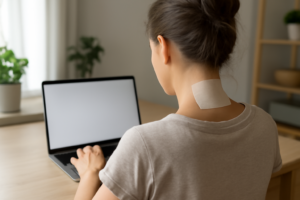


You wake up with a stiff neck, and by mid-morning, a familiar throbbing pressure is building behind your eyes. Sound familiar? If you’ve ever noticed that neck pain and headaches seem to show up together, you’re not imagining things — and you’re definitely not alone. As someone who has navigated chronic pain for most of my life, I can tell you this connection is one of the most underappreciated relationships in joint health. Understanding why your neck and head are so deeply linked could be the key to finally getting some relief.
Why Neck Pain and Headaches So Often Go Hand in Hand
The cervical spine — the seven vertebrae that make up your neck — is one of the most complex and vulnerable regions of your entire body. It houses the top of your spinal cord, a dense network of nerves, and major blood vessels that supply your brain. So it shouldn’t come as a surprise that when something goes wrong in the neck, your head is often the first place you feel it.
The most direct explanation involves a group of nerves called the suboccipital nerves, which originate in the upper cervical spine and travel up into the scalp. When the muscles, joints, or discs in your neck become irritated — whether from poor posture, an old injury, arthritis, or simply sleeping in a bad position — these nerves can become compressed or inflamed. The result? Pain that radiates from the base of your skull, wraps around your head, and sometimes even settles behind your eyes. This is a condition known as cervicogenic headache, and it’s more common than most people realize.
Research also suggests that tight, overworked muscles in the neck and shoulders — particularly the trapezius, levator scapulae, and sternocleidomastoid — can develop trigger points that refer pain directly into the head. If you spend hours hunched over a computer or looking down at your phone, you’ve probably felt this firsthand.
Headaches vs. Migraines: Are They Really Different?
This is a question I get asked constantly, and the short answer is: yes, but the line can blur — especially when neck tension is involved.
A typical tension headache usually presents as a dull, aching, band-like pressure around the head. It’s often related to muscle tightness, stress, dehydration, or postural strain. Most people can push through their day with one, even if it’s unpleasant.
A migraine, on the other hand, is a neurological event. It typically involves moderate to severe throbbing pain — often on one side of the head — along with sensitivity to light and sound, nausea, and sometimes visual disturbances called auras. Migraines can last anywhere from a few hours to several days and can be genuinely debilitating.
Here’s where it gets interesting: many migraine sufferers also report significant neck stiffness and soreness before or during an attack. Some researchers believe neck muscle tension may actually be a trigger for migraines in susceptible individuals, while others suggest the neck pain is part of the migraine process itself. Either way, caring for your cervical spine may play a meaningful role in managing both conditions.
Key Differences at a Glance
- Tension headache: Dull, steady pressure; both sides of the head; often linked to muscle tightness or stress
- Cervicogenic headache: Originates in the neck; often one-sided; worsens with neck movement
- Migraine: Throbbing, often one-sided; may include nausea, light/sound sensitivity, aura; neurological in origin
What Actually Helps: Practical Relief Strategies
The good news is that there are several approaches — many of which you can start today — that many people find helpful for managing neck-related head pain. None of these replace a proper medical evaluation, but they can make a real difference in your day-to-day comfort.
The Cervical Pillow That Actually Addresses Neck Alignment—Not Just Comfort
If your neck pain is fueling those headaches, the pillow you’re sleeping on matters more than most people realize. A pillow that doesn’t support proper cervical alignment keeps your neck in a compromised position for 6-8 hours every night, essentially undoing any progress you make during the day.
What works
- The cooling gel layer addresses the inflammation-related heat that often accompanies neck tension, giving you relief without medication—most users report noticeable difference within the first week of consistent use.
- Proper cervical support actually matters: research shows that pillows maintaining neutral spine alignment reduce morning stiffness and can lower the frequency of tension headaches by interrupting the pain cycle before it starts.
- Unlike memory foam that compresses and loses support, this design holds its shape through the night—you’re not waking up sinking into a crater that re-strains your neck every time you roll over.
What doesn’t
- It’s not a fix for postural issues during waking hours—if you’re slouching at your desk or holding tension in your shoulders all day, a good pillow helps but won’t override eight hours of poor ergonomics.
- The cooling effect diminishes as your body heat equilibrates; this is helpful for falling asleep but won’t keep your neck cool throughout the entire night if inflammation is severe.
A better pillow is foundational, but it takes 2-3 weeks of consistent use before your nervous system fully adjusts and you notice the reduction in morning stiffness and midday headaches. Check out the Ultra Pain Relief Cooling Pillow for Neck Support if neck-driven headaches are your pattern.
About This Article

Written by Michael Torres. Michael Torres has had joint problems his whole life — hypermobile as a kid, chronic sprains and a dislocating shoulder through his twenties, an osteoarthritis diagnosis in his early fifties, and a right knee replacement since. He is not a doctor or a physical therapist and has no clinical training. He writes about what has helped him and what he has watched help the people around him, and says plainly when he has not tried something himself. More about this site.
Scope and limits. Michael has no medical or clinical training — he writes about living with his own joint pain, not about treating anyone else's. Nothing here is medical advice. Talk to a doctor before starting anything new, and get seen promptly for pain that is new, severe, worsening, or comes with swelling, fever, or numbness.
Verify this against a primary source
Specifics change, and your situation may differ from the one described here. These are the authorities worth checking directly:
- NIAMS — arthritis and musculoskeletal research from the NIH
- MedlinePlus — plain-language medical reference from the NIH
- Arthritis Foundation — condition guides and treatment overviews